
Last updated November 4, 2026
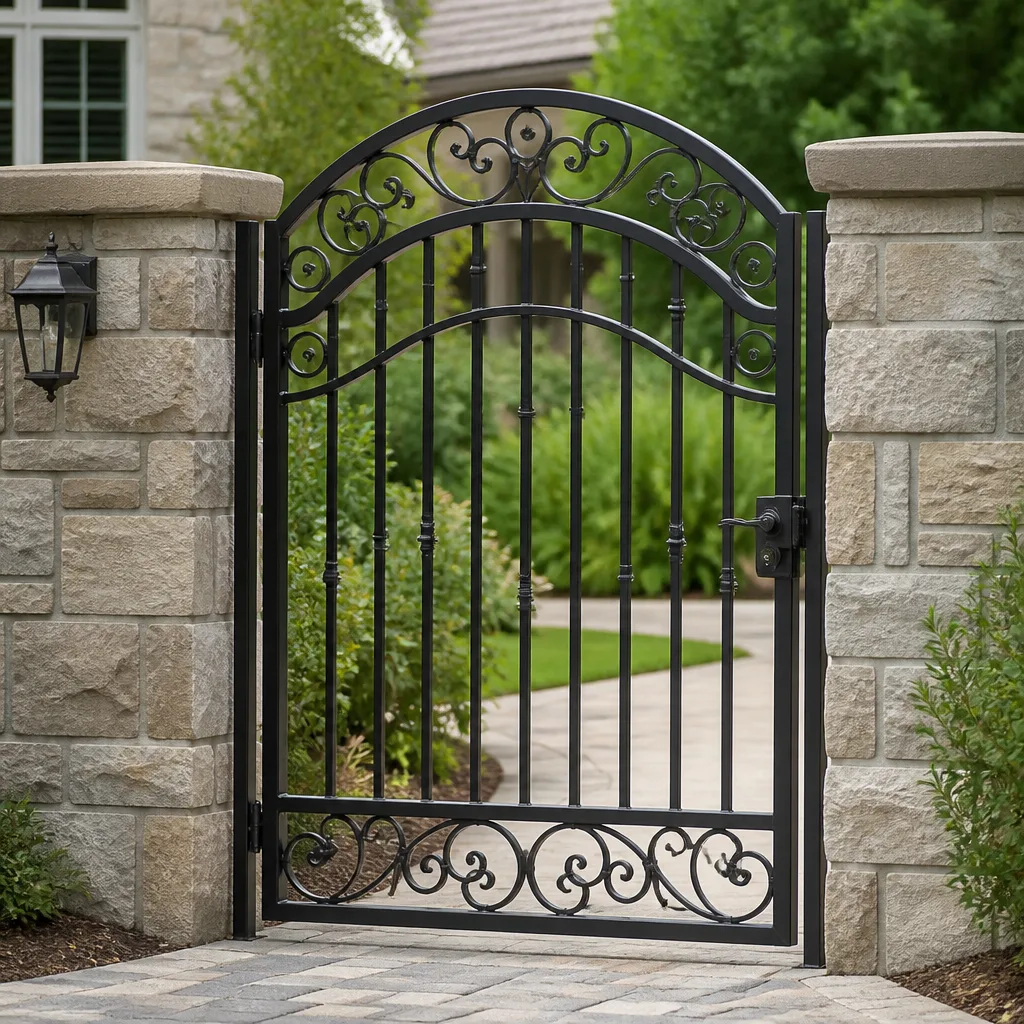 Wrought iron
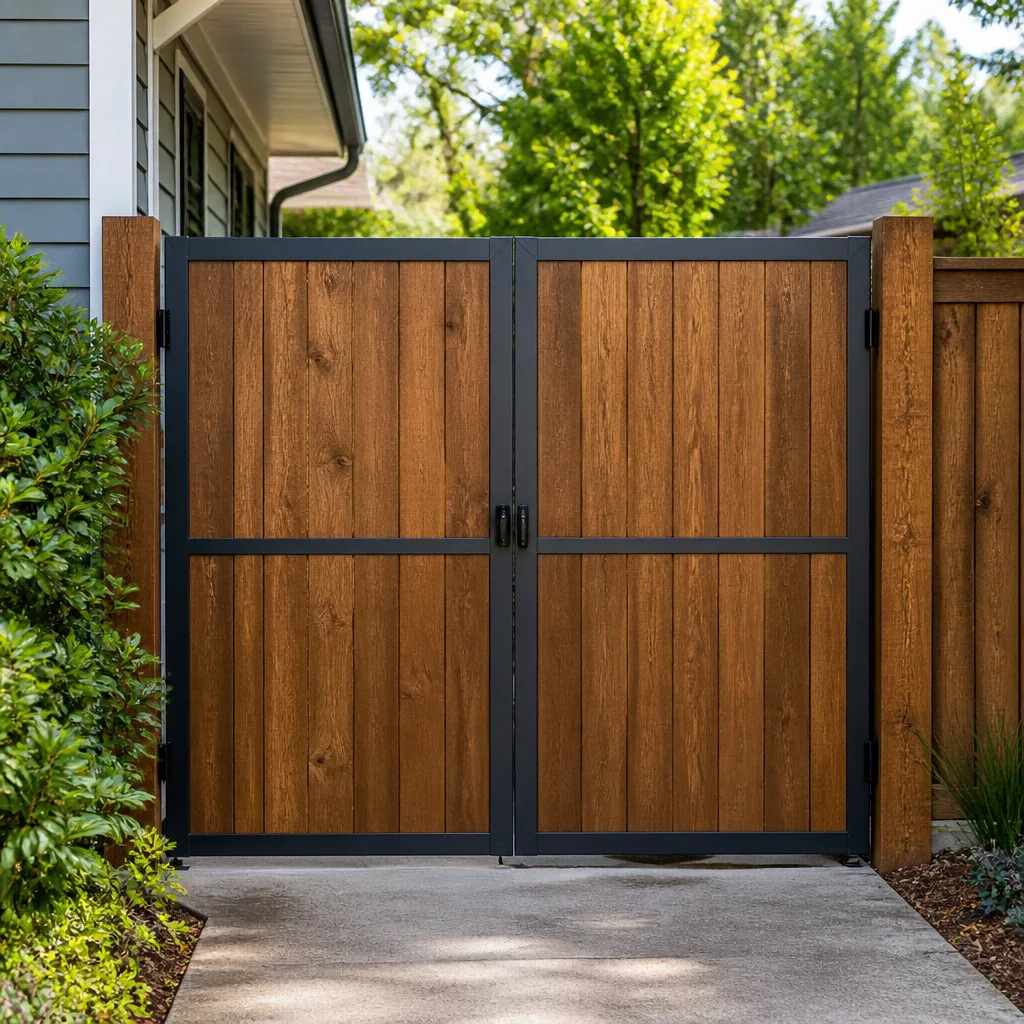 Wood & steel frame
 Farm & ranch
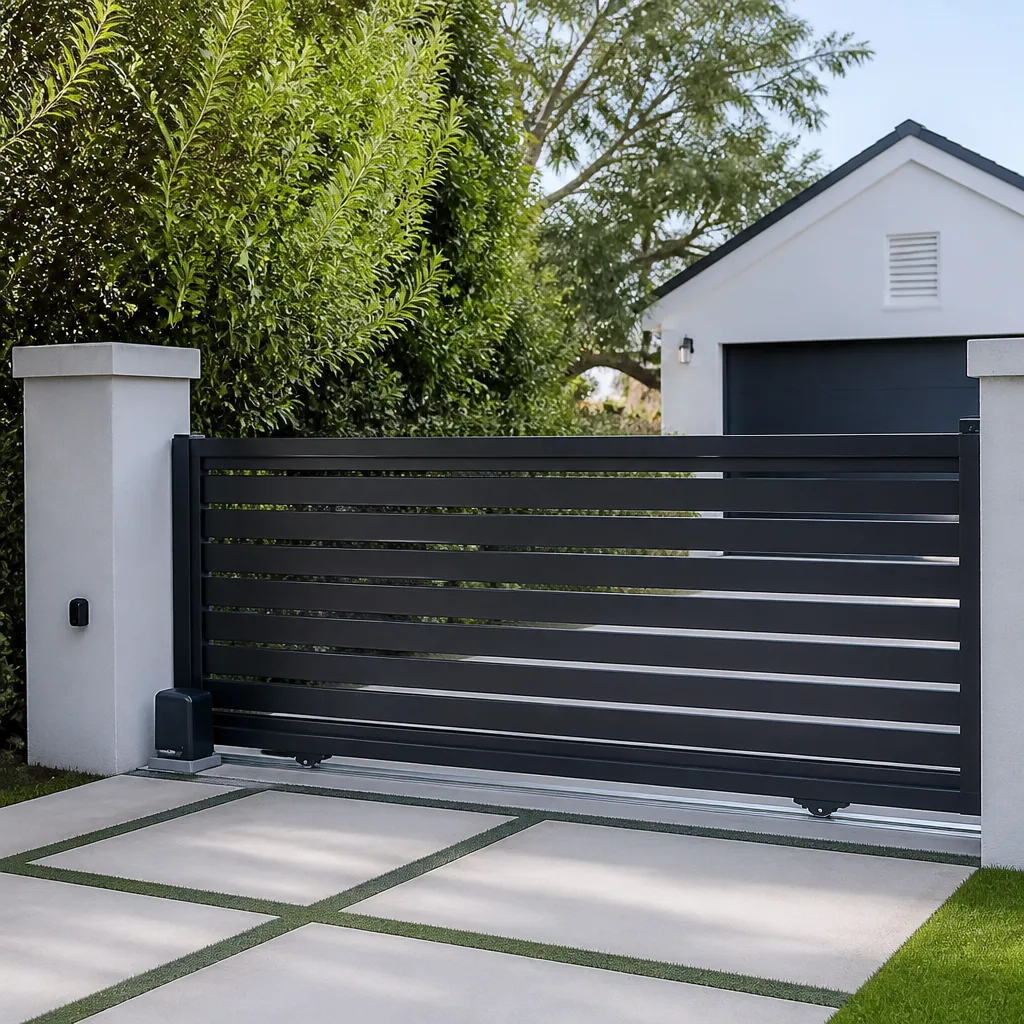 Sliding driveway gates
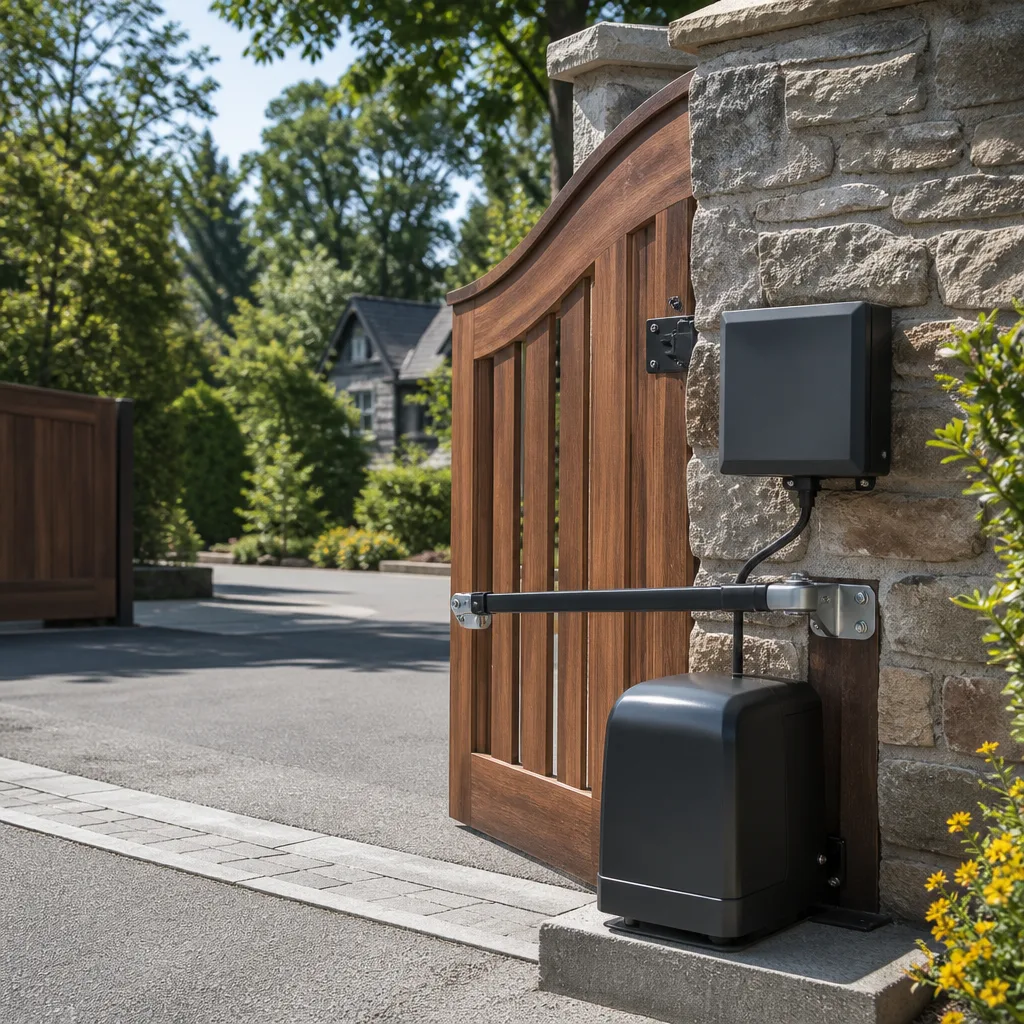 LiftMaster operators
Free on-site gate assessment - hinges, posts, and your LiftMaster or Nice gate operator checked before anything is quoted
The assessment is free and the quote is the invoice.
Get your free estimateChoosing the Right Gate Repair Brand: A Buyer’s Guide for Temecula
Here’s the uncomfortable truth most gate buyers learn in year six: the brand stamped on the operator housing matters far less than the parts-and-service ecosystem behind it. Three brands account for the majority of gate installations across Temecula, but only a couple of them can get a failed control board into your hands the same week you need it. Everything else becomes a waiting game while a distributor in Phoenix or Dallas processes a backorder. This guide evaluates gate brands the way a working technician does: on repairability, parts lead time, and how the equipment holds up under inland Southern California heat and Temecula’s alkaline soil conditions.
Styles & brands we work with
- Wrought iron
- Wood & steel frame
- Farm & ranch
- Sliding driveway gates
- LiftMaster operators
Quick Answer
The best gate brand in Temecula depends on your gate’s use cycle and what can actually be serviced locally. LiftMaster and DoorKing offer the strongest parts availability and technician familiarity in the Temecula Valley market, while FAAC and BFT perform well for higher-cycle commercial and HOA applications. Viking and Linear remain common in residential settings but have narrower local dealer networks, which can extend repair timelines.
Table of Contents
- Why Repairability Beats the Spec Sheet
- How Temecula’s Climate and Soil Affect Gate Equipment
- The Six Brands We Most Often Service in Temecula
- Parts Availability: The Number That Predicts Your Repair Wait
- Proprietary vs. Open-Architecture Control Boards
- Matching Brand to Gate Use Case
- How to Evaluate a Brand’s Local Service Network
- Common Mistakes to Avoid
- When to Call a Professional
- Frequently Asked Questions
- The Bottom Line
Why Repairability Beats the Spec Sheet
Every gate brand publishes a glossy brochure with cycle ratings, horsepower figures, and speed metrics. None of those numbers tell you what happens when the board fails on a Tuesday afternoon in July. We’ve been doing gate repair in Temecula long enough to know that repairability is the single most important factor in total ownership cost. A gate operator that can’t be diagnosed and repaired with reachable parts is a gate operator you’ll eventually replace, not fix.
Repairability comes down to three things: whether the control board uses common components, whether the manufacturer still supports that model line, and whether any local tech can work on it without a proprietary dongle. Some brands design their boards to be field-replaceable in under 20 minutes. Others build them so tightly integrated that a single failed relay means replacing the entire logic assembly, often at a cost that makes a new operator look reasonable.
Here’s how to think about it before you buy:
- Field-replaceable components: Can a technician swap the capacitor, limit switch, or board without sending the unit to a service center?
- Parts interchangeability: Do parts from the current model fit older versions? Some manufacturers orphan their older lines after five years.
- Firmware and compatibility: Does the brand lock out third-party remote controls or safety sensors? That forces you back to the dealer for every small part.
- Documentation quality: Is there a publicly accessible wiring diagram and troubleshooting guide? Technicians fix faster when they can read the schematic.
What we see in the field is this pattern: homeowners and property managers in Temecula who choose a brand based on a YouTube review or a Home Depot price tag end up paying more in year seven than someone who chose a brand with deep local service support. The purchase price is a one-time event. The repair relationship lasts as long as you own the gate.
How Temecula’s Climate and Soil Affect Gate Equipment
Temecula’s inland valley climate produces heat, not freeze-thaw cycles. That changes what fails on a gate. What we see more often than anything else is heat-induced component fatigue: capacitors that drift, solder joints that crack from repeated expansion and contraction, and plastic housings that degrade under sustained UV exposure. A gate operator installed in direct sun near the Temecula Valley’s hotter microclimates can see surface temperatures well above the air temperature, and the internals age faster than they would in, say, a coastal city.
The second local factor is soil. Much of Temecula sits on soils with elevated alkalinity. That affects the gate posts more than the operator itself. Alkaline soil accelerates corrosion on steel posts that were not properly coated or set in concrete with adequate base. Over time, the post at the hinge side shifts, the gate sags, and the operator’s limit switches start reading incorrectly. A well-chosen brand on a badly set post is still a failing gate.
What this means for brand selection is straightforward. Look for operators with:
- UV-resistant housing: Powder-coated or UV-stabilized plastic enclosures hold up better under Temecula’s sun.
- Heat-tolerant duty cycles: Some residential operators overheat and shut down when the ambient temperature climbs past 100°F for consecutive afternoons.
- Corrosion-protected posts and hinges: Gate hardware with proper galvanization and powder coating stands up to alkaline soil contact better than unfinished steel.
- Proper ventilation in the operator housing: Sealed but ventilated enclosures shed heat rather than trapping it.
Hail is uncommon in Temecula, so impact damage is rarely a factor in brand choice. Wind-driven dust, direct sun, and heat cycling are the local conditions that actually shorten equipment life. The right brand choice accounts for those realities up front.
The Six Brands We Most Often Service in Temecula
We’re trained and experienced on nine gate brands, including LiftMaster, FAAC, BFT, Linear, Viking, Ghost Controls, DoorKing, Elite, and Mighty Mule. We work on the system you already have. That said, there are clear patterns in what we see across the Temecula Valley, and a few brands repeat more often in certain settings.
Here’s a plain-language breakdown of the six brands most common to our service area:
LiftMaster
LiftMaster dominates residential automatic gates in Temecula for a reason: parts are everywhere. The brand’s volume means distributors keep inventory in Southern California, and almost any gate technician knows the platform. The control boards are generally accessible, and new units are compatible with a wide range of remote controls. If you want predictable repair timelines, LiftMaster is the safest residential bet. The trade-off is that high-cycle versions cost more, so a low-traffic residential gate can sometimes be over-equipped.
FAAC
FAAC shows up most often in commercial and high-use HOA applications around Temecula. The hydraulic and electromechanical operators handle repeated daily cycles well, but the parts network is thinner than LiftMaster’s. Some FAAC components ship from regional distribution centers rather than local stock, so a repair can add several business days to the timeline. We service FAAC systems regularly. The machine quality is solid. The repair wait is the variable.
BFT
BFT is a strong commercial brand that also covers residential slide and swing gates. Like FAAC, it runs a smaller U.S. dealer footprint than LiftMaster. The operators themselves are reliable, but control board failures and specialty sensor issues can require ordering from outside the region. If you’re considering BFT for a Temecula property, verify with the installer whether your specific model’s most common parts are stocked by a nearby distributor.
Viking
Viking operators are popular for residential and light commercial applications. The brand makes accessible, technician-friendly boards. The challenge we see in Temecula is that Viking’s parts availability has narrowed in recent years. Some older Viking model parts now require special ordering, which extends repair windows. The equipment is serviceable, but the ownership cost curve runs steeper on aging models.
DoorKing
DoorKing overlaps with LiftMaster in the commercial and larger residential space. The brand has a strong installed base in Southern California, including Temecula HOA communities, and its fleet of local dealers means parts tend to be reachable. DoorKing’s control boards support a wide range of access control integrations, which matters for property managers coordinating resident entry systems.
Linear
Linear gates used to be a go-to for residential communities across Riverside County. Many are still in service around Temecula. Linear’s current dealer network is moderate, but parts for older units are getting harder to source. We still repair Linear systems, but as with Viking, the board replacement on a 15-year-old unit can take longer than it would on a newer LiftMaster or DoorKing.
Our recommendation is never a blanket one. We diagnose first, then recommend based on what’s actually in front of us.
Parts Availability: The Number That Predicts Your Repair Wait
The fastest way to understand a gate brand’s long-term cost is to ask one question: how long does it take to get a replacement control board? That single part fails more often than any other component on an automated gate, and its lead time sets the ceiling on your repair wait. A board stocked at a Riverside County distributor means same-week repair. A board shipped from the manufacturer’s regional hub in another state means days, sometimes a week or more, of a non-functional gate.
In our experience, parts lead times across the brands we service in Temecula break down like this:
| Brand | Common Part Lead Time in Temecula | Notes |
|---|---|---|
| LiftMaster | Same day to 3 days | Strongest local distribution; boards and remotes routinely stocked |
| DoorKing | Same day to 4 days | Good Southern California coverage; some commercial parts special order |
| FAAC | 2 to 7 days | Regional distribution; less local stock for specialty boards |
| BFT | 3 to 10 days | Thinner dealer network; many parts ship from outside California |
| Viking | 3 to 14 days | Newer parts moderate; older model parts increasingly backordered |
| Linear | 3 to 14 days | Legacy brands have the longest wait; some parts discontinued |
These are typical ranges, not exact promises. A specific model’s board can arrive faster or slower depending on distributor stock at the moment of failure. But the pattern holds: brands with dense local dealer coverage keep gates running with shorter downtime.
This matters more in year five than in year one. A new gate rarely fails. By year five or six, thermal cycling and component aging start to take their toll. That’s exactly when you’ll discover whether your brand’s parts are a phone call away or a two-week wait.
Proprietary vs. Open-Architecture Control Boards
One of the most overlooked differences between gate brands is whether the control board is proprietary or open-architecture. This single design choice determines who can service the gate, what replacement parts cost, and whether you can integrate third-party remote controls, keypads, or safety sensors later.
A proprietary board does three things: it locks the system to the manufacturer’s own accessories, it often requires brand-specific diagnostic tools, and it limits which technicians can realistically troubleshoot the unit. The upside is tighter integration and sometimes cleaner installation. The downside appears the first time you need a specialized part and the only source is the manufacturer’s dealer network.
An open-architecture board uses standard connections that work with third-party remote controls, safety edges, photo eyes, and keypad manufacturers. More parts interchange, more technicians can work on the system, and replacement parts generally cost less because multiple suppliers compete for the sale.
Here’s the practical difference for a Temecula homeowner or HOA manager:
- Proprietary system: LiftMaster and DoorKing lean proprietary in their access control ecosystems. The boards are excellent and well-supported, but remote controls and some sensors must come from the correct product line.
- Open-architecture system: FAAC and BFT accept a wider range of third-party safety and access components. That flexibility helps on commercial properties with existing card readers or keypad systems.
- Hybrid systems: Linear and Viking fall somewhere between. Many of their boards accept standard inputs for safety edges, but replacement parts for the boards themselves remain brand-specific.
The board architecture also affects long-term maintenance cost. If a proprietary board is discontinued, the entire access system may need replacement rather than a single component swap. When we evaluate a gate for a new customer, board architecture is one of the first things we note because it sets the repair path for the next decade.
Matching Brand to Gate Use Case
Brand choice should follow the gate’s daily duty cycle. A gate that cycles 12 times a day has different equipment needs than one cycling 400 times a day at an HOA entrance in Temecula. Pair the wrong tier of equipment with the wrong use case, and the gate wears out years early. Pair it correctly, and a mid-range brand can outlast a premium brand installed in the wrong application.
Here’s the matching framework we use when evaluating what belongs on a given property:
Low-traffic residential (under 20 cycles per day)
A home on a Temecula cul-de-sac where the gate opens a few times a morning for school runs and a few more for deliveries does not need a commercial operator. Ghost Controls and Mighty Mule make solid entry-level residential operators. LiftMaster’s residential line also fits well here. The gate should prioritize quiet operation and simple access control over heavy-duty cycle life.
High-traffic residential and HOA entry (20 to 100 cycles per day)
HOAs and gated communities across Temecula fall into this band. The gate cycles through commuter traffic morning and evening, plus visitors and deliveries throughout the day. LiftMaster, DoorKing, and Viking operators handle this range well. The key spec to verify is the duty cycle rating: a residential operator pressed into 100 cycles per day will overheat and fail its motor or board years before a properly rated unit.
Commercial and access-control properties (100+ cycles per day)
Commercial properties, apartments, and industrial parking lots need a true commercial operator. FAAC and BFT are strong choices in this range, as are higher-end DoorKing models. These operators carry higher cycle ratings, stronger cooling envelopes, and boards designed for integration with card readers, telephone entry systems, and vehicle detection loops.
The wrong pairing accelerates wear. A residential Viking pressed into HOA duty will burn through its plastic drive gears every few years. A commercial FAAC installed on a low-traffic driveway works fine but is overkill that never pays for itself. The brand matters, but the application matching matters more.
How to Evaluate a Brand’s Local Service Network
Before you purchase a gate, map the brand’s service density in the Temecula and Riverside County market. This is the metric most buyers skip, and it’s the one that predicts your repair wait in year five. A brand with five local authorized dealers supports fast parts and multiple technician options. A brand with one regional rep and no stocked inventory means every repair becomes a shipping delay.
Here’s a step-by-step way to evaluate what a brand’s service network actually looks like in our area:
- Search the manufacturer’s dealer locator. Enter a Temecula ZIP code and count how many authorized dealers appear within a 25-mile radius. Fewer than three is a warning sign for repair timelines.
- Call the closest dealer and ask about parts stock. Ask whether they keep control boards, limit switches, and safety sensors in inventory for the model you’re considering. Their answer tells you more than any brochure.
- Check whether independent shops can source parts. Authorized dealers matter, but so does the open market. If third-party parts suppliers carry the brand, you have flexibility when the dealer is busy.
- Ask about same-week repair history. A dealer who says most repairs are same-week is in a healthy parts position. A dealer who hedges on timelines may be waiting on regional shipments.
- Look at how long the brand has sold in Southern California. Brands with a 20-year installed base in the Temecula region have more legacy parts channels than newer entrants. DoorKing and LiftMaster have deep roots here. Ghost Controls is newer with a smaller footprint.
We service every brand discussed in this guide, so our recommendations come from a repair perspective rather than a sales target. That means when we tell a customer that one brand’s board arrives in two days and another’s takes ten, it’s because we’ve watched both timelines play out on real gates in Temecula.
Common Mistakes to Avoid
- Choosing the cheapest operator on the shelf. A low-cost Ghost Controls or Mighty Mule kit looks fine at purchase. By year four, when the board fails and the replacement costs as much as the original unit, the savings have disappeared. The cheapest brand to buy is often the most expensive to maintain.
- Ignoring the brand’s duty cycle rating. Installing a residential operator on an HOA entry gate shortens the motor and board life by years. Match the cycle rating to the actual use pattern before anything else.
- Buying a brand with no local parts presence. We’ve seen Temecula homeowners wait two weeks for a FAAC or BFT board while distributors restocked. Before you buy, check whether the most common repair parts for your model sit in a Riverside County warehouse or a Dallas one.
- Assuming premium price equals reliability. A high-end commercial operator installed in the right application is reliable. The same brand installed with mismatched accessories or poor wiring is a service call waiting to happen. Installation quality matters as much as brand choice.
- Forgetting about remote control compatibility. Some proprietary brands lock out third-party remotes. If your family already uses Homelink in the car or a favorite clicker brand, verify compatibility before committing.
- Deferring maintenance until the gate stops. Gates in Temecula’s heat benefit from annual inspection of hinges, limit switches, and post stability. A gate that gets maintenance attention tends to give eight to ten years of reliable service. One that gets ignored fails mid-cycle, usually at the worst possible time.
When to Call a Professional
Some gate issues are safe to observe from a distance. Others belong in the hands of a specialist before the next cycle. Call a professional when the gate reverses unexpectedly, makes a grinding or metallic slapping sound, or does not close fully. Those symptoms point to limit switch failure, gear wear, or a structural shift in the gate itself, and forcing continued operation will compound the damage.
Any time the operator’s wiring is exposed, the gate’s power source is acting erratically, or you see a control board that has been wet or overheated, stop using the gate and call a technician. Automated gates run on 110-volt current and carry real electrical risk. The heavy panels also carry enough force to crush. We treat gate safety as a duty, not a suggestion.
Gate Repair Temecula offers free estimates in Temecula. Call (877) 358-4544. We answer 24/7. Fast dispatch from 7am to 7pm, Sunday through Friday.
Frequently Asked Questions
For most single-family homes in Temecula, LiftMaster offers the best combination of reliable equipment, local parts availability, and technician familiarity. DoorKing is a close second, especially for larger driveways or properties with future access control expansion. The right choice depends on your gate’s daily cycle count and whether the installer can confirm local parts stock.
Gate repair costs vary by the specific component and the brand’s parts price, so we provide a written estimate after diagnosing the gate, never a one-size price. The estimate is free and the cost is agreed upon before any work starts. Call (877) 358-4544 for an exact quote.
We’re brand-agnostic and trained on nine major gate brands: LiftMaster, FAAC, BFT, Linear, Viking, Ghost Controls, DoorKing, Elite, and Mighty Mule. We work on the system you already have, repair or replace components across competing manufacturers, and diagnose first rather than pushing the equipment we happen to stock.
Electric gate repair involves low-voltage wiring, control board diagnostics, safety sensor calibration, and motor service. A general fence contractor builds the barrier. The automation layer is a different trade, and that’s why we focus on gates specifically rather than splitting our work across unrelated services.
The typical lifespan we see for a properly maintained operator in Temecula’s climate is eight to ten years. Heat cycling takes a toll on capacitors and solder joints, and UV exposure degrades plastic housings over time. Gates that get annual maintenance tend to hit the upper end of that range. Gates that get ignored fail earlier, usually at the board or motor.
When a gate’s frame and posts are sound, repair is almost always the better financial decision, regardless of brand. When the operator’s board is discontinued, the motor is burned out, and the gate frame has shifted, replacement often costs less than patching a system that will keep failing. We diagnose first and recommend the path that makes sense over a ten-year horizon, not the one that moves inventory today.
The Bottom Line
The best gate brand is the one whose parts arrive fast, whose board can be serviced without special tools, and whose duty cycle matches how you actually use the gate. In Temecula, that points most homeowners toward LiftMaster or DoorKing, with FAAC and BFT holding their own for commercial applications. But the brand is only half the equation. Installation quality, proper post setting in alkaline soil, and access to a specialist who actually works on gate automation matter just as much as the nameplate. Choose the ecosystem, not the logo. Then take care of what you’ve got.
Written by the team at Gate Repair Temecula, serving Temecula since 2016.
See the difference
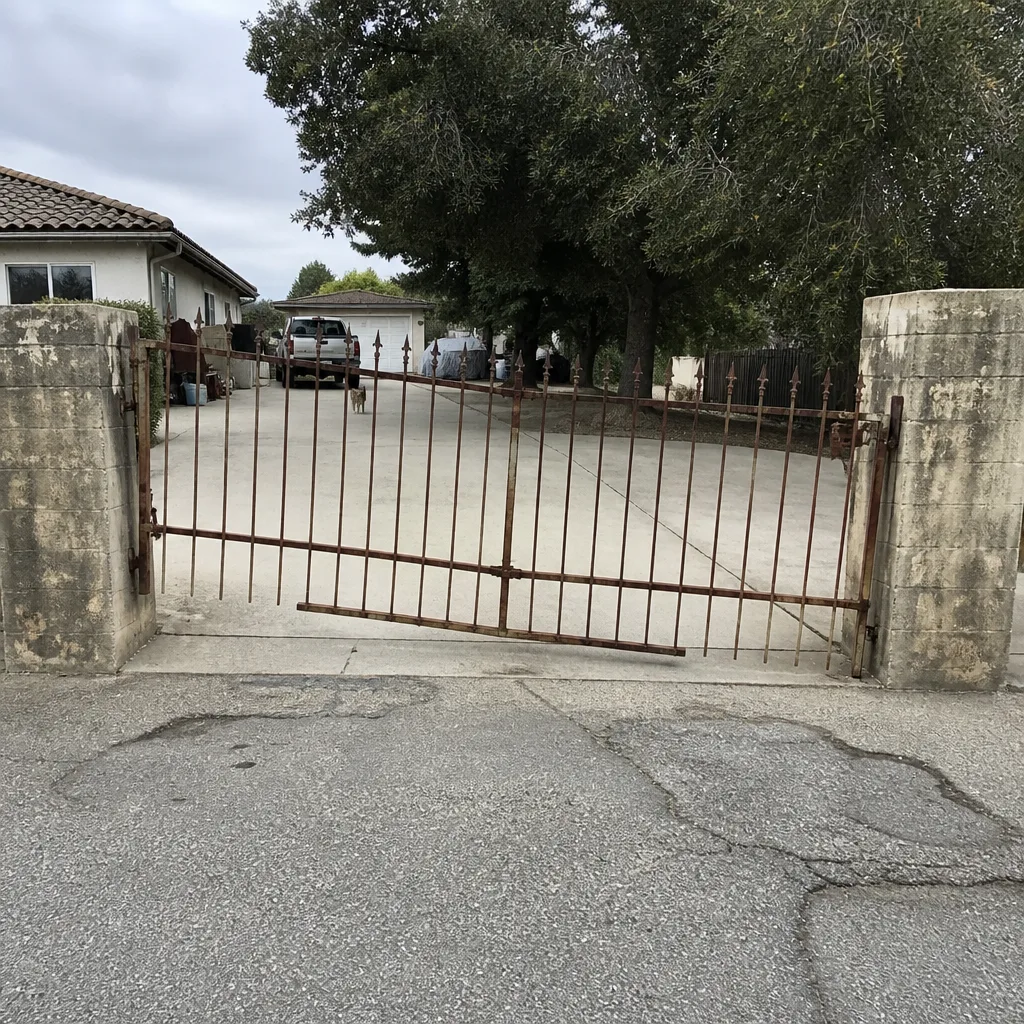 Before
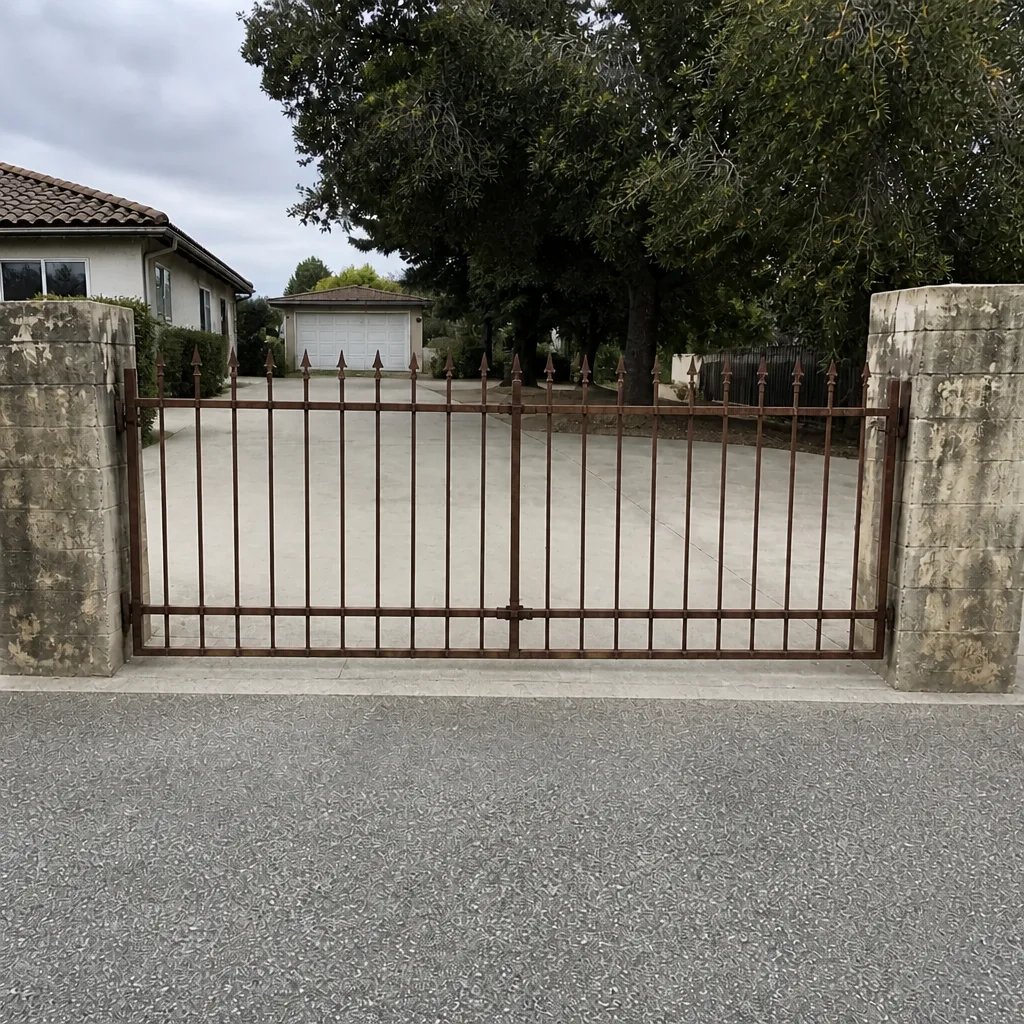 After
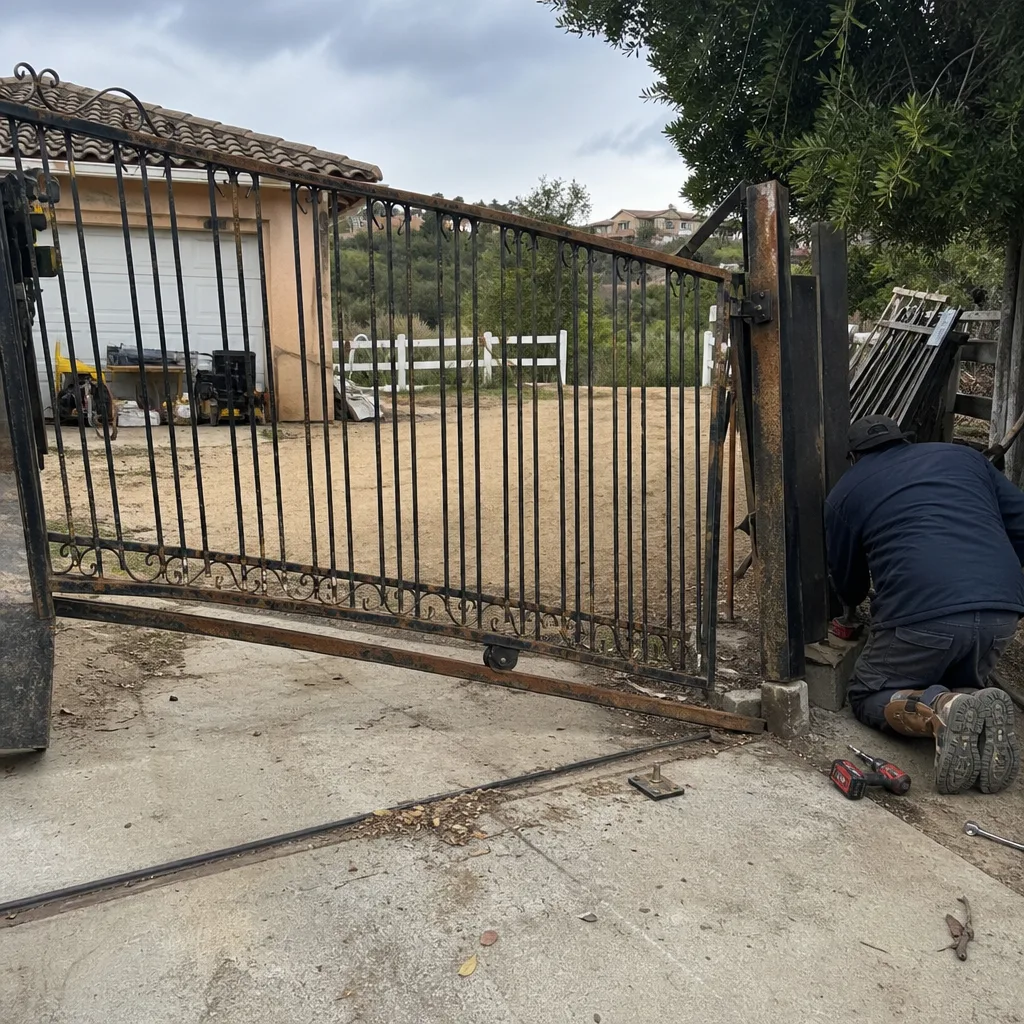 Before
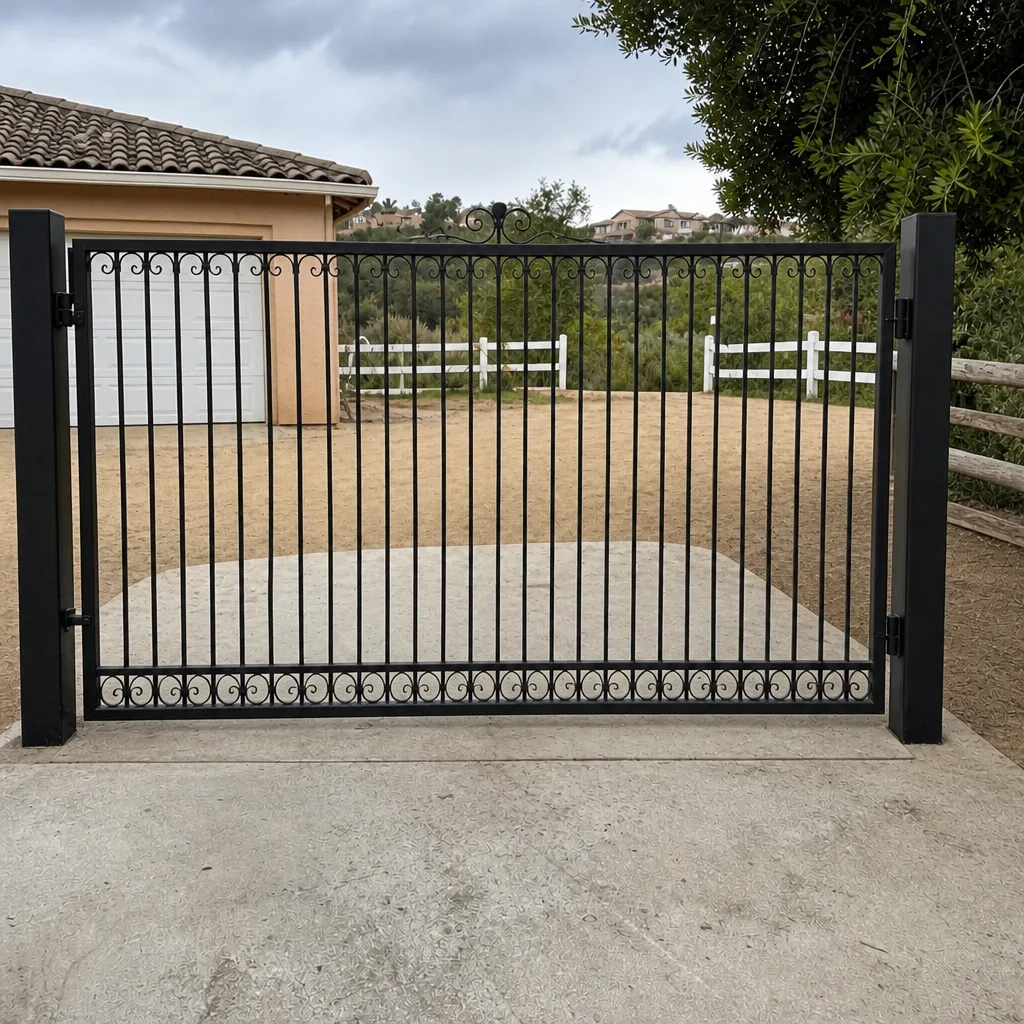 After
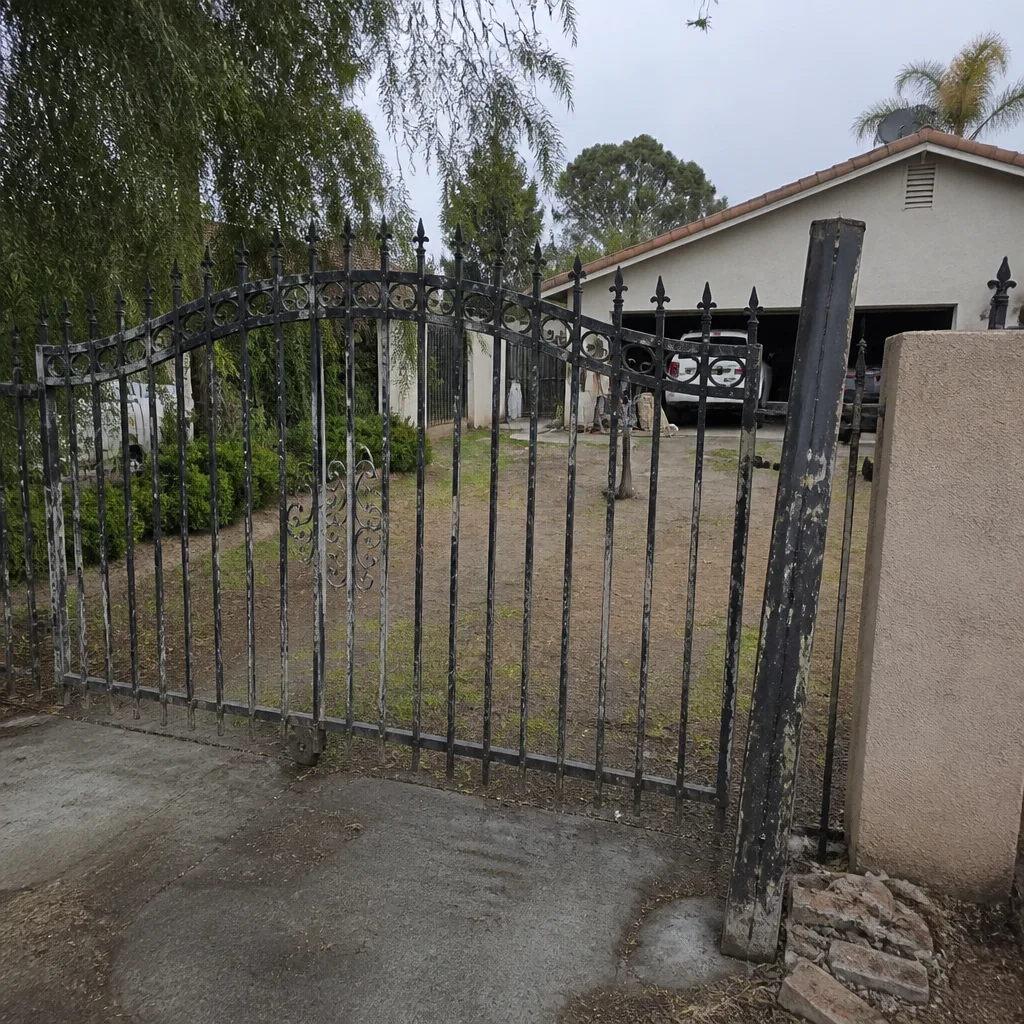 Before
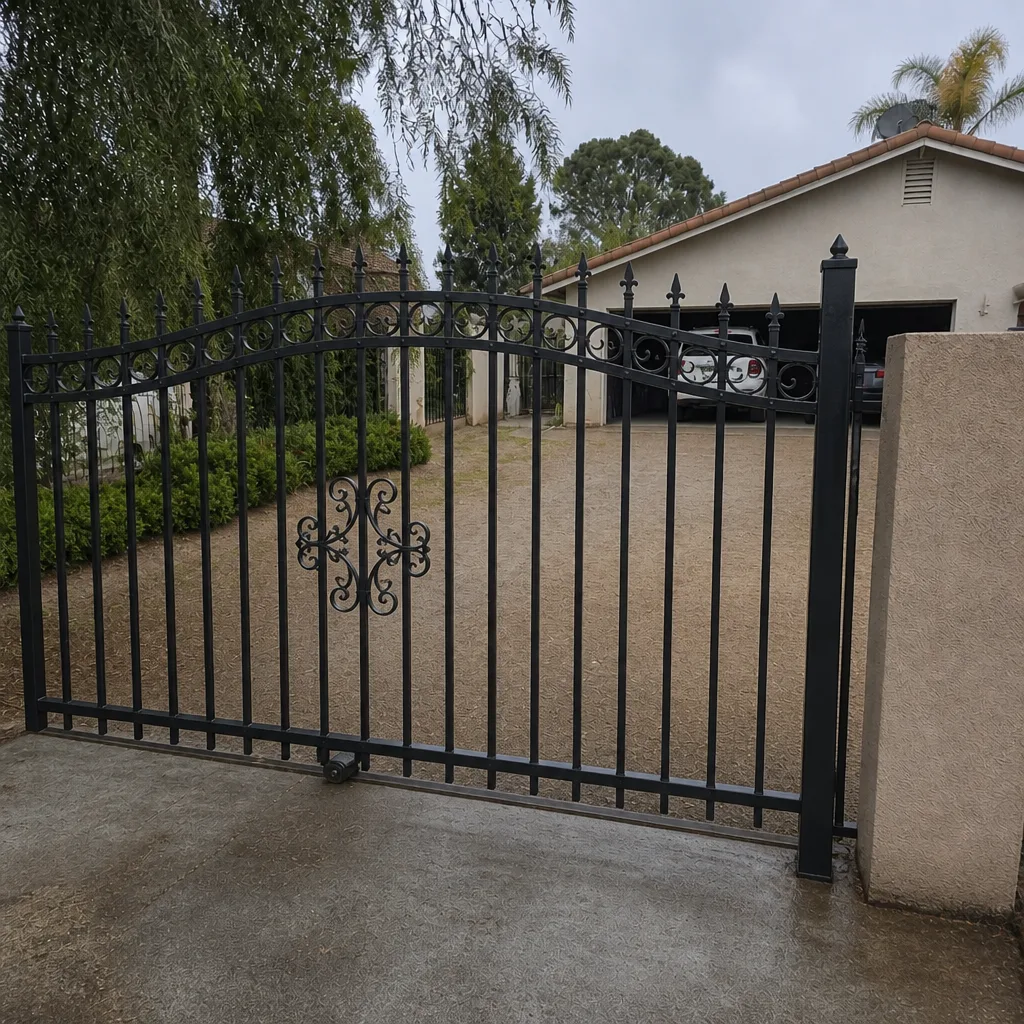 After