
Last updated November 4, 2026
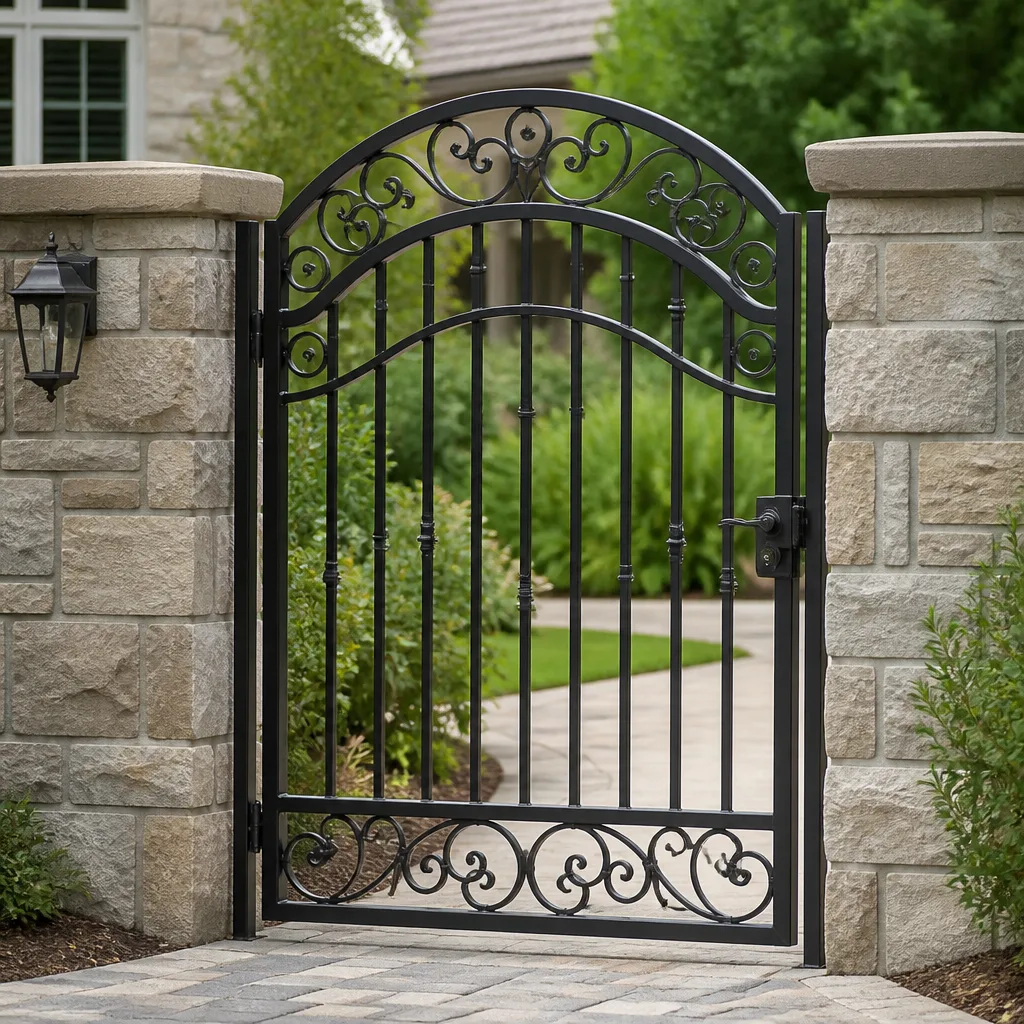 Wrought iron
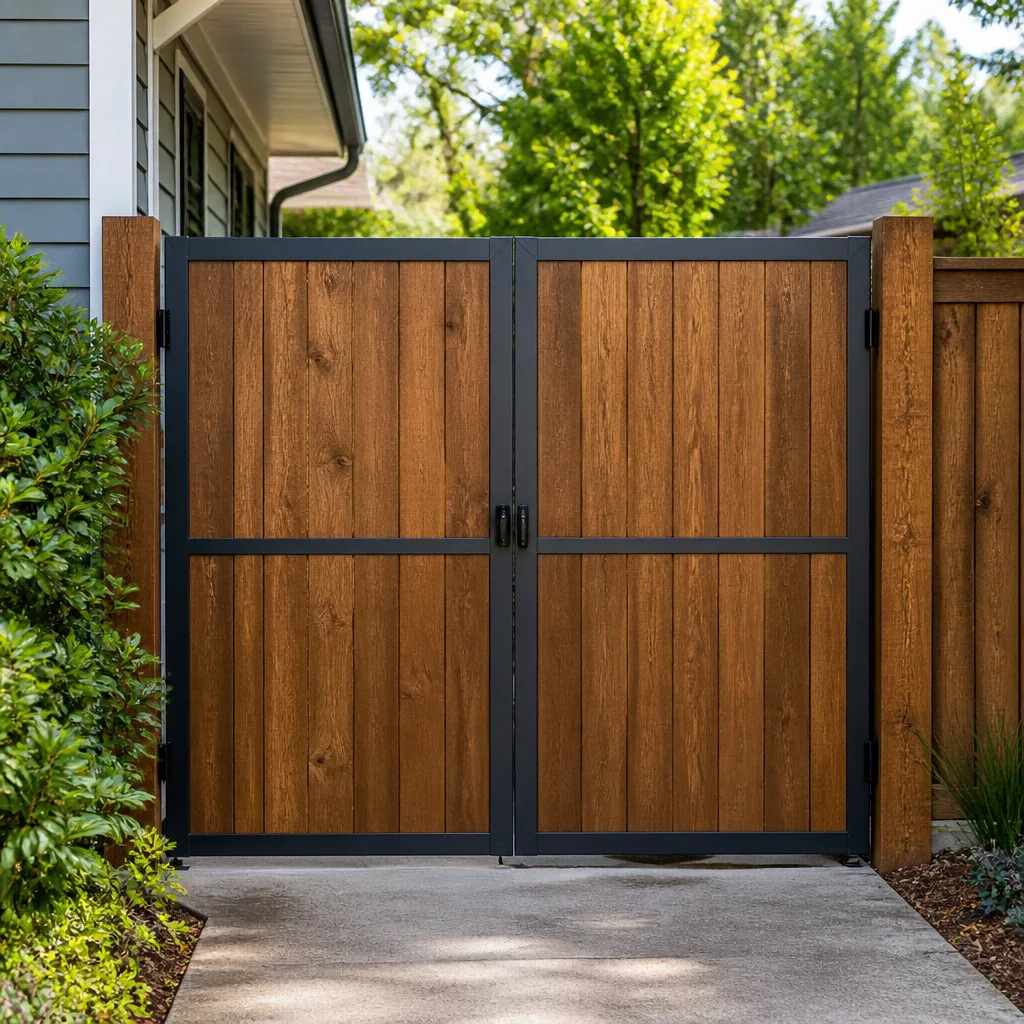 Wood & steel frame
 Farm & ranch
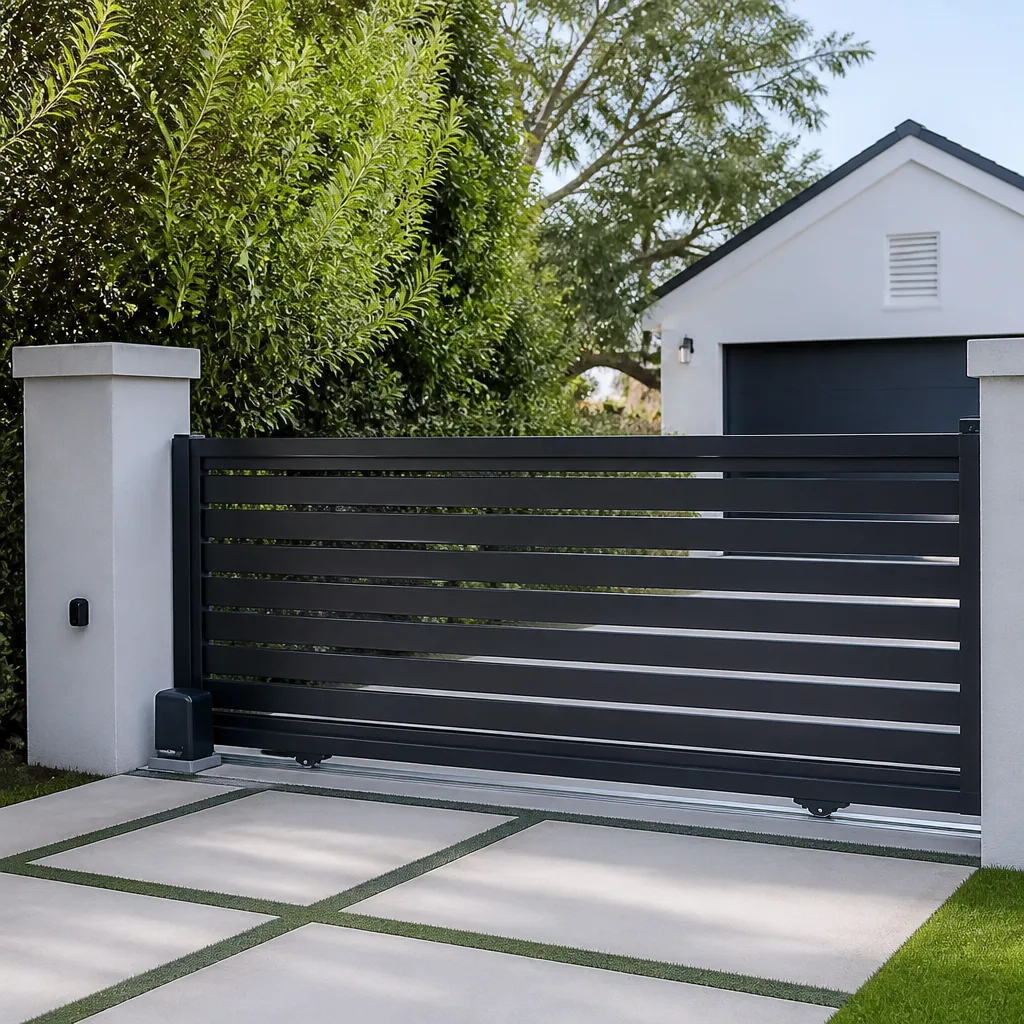 Sliding driveway gates
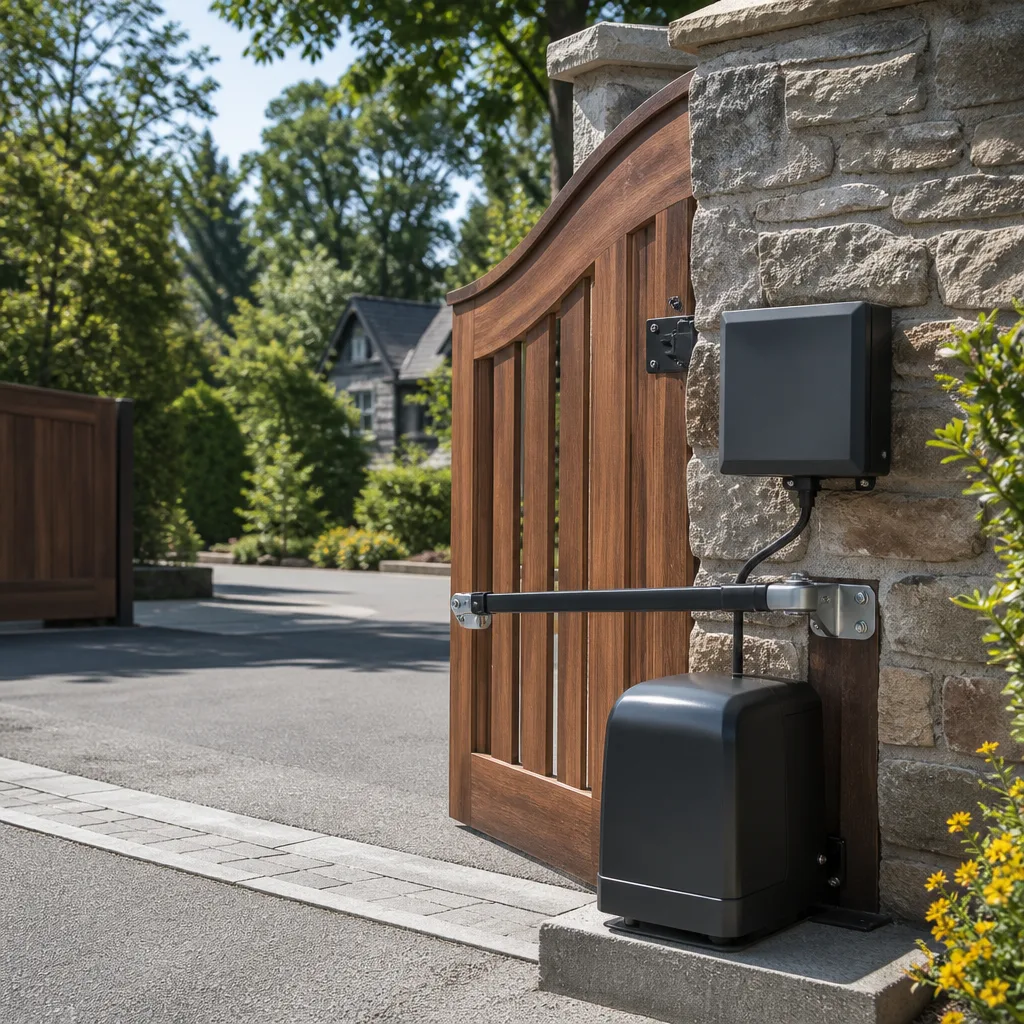 LiftMaster operators
Free on-site gate assessment - hinges, posts, and your LiftMaster or Nice gate operator checked before anything is quoted
The assessment is free and the quote is the invoice.
Get your free estimateThe Complete Guide to Gate Repair in Temecula
The gate that “just stopped working” is rarely the whole story. The visible failure, a dead motor or a bent arm, is usually downstream of something quieter: a corroded ground wire, a miscalibrated limit switch, or a post that has shifted in Temecula’s clay-heavy soil. This guide maps every common gate failure to its actual root cause so you stop paying for the wrong repair. We’re going to walk through the diagnostic logic our technicians use, the brands we see most often in the Temecula valley, and the questions you should ask before anyone orders a part.
Quick Answer
Gate repair in Temecula typically starts with a system-level diagnostic that checks electrical wiring and grounds first, then mechanical components, then the posts and hinges. Most failures trace back to three overlooked culprits: corroded low-voltage connections, limit switches that have drifted out of calibration, and post movement caused by Temecula’s expansive clay soil. Call (877) 358-4544 for a free estimate. We answer 24/7. Fast dispatch from 7am to 7pm.
Styles & brands we work with
- Wrought iron
- Wood & steel frame
- Farm & ranch
- Sliding driveway gates
- LiftMaster operators
Table of Contents
- The Diagnostic Order: Electrical, Then Mechanical, Then Structural
- Why Temecula’s Clay Soil Moves Gate Posts
- Which Gate Brands We See Most in Temecula
- HOA Gate Repairs vs. Homeowner Responsibility in Temecula
- Temecula’s UV Index and Safety Loop Wire
- Repair or Replace: How to Decide
- What a Gate Repair Visit Actually Includes
- Common Mistakes to Avoid
- When to Call a Professional
- Frequently Asked Questions
- The Bottom Line
The Diagnostic Order: Electrical, Then Mechanical, Then Structural
Most gate repair calls in Temecula start with the same sentence: “It just stopped working.” What follows matters more than the symptom itself. We diagnose in a specific order because skipping ahead creates expensive mistakes. Electrical first, mechanical second, structural third. Here’s why that sequence exists and what each stage uncovers.
Stage 1: Electrical and Low-Voltage Systems
Automated gates run on low-voltage DC power, typically 12V or 24V, supplied through a transformer and often a backup battery. The most common electrical culprits we find in Temecula are corroded wire splices, failed transformers, dead backup batteries, and safety loop wires that have degraded underground. A motor that appears dead is frequently getting no power at all. Before we ever touch the operator itself, we check voltage at the board, verify the transformer output, and test the battery under load. A battery can read 13 volts at rest and collapse to 4 volts the moment the motor draws current. That single test catches a large share of “dead gate” calls.
Wiring faults are especially common in Temecula’s older master-planned communities, where original installations from the 1990s and early 2000s used wire nuts and direct-burial splices that were never meant to last two decades in alkaline soil. We open every accessible junction box and check for green corrosion on copper, blackened insulation, and loose wire nuts. If a splice looks questionable, we cut it back and redo it with waterproof connectors.
Stage 2: Mechanical Components
Once we confirm the board is getting clean power and sending signals, we move to the mechanical layer. This includes the operator arm, drive mechanism, gearboxes, rollers, hinges, and the limit switches that tell the gate where to stop. Limit switches drift over time. A gate that slams into its end stop and reverses, or one that stops six inches short and won’t close fully, usually has a limit switch problem, not a motor problem. That’s a $150 to $300 adjustment or switch replacement on most systems, not a $1,500 operator replacement.
Worn rollers and hinges are another mechanical issue that gets misread as an electrical fault. When a gate binds on a rusted hinge, the motor draws more current. The board interprets that current spike as an obstruction and reverses. The homeowner sees the gate start, stop, and reverse, and assumes the motor is failing. The actual fix is replacing the hinge bearing.
Stage 3: Structural and Post Alignment
Only after electrical and mechanical systems check out do we look at the posts themselves. If a post has shifted even half an inch, the gate’s geometry changes. The latch no longer aligns, the roller leaves its track, or the gate binds against the ground. Structural issues are the slowest-moving problems and the most expensive to correct properly, which is exactly why they should be confirmed before any part is ordered. A technician who replaces an operator on a gate with shifted posts has sold you a new motor that will fail the same way the old one did.
Why Temecula’s Clay Soil Moves Gate Posts
Temecula sits on soil with a high clay content. Clay expands when it absorbs water and contracts when it dries. Over the course of a single year, that cycle can move a gate post enough to change how the gate closes. Over five years, it can leave a post visibly out of plumb. This is not a workmanship problem. It’s geology, and it affects gates in Morgan Hill, Harveston, Redhawk, and Wolf Creek the same way it affects gates in Meadowview and Paloma Del Sol.
The practical consequence is that aligning a gate without addressing the underlying post is a temporary fix. If the post has moved because the footing was poured too shallow or the surrounding soil has shifted, adjusting the gate hardware buys you months, not years. The post load on a vehicle gate is enormous: a 16-foot steel gate can weigh 400 to 700 pounds, and every opening cycle applies leverage at the hinge point. A footing that was marginal at installation becomes inadequate as the soil around it cycles through wet winters and dry summers.
What does a proper fix look like? It depends on how far the post has moved. A quarter inch of settlement at the base is often correctable by adjusting the hinge brackets and re-setting the gate’s level. More than that usually requires removing the gate leaf, excavating around the post, and either re-setting it in a deeper footing or replacing the post outright. In Temecula, we recommend footings of at least 24 inches for a pedestrian gate post and 36 to 48 inches for a vehicular gate depending on the soil condition and the gate’s weight. Your city’s building department can tell you what the current code requires for your specific installation.
The important takeaway: if your gate has begun dragging on the ground or the latch is suddenly misaligned after heavy rain, you’re likely seeing soil movement, not a gate failure. Call before you adjust anything, because the wrong adjustment can bind the gate harder and strain the operator.
Which Gate Brands We See Most in Temecula
Temecula’s gate landscape is a mix of developer-installed systems from the housing boom years and newer equipment chosen by homeowners. The brands we service most often in the valley are LiftMaster, FAAC, and Viking. Each has its own failure patterns, and knowing which brand you have tells us a lot before we even arrive.
LiftMaster
LiftMaster is common on residential driveway gates throughout Temecula, particularly in neighborhoods built from the early 2000s forward. We see a lot of failed control boards on older LiftMaster units, often preceded by intermittent reversing or the gate refusing to respond to the remote. Backup batteries in these systems also expire every three to five years and are frequently the entire problem. The operators themselves are generally solid; the electronics tend to fail before the mechanicals.
FAAC
FAAC is more common on commercial and HOA entrance gates in Temecula, though we see it on residential installations too. FAAC hydraulic operators are robust but sensitive to low hydraulic fluid and to limit switch calibration. When a FAAC gate stops mid-travel or creeps after closing, the fix is usually fluid, a seal, or a recalibration. These are not DIY repairs, and we see more homeowner-inflicted damage on FAAC systems than any other brand because well-meaning owners tighten valves they shouldn’t touch.
Viking
Viking systems appear on many Temecula HOA entrances and larger residential gates. The most common Viking service call in our area is a gate that opens but won’t close, or closes but won’t fully latch. That’s often a loop detector issue or a safety edge that has failed. Viking operators are workhorses, but their external components weather in our sun. Safety edges dry out and crack, and loop wire insulation breaks down faster than expected.
The point here isn’t that one brand is better than another. It’s that each system fails differently, and a technician who only knows one brand is guessing on the other two. We work on the system you already have, LiftMaster, FAAC, Viking, and more. The recommendation should always follow from your existing equipment, not from what a contractor happens to stock. We’re also experienced with Ghost Controls, DoorKing, Elite, and Mighty Mule, which covers everything from budget DIY systems to commercial-grade operators.
HOA Gate Repairs vs. Homeowner Responsibility in Temecula
Temecula has a large concentration of master-planned communities with gated entrances, and the repair obligations vary by community. This is one of the most common questions we get from both homeowners and property managers, and the answer depends entirely on where the gate sits and who owns the equipment.
For most Temecula HOAs, the entrance gate at the community boundary is an HOA asset. The association is responsible for its repair, and that work is typically coordinated through the management company. Homeowners inside the community generally do not own or pay directly for those repairs. If your community entrance gate is malfunctioning, your first call is to the HOA or property manager, not to a gate contractor.
For individual driveway gates within a community, the situation flips. Most Temecula neighborhoods with private driveway gates treat them as the homeowner’s property, even if the community has architectural guidelines about what the gate can look like. You own the operator, the gate leaf, the posts, and the wiring on your side of the property line. You’re responsible for the repair.
The gray area is the shared side. A gate on a property line may fall under the HOA’s control if it serves a shared access point. Before any repair on that kind of gate, we recommend reviewing your CC&Rs. We’re happy to provide a diagnostic that clarifies what’s wrong, but the ownership question is a legal one that only your HOA documents can settle.
When an HOA calls us for a Temecula entrance gate, we treat it as a commercial repair: we quote a written estimate, get approval, and complete the work around the community’s traffic patterns. We answer 24/7 and provide fast dispatch from 7am to 7pm for HOA entrance gates that are stuck open or closed, because those gates affect every resident, not just one homeowner.
Temecula’s UV Index and Safety Loop Wire
Temecula’s high UV index is great for growing wine grapes and terrible for plastic insulation. The safety loop wire that detects vehicles at your gate is buried underground, but the sections that emerge at the loop detector, the operator, and the connection points are exposed to direct sun. Over time, the insulation on those exposed sections breaks down. What starts as a minor crack in the jacket allows moisture into the wire, which corrodes the copper inside. The loop stops detecting vehicles, and your gate won’t open when a car pulls up.
This is a slower failure mode than a broken hinge or a dead battery, and it’s one of the reasons we recommend a loop wire inspection at least every two years in Temecula. The inspection is straightforward: we expose the loop lead sections, check for cracked or chalky insulation, clean the connections, and re-seal them. If the wire insulation is compromised, we replace the lead or the loop depending on where the damage sits. Catching this early prevents the scenario where your gate fails to open for an emergency vehicle, a delivery truck, or you on a hot July afternoon.
UV exposure also affects plastic housings, rubber safety edges, and the polycarbonate covers on some operators. We’ve seen covers that crumble when touched after enough years in direct Temecula sun. That’s not a manufacturer defect. It’s a material limit, and it means the parts around your operator may need replacement before the operator itself does.
Repair or Replace: How to Decide
Every gate repair call in Temecula eventually arrives at the same question: fix it or replace it. Our answer is never automatic. We diagnose first and recommend second, which is the only honest way to answer this. Here’s the decision framework we use, and you can apply it yourself.
- Is the failure electrical, mechanical, or structural? Electrical and mechanical repairs on most systems cost $200 to $900 depending on the component. Structural work, especially a post replacement, runs higher. Knowing the category tells you the rough scale.
- How old is the operator? Gate operators in Temecula typically last 8 to 15 years depending on brand, exposure, and usage. If the operator is under 8 years old and the board or motor has failed, repair is usually the better math. If it’s 12 or more years old and multiple components are failing, replacement may cost less in the long run.
- Is the board still available? Some older operator boards are no longer manufactured. If your failed control board can’t be sourced new, replacing the entire operator is often the only practical path, even if the motor still works.
- Does the gate still meet your needs? If your current gate is the right weight, size, and style for your property, repair keeps things simple. If you’ve been planning a different gate anyway, your repair budget may be better applied toward replacement.
- What does the written estimate say? We give you a line-item estimate before any work starts. The numbers make the decision concrete. No invoice bigger than the quote, ever. The price is set by the written estimate, and the estimate is free.
For HOA and commercial gates in Temecula, the math also includes downtime. A gated community entrance that’s out of service for a week creates more problems than a residential driveway gate off for the same period. We factor that into our recommendation and can often complete most repairs the same day the parts are available.
What a Gate Repair Visit Actually Includes
When you call Gate Repair Temecula, here’s what happens, step by step, so there are no surprises.
- Call and describe the symptom. You get a real person. We answer 24/7. The more specific you can be about what the gate does or doesn’t do, the better prepared our technician arrives.
- We arrive and verify power. Before touching anything else, we check the outlet, transformer, and battery. Many “dead” gates are simply unplugged, on a tripped GFCI, or running on a battery that has expired.
- We trace the wiring. We open junction boxes and inspect splices for corrosion, loose connections, and damaged insulation. This step catches the problems that look like motor failures but aren’t.
- We test the operator. We manually release the gate and open it by hand to check for mechanical binding. Then we run the operator through a cycle and watch what happens. We check limit switches, force settings, and safety edges.
- We check the structure. We look for post movement, worn hinges, sagging gate leaves, and misalignment between the gate and the operator.
- We give you a written estimate. Before any work proceeds, you see exactly what we recommend, what it costs, and why each item is on the list. The price is quoted and agreed before work starts. No surprise invoices.
- We complete the repair. Most repairs are finished the same visit if parts are available on the truck or locally. For unusual parts, we order and return to install.
- We test the full cycle. We run the gate through multiple open and close cycles, verify the auto-reverse and safety edges, and watch the loop detector do its job before we declare the gate fixed.
One call covers repair, replacement, and new installation. You don’t need separate contractors for the gate leaf, the operator, and the wiring. Gates are all we do, so every job gets a gate specialist, not a generalist splitting time across unrelated trades.
See the difference
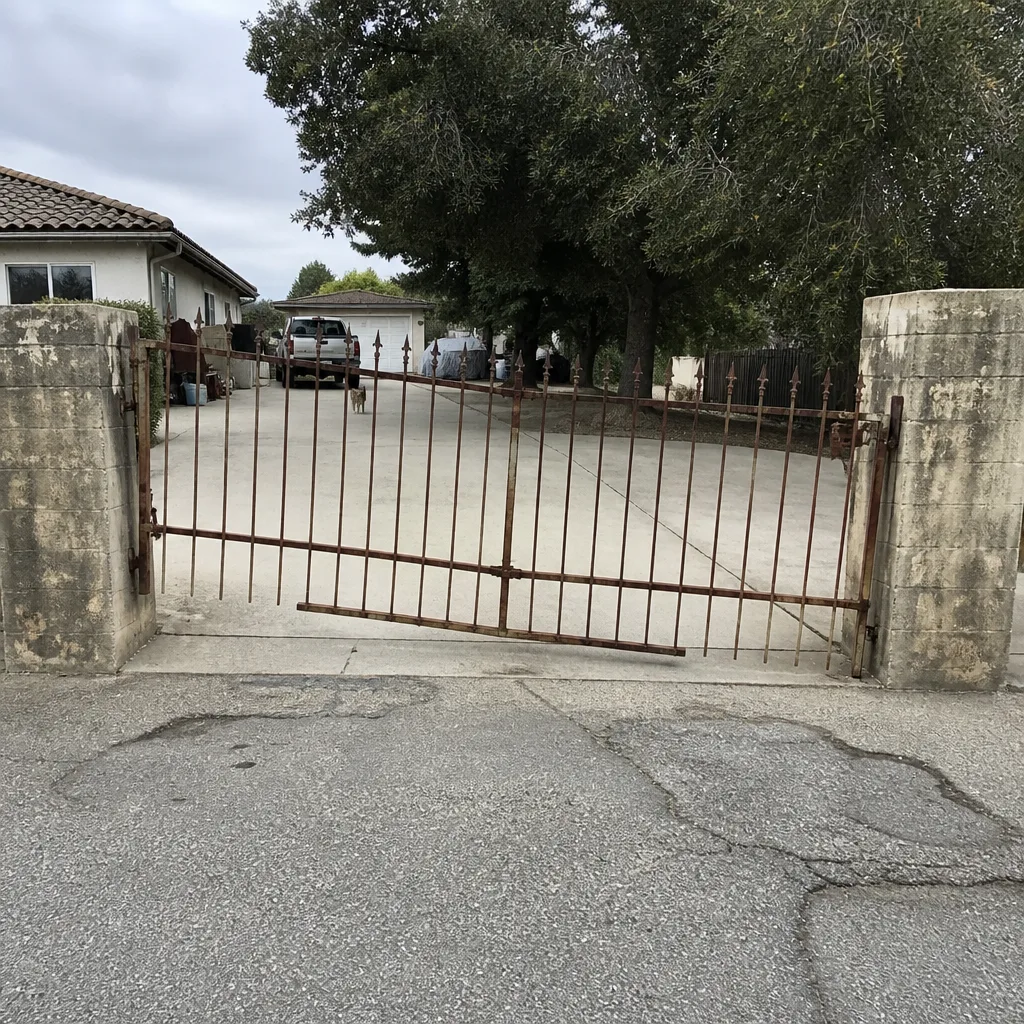 Before
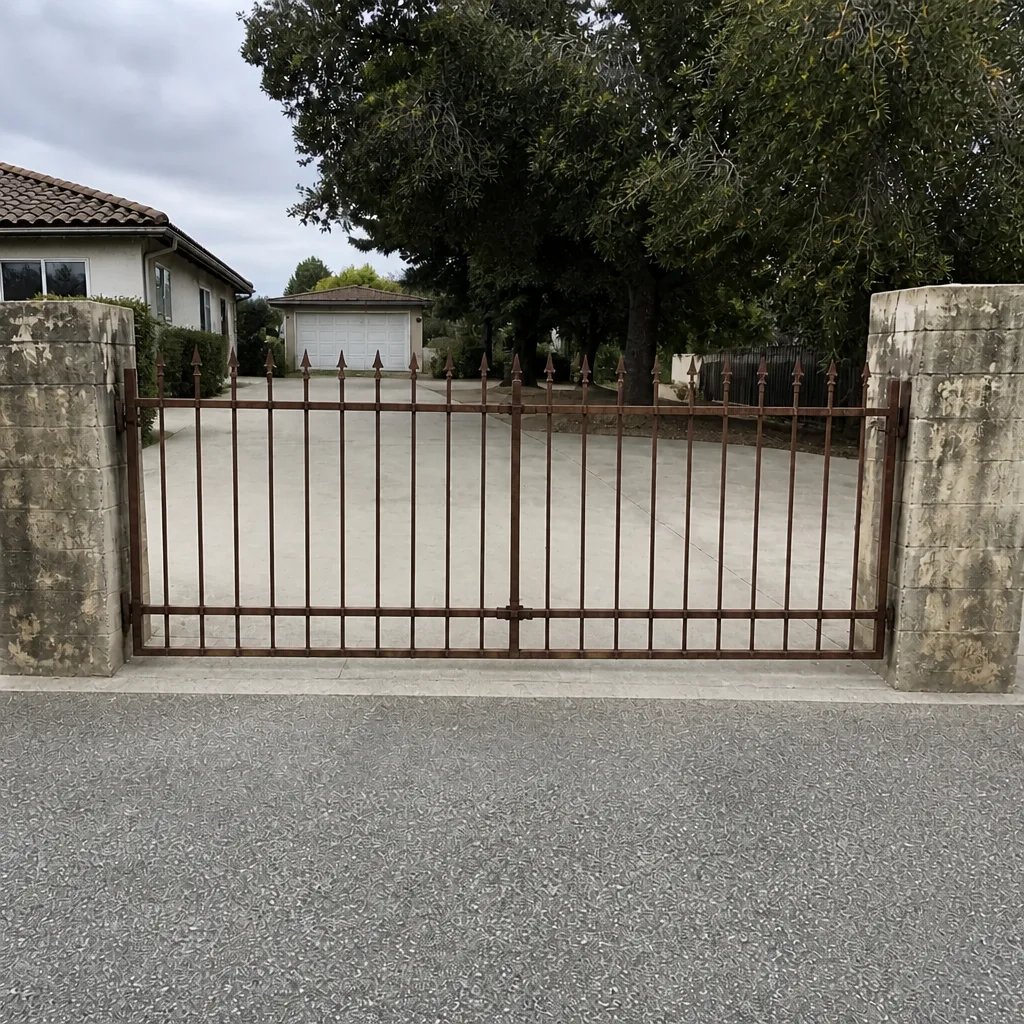 After
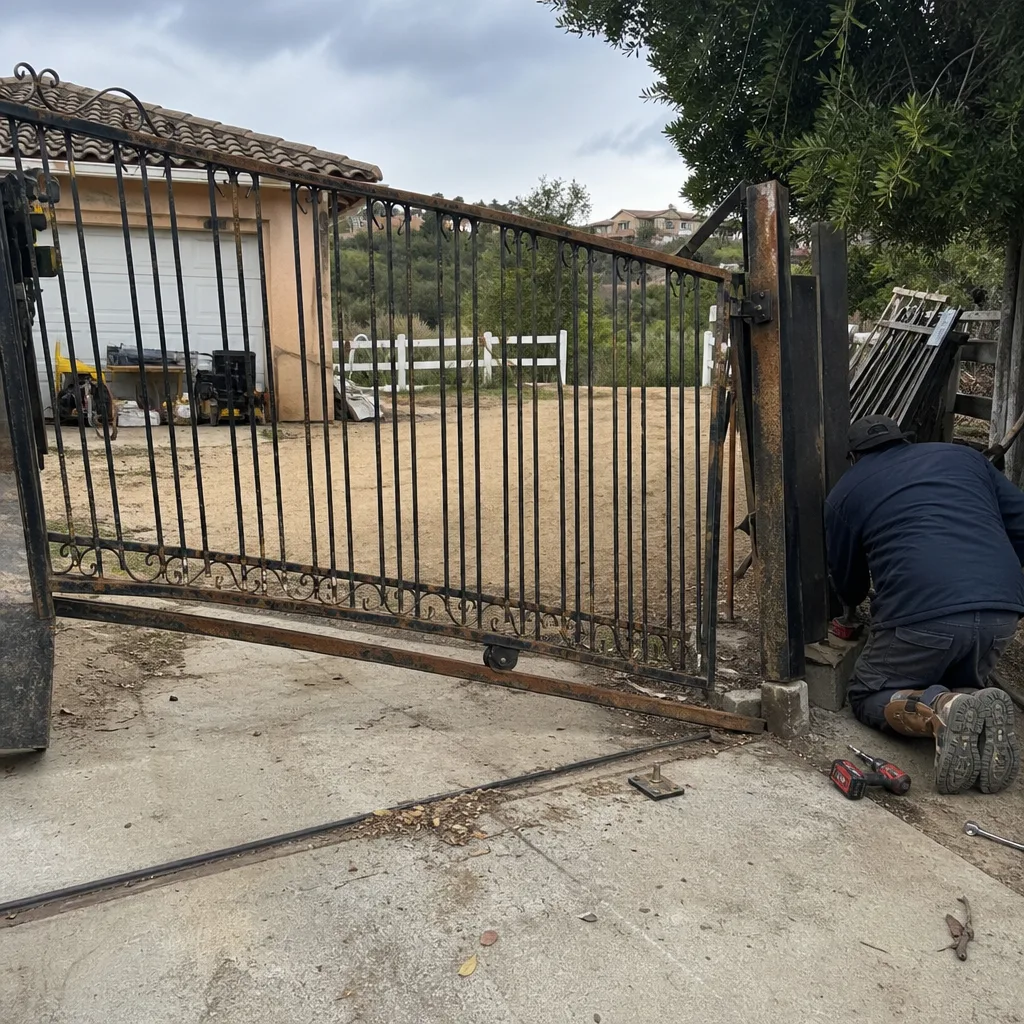 Before
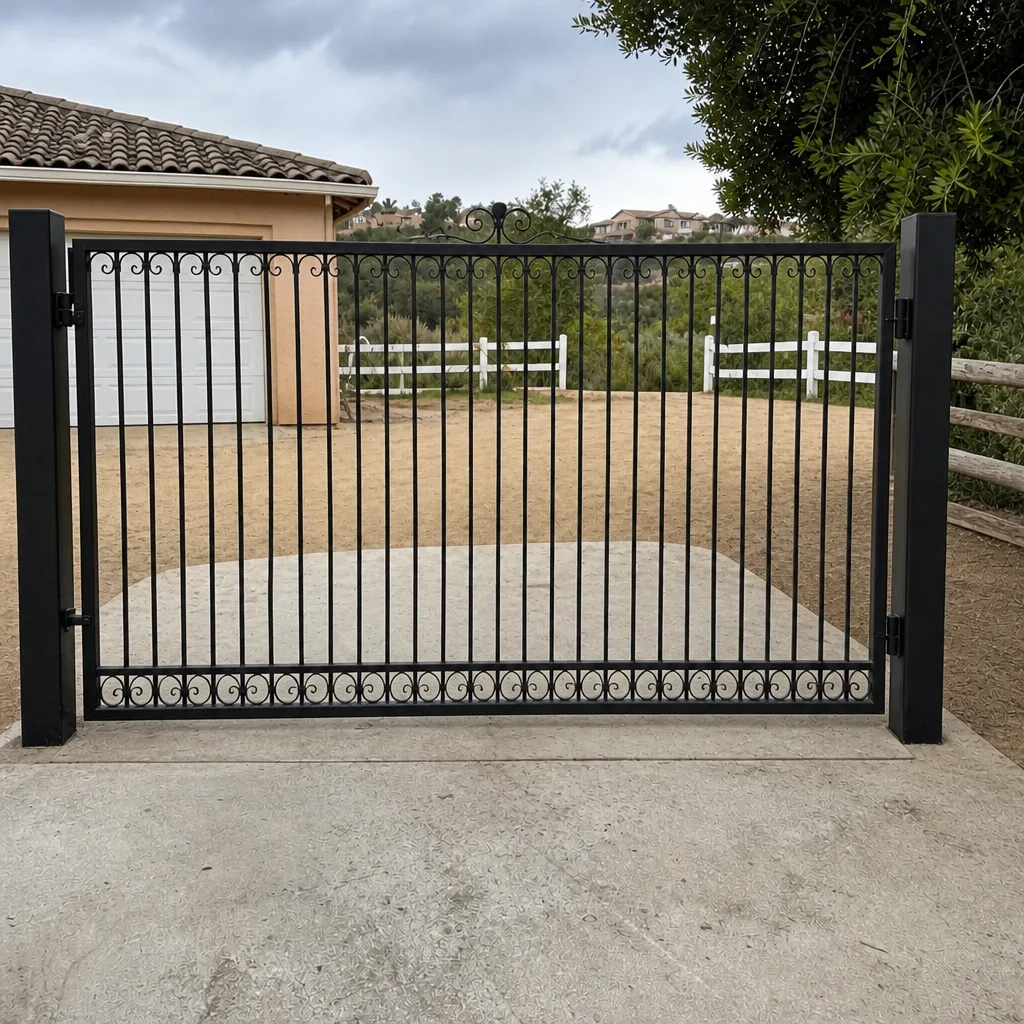 After
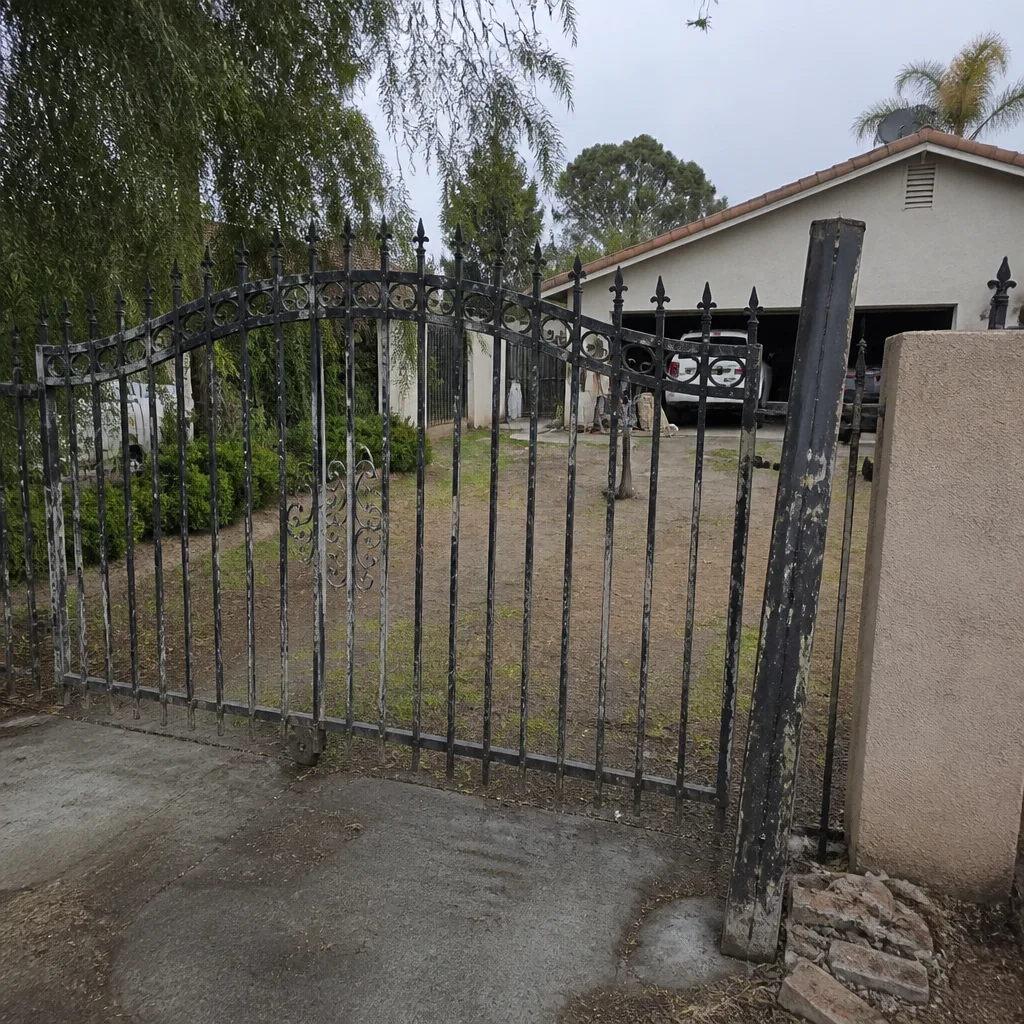 Before
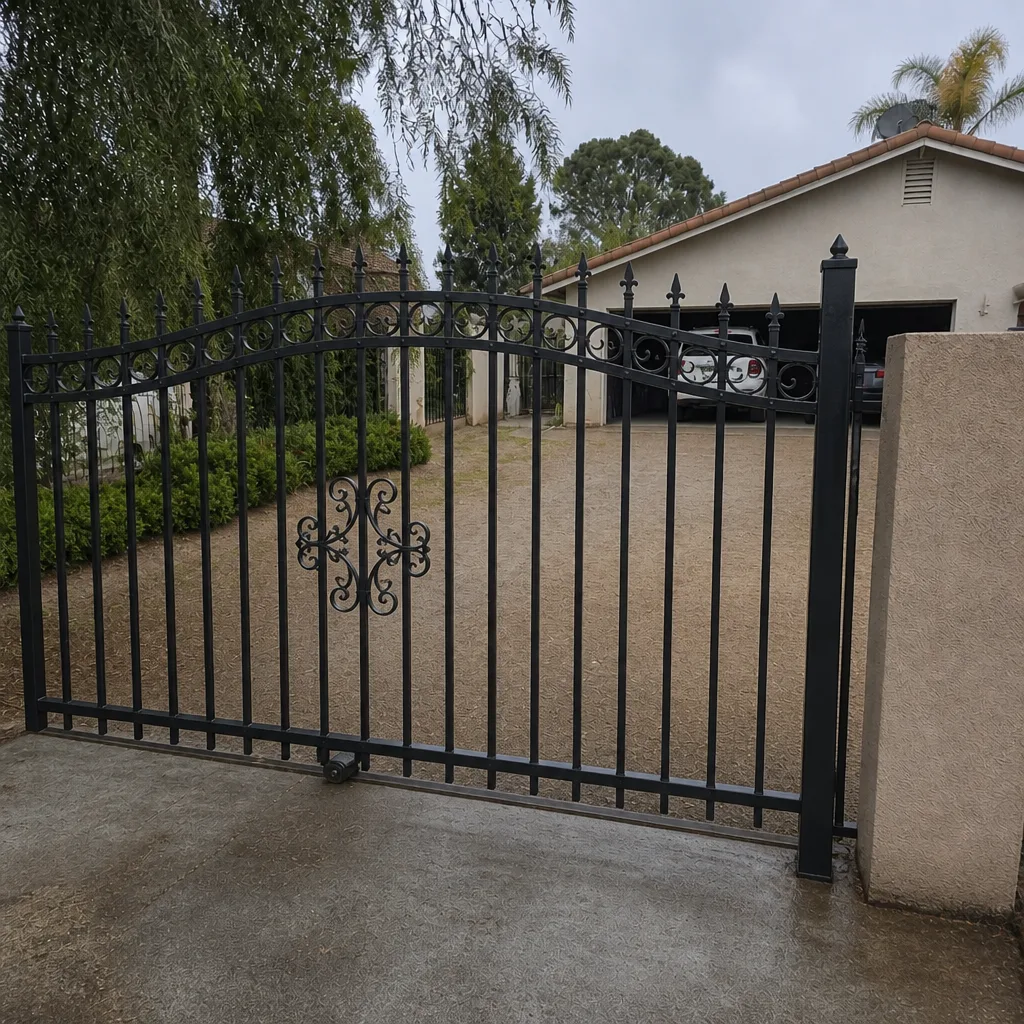 After
Common Mistakes to Avoid
- Replacing the operator before checking the wiring. A significant share of “dead” operators in Temecula are just not receiving power. If the wiring or transformer is at fault, a new operator won’t fix anything. Always verify power and grounds first.
- Ignoring a gate that’s getting slower. A gate that moves slower than it used to is telling you something: the motor is straining, a hinge is binding, or a capacitor is failing. Waiting until it stops completely usually turns a $200 fix into a larger one.
- Lubricating without cleaning first. Spraying lubricant over Temecula’s fine dust and grit creates a grinding paste that accelerates wear on rollers and hinges. Clean the surfaces first, then apply the right lubricant.
- Adjusting limit switches without knowing what they do. Limit switches stop the gate at the right point. Adjusting them incorrectly can cause the gate to over-travel, under-travel, or reverse at the wrong moment. This is a calibration task best left to someone who works on gates daily.
- Welding a cracked gate leaf without checking the post alignment. If the post has shifted and the gate cracked from the stress, welding the leaf without fixing the root cause means another crack is coming, often in a new location.
- Ignoring the backup battery. Temecula loses power during fire season and heat waves. If your gate operator’s battery is dead, your gate won’t open during an outage, which can block emergency access. Check the battery every few years.
- Calling a general handyman for an electric gate. Automated gates involve low-voltage wiring, control boards, loop detectors, and safety systems. This is a technical specialty. Electric gate repair requires the right diagnostic equipment and brand experience.
When to Call a Professional
Call a gate professional rather than attempting a fix when you see any of these: the gate reverses for no visible reason, the operator hums but doesn’t move, the gate has come off its track, the remote works intermittently, or the gate has been hit by a vehicle. Each of these symptoms points to a system-level problem that requires diagnosis, not guesswork. Automated gate operators also contain capacitors that can hold a charge even when the power is off, and the moving gate itself is heavy enough to cause serious injury. We do not recommend opening the operator housing if you’re not trained. Gate repair is not a handyman task on an electric system.
Gate Repair Temecula offers free estimates in Temecula. Call (877) 358-4544. We answer 24/7. Fast dispatch from 7am to 7pm.
Frequently Asked Questions
Typical gate repairs in Temecula run from $200 to $900 for electrical and mechanical components like limit switches, safety edges, loop detectors, batteries, and hinge replacements. Full operator replacement typically runs higher and depends on the brand and the gate’s size. Every job starts with a free estimate, and the written estimate sets the final price before any work begins. Call (877) 358-4544 for an exact quote for your gate.
In most cases, yes. We provide fast dispatch from 7am to 7pm, Sunday through Friday, and many Temecula gate repairs are completed the same visit if parts are available. For unusual or older parts, we order and return as soon as the part arrives. Call (877) 358-4544 and describe the problem. We answer 24/7 and will book you into the next available opening.
A full gate installation includes removing the old gate and operator if present, setting or verifying the posts, hanging the new gate leaf, installing the operator, running the low-voltage wiring, connecting the safety loops and photo eyes, and programming the remote controls and keypad. We handle manual gate installation, electric gate installation, and full replacement under one service. The price is set by the written estimate, agreed before we start.
Yes. We run the low-voltage wiring from the power source to the operator, install and connect the safety edges, wire the loop detectors, and configure the auto-reverse settings. On a new Gate Repair Temecula installation, everything electrical, mechanical, and structural is handled by our technicians in one job.
First, verify that no one is injured and contact your insurance company if needed. Then, if the gate is stuck open or blocking access, call us. A vehicle impact usually bends the gate leaf, damages the operator arm or gears, and often shifts the posts. We assess the full extent of the damage, provide a written estimate for repair or replacement, and can work with your insurer on the claim. We answer 24/7.
Yes. We service residential gates and commercial HOA entrance gates throughout Temecula, including the master-planned communities. For HOA entrance gates, we coordinate through the property manager, provide a written estimate, and schedule the work to minimize traffic disruption. For homeowner driveway gates, we work directly with you.
We repair LiftMaster, FAAC, BFT, Linear, Viking, Ghost Controls, DoorKing, Elite, and Mighty Mule. Brand-trained, not brand-locked, we diagnose first and recommend second. Your repair recommendation is based on the system you already have, not on what we happen to stock.
The Bottom Line
Gate repair in Temecula is not just about replacing the part that looks broken. The real work is finding the root cause: a corroded ground, a shifted post, a UV-damaged loop wire, a limit switch that drifted. Diagnose the system in the right order, electrical then mechanical then structural, and you stop paying for the wrong repair. We work on the system you already have, LiftMaster, FAAC, Viking, and more, and we handle everything from a simple hinge replacement to a full automated gate installation. If your gate is acting up in Temecula, call (877) 358-4544. The estimate is free, and the price is set by the written estimate before any work starts.
Written by the team at Gate Repair Temecula, serving Temecula since 2016.