
Last updated November 4, 2026
 Wrought iron
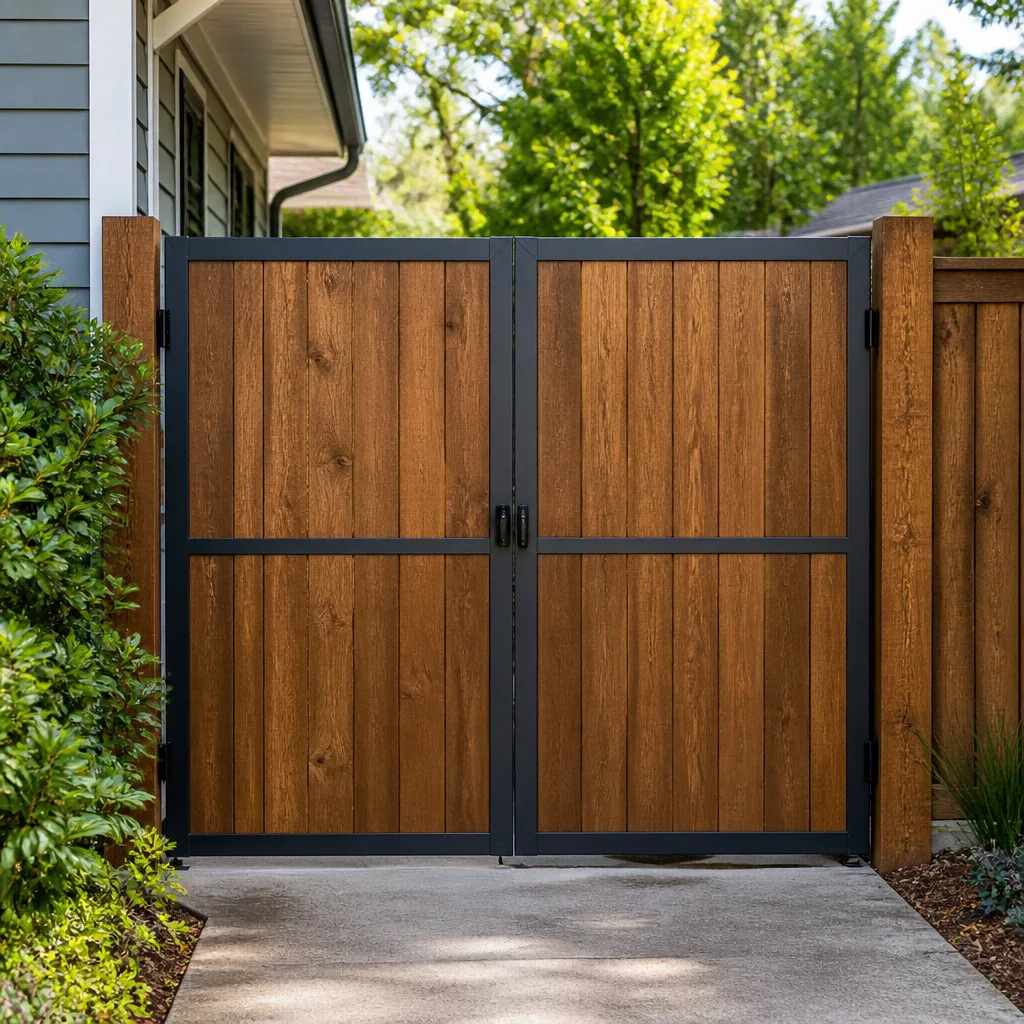 Wood & steel frame
 Farm & ranch
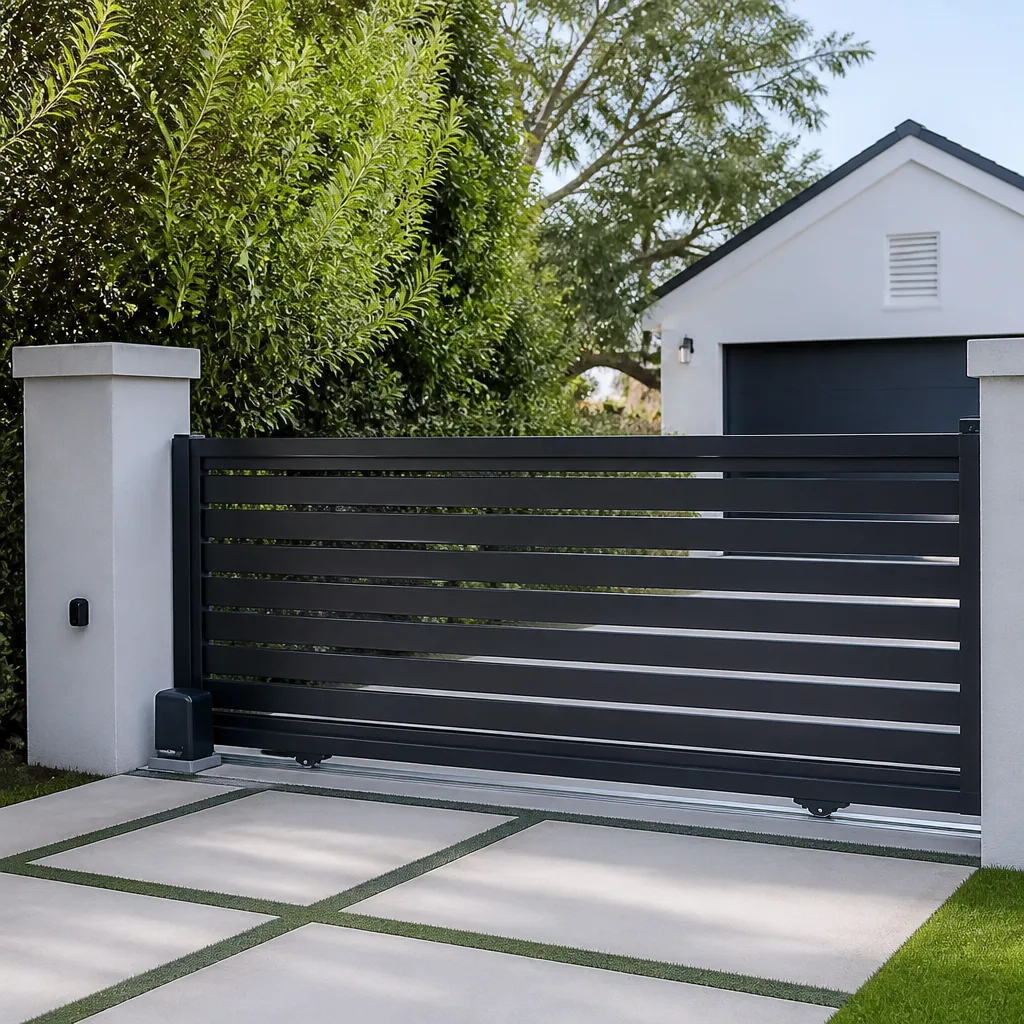 Sliding driveway gates
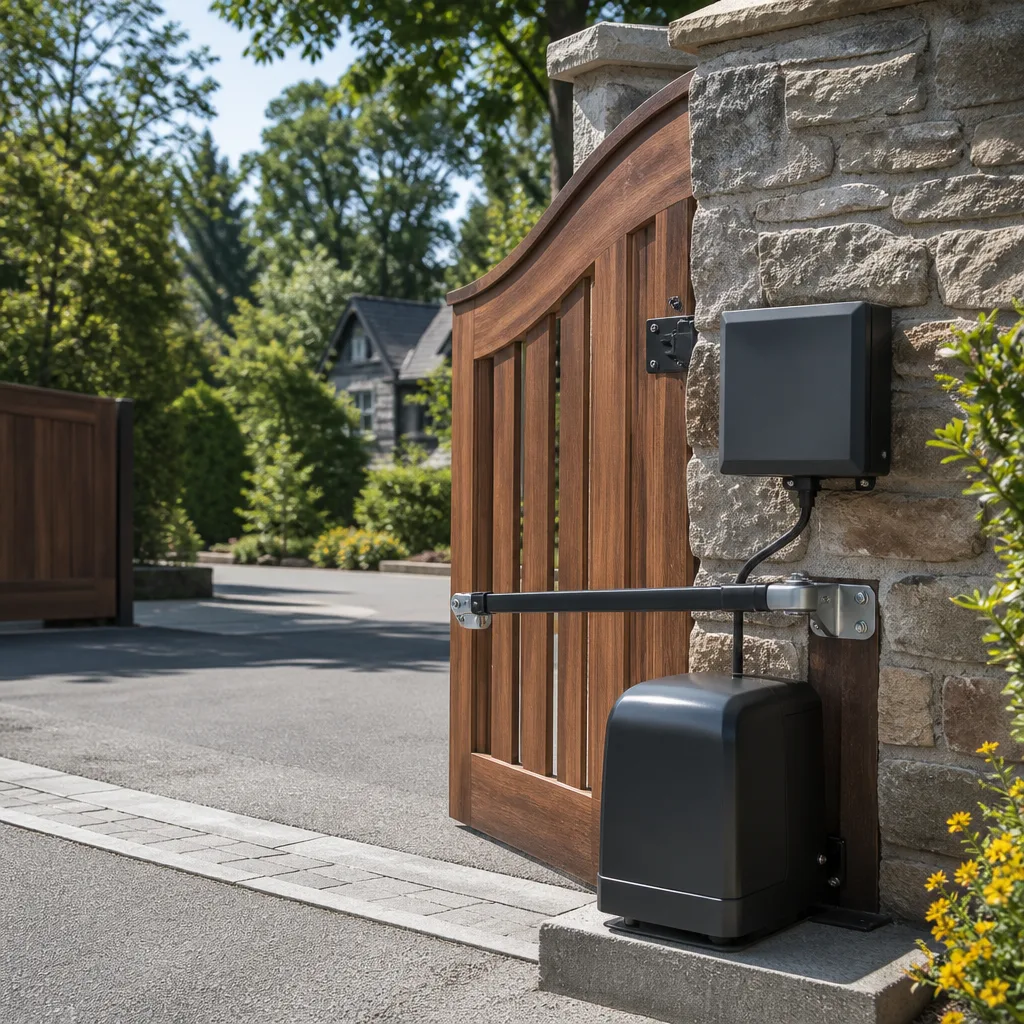 LiftMaster operators
Free on-site gate assessment - hinges, posts, and your LiftMaster or Nice gate operator checked before anything is quoted
The assessment is free and the quote is the invoice.
Get your free estimateDIY vs Professional Gate Repair: The Temecula Homeowner’s Decision Guide
Most Temecula homeowners assume the DIY-versus-pro gate repair question comes down to handiness. It doesn’t. The real dividing line is voltage, structural load, and legal exposure. A 24V photo eye replacement sits comfortably in homeowner territory. A 120V transformer secondary does not, and California code is explicit about who may work on what. This guide maps that line task by task, so you can decide with confidence whether to grab a screwdriver or pick up the phone. If your gate misbehaves in Temecula, you’ll know exactly where you stand before you touch a single wire.
Styles & brands we work with
- Wrought iron
- Wood & steel frame
- Farm & ranch
- Sliding driveway gates
- LiftMaster operators
Quick Answer
DIY gate repair in Temecula is appropriate for low-voltage, non-structural tasks like cleaning tracks, replacing photo eyes, or adjusting a sagging manual gate hinge. Professional repair is required for anything touching 120V power, gate operator control boards, welded structural components, or entrapment-protection systems. The decision is not about skill. It’s about code compliance and keeping your homeowner’s insurance intact.
Table of Contents
- The Voltage Line: Where California Draws the Boundary
- Task-by-Task Classification: Safe DIY, Requires Skill, Professional Required
- Warranty and Code: What DIY Actually Voids
- The Hidden Cost of DIY Misdiagnosis in Temecula
- Tools That Make or Break a DIY Gate Repair
- DIY Prep That Cuts Your Professional Bill by 30 – 40%
- Common Mistakes to Avoid
- When to Call a Professional
- Frequently Asked Questions
- The Bottom Line
The Voltage Line: Where California Draws the Boundary
California’s electrical code treats low-voltage and line-voltage work differently, and that distinction is the backbone of any sensible DIY decision. Most automatic gate operators run their control logic on 24V DC or AC. That’s the voltage running through photo eyes, keypads, loop detectors, and limit switches. Homeowners can generally service those components without a license. But the operator’s transformer primary side is a different animal. That’s the 120V AC feed coming from your panel or an existing branch circuit.
The National Electrical Code, adopted by California, requires that work on line-voltage circuits be performed by a qualified electrician or someone working under a licensed contractor’s supervision. A homeowner who opens a junction box, splices a feed, or replaces a transformer and creates a fire or shock hazard has done more than a bad repair. They’ve done unlicensed electrical work, and their insurance company has a clear reason to deny the claim.
This is the line most guides blur. Replacing a photo eye is not the same as rewiring a control board, even though both components live inside the same housing. Rewiring the board’s 24V side is a gray area that leans DIY-possible if you own a multimeter and read wiring diagrams. Touching the transformer secondary on a hardwired 120V operator is not. In Temecula, where many homes have hardwired operators from FAAC, BFT, and Viking, this distinction decides whether a repair ends in a working gate or a fire inspection report.
Our position is simple. If you’re working downstream of the transformer, proceed carefully. If you’re upstream of it, electric gate repair work belongs with someone who carries the license and the liability.
Task-by-Task Classification: Safe DIY, Requires Skill, Professional Required
The fastest way to decide your next move is to sort the job. The table below classifies common gate repairs by three factors: voltage exposure, structural load, and entrapment risk. If a task sits in the third column, the cost of a wrong move outweighs any labor you’d save.
| Gate Repair Task | Classification | Reason |
|---|---|---|
| Cleaning and lubricating gate tracks | Safe DIY | No voltage. No structural load. Improves function. |
| Replacing a photo eye (non-wiring, like-for-like) | Safe DIY | 24V component. Plug-and-play on many brands. |
| Adjusting a manual gate hinge or latch | Safe DIY | Mechanical only. Requires basic tools. |
| Replacing a keypad battery | Safe DIY | Low-voltage device. No wiring required. |
| Wiring a new photo eye or edge sensor into an existing circuit | Requires Skill | 24V wiring. Incorrect polarity can damage the control board. |
| Adjusting limit switches on a slide gate operator | Requires Skill | Mechanical adjustment tied to motor travel. Wrong setting causes gate crash or stall. |
| Replacing a gate operator control board | Requires Skill | 24V wiring, programming, and brand-specific diagnostics. |
| Replacing or rewiring a 120V transformer | Professional Required | Line-voltage work. Licensed electrical work in California. |
| Welding a cracked gate frame or hinge post | Professional Required | Structural load. Failure risk is injury-level, not cosmetic. |
| Installing or replacing an entrapment safety system (edges, loops, photo eyes integrated with operator logic) | Professional Required | UL 325 entrapment standards. Insurance and liability exposure. |
| Diagnosing an operator that trips a breaker or GFCI | Professional Required | Involves line-voltage troubleshooting. Fire hazard potential. |
Notice a pattern. The safe DIY column is all mechanical or battery-level work. The professional column is voltage, structure, or entrapment. That’s not an arbitrary line we drew. It’s what our technicians see in Temecula service calls every week: homeowners who took on a professional-level repair with homeowner-level tools and turned a $300 fix into a $1,200 replacement.
Warranty and Code: What DIY Actually Voids
The two most expensive words in DIY gate repair are “void warranty.” Most operator manufacturers write their warranty language broadly enough that any unauthorized modification or repair invalidates coverage. That does not mean every DIY task voids a warranty. It means the manufacturer gets to decide, and their decision often happens after the gate fails again.
Here’s what manufacturers in the gate industry typically cover and exclude. The warranty covers defects in materials and workmanship under normal use. It excludes damage from improper installation, unauthorized repair, or use of non-approved components. When a homeowner replaces a Viking control board with a third-party board, installs it incorrectly, and the new board fails, Viking has no obligation to replace it. When a FAAC operator receives a photo eye wired with reversed polarity and the main board fries, FAAC’s warranty department will not eat that cost.
California code adds a second layer. The California Electrical Code requires permits for any new electrical circuit installation and for significant modifications to existing circuits. Most gate repair work in Temecula does not require a permit, because it’s repair, not new installation. But installing a new hardwired gate operator on a fresh circuit absolutely can. If you’re not certain whether your project needs a permit, ask the City of Temecula’s building department. The question is free. The consequence of skipping it is not.
And then there’s the insurance question. Homeowners insurance in California covers sudden and accidental damage. It does not cover damage that results from unlicensed electrical work or negligent repair. If a homeowner rewires an operator and the gate later injures someone, the injury claim response from the insurer starts with two questions: who did the wiring, and were they licensed? If the homeowner did it, the claim adjuster has a clear path to denial. We are not attorneys and this is not legal advice, but this is the scenario we tell every Temecula client to consider before opening a control box.
The Hidden Cost of DIY Misdiagnosis in Temecula
Misdiagnosis is where DIY gate repair gets expensive, and it’s the most common reason homeowners in Temecula call us after attempting the fix themselves. They didn’t cause the damage by being careless. They caused it by guessing at the root problem and replacing the wrong part. The math then works against them: they paid for a part that wasn’t broken and still have the original fault, plus sometimes a new one.
Three misdiagnoses stand out in our service area because they happen repeatedly.
First, the dead keypad. A homeowner’s gate stops responding to the keypad, so they buy a new keypad, wire it in, and the gate still won’t move. The real issue was a failed limit switch telling the operator the gate was already open. Now the homeowner has two problems: the original limit switch fault and a keypad wired into a system that never needed it. The correct repair was a $40 limit switch and fifteen minutes of labor. The DIY path cost a $120 keypad plus the eventual professional diagnostic visit.
Second, the “dead operator” that simply lost power. A gate operator stops responding entirely. The homeowner assumes the motor failed and orders a replacement operator online. The gate still doesn’t work after installation because the original fault was a tripped GFCI outlet on the branch circuit feeding the operator. This happens often enough in Temecula, where many garages and gate runs share circuits with landscape lighting or irrigation controllers. A multimeter would have caught it in two minutes. The homeowner skipped the diagnostic step and bought a $600 operator instead.
Third, the noisy slide gate that gets greased into submission. A slide gate starts grinding, so the homeowner lubricates the track. The noise returns in a week because the real problem is a failing V-wheel or a misaligned chain. Grease hid the symptom temporarily. The wheel failed later anyway, this time scoring the track. A $90 wheel replacement became a $400 track and wheel replacement.
In every case, the initial DIY repair felt like saving money. The final professional invoice was larger than if the problem had been diagnosed correctly the first time. This is the hidden cost that doesn’t show up in any DIY blog post.
Tools That Make or Break a DIY Gate Repair
Most DIY gate repair guides start by listing tools and then move on. We’ll start with the harder truth: if you don’t own a multimeter, you are not equipped for any electrical diagnosis on a gate operator, even the 24V side. That one tool is the difference between testing a circuit and guessing at it. Guessing at electrical work on a gate is how control boards get fried.
Here’s what a legitimate DIY gate repair toolkit actually looks like, sorted by the type of work you’re doing.
For mechanical work (Safe DIY):
- A set of Allen wrenches and socket drivers for hinge and track adjustments
- A torque wrench for setting hinge bolts on heavier gates without stripping threads
- A good penetrating lubricant, not WD-40, for pivot points on manual gates
- A car jack and wooden blocks if you need to lift a sagging gate to reach its hinges
For low-voltage electrical work (Requires Skill):
- A digital multimeter with DC voltage and continuity testing
- Wire strippers, crimpers, and heat-shrink connectors rated for outdoor use
- The operator’s wiring diagram, printed or on a second screen
- Insulated tools, even on 24V circuits, because a short can still damage components
- A limit switch adjustment tool specific to your operator brand
For diagnostics on automated systems:
- A loop detector tester, if your gate uses vehicle detection loops
- A photo eye alignment tool or laser level
- A second person to block the photo eye beam while you read the multimeter
What you’ll notice about that third list is that most Temecula homeowners don’t own a loop detector tester. Neither do most general handymen. If your gate’s problem is an intermittent open command from a failing loop detector, neither you nor a generalist will find it without that tool. You’ll replace parts that test fine and still have a gate that opens halfway and stops. That’s not a skill gap anymore. It’s an equipment gap, and it sends the job to a gate specialist.
DIY Prep That Cuts Your Professional Bill by 30 – 40%
Here’s the part of the DIY conversation nobody writes about: the most valuable DIY work on a gate repair is not the repair. It’s the preparation before a technician arrives. A homeowner who documents their gate’s behavior thoroughly can reduce the billable diagnostic time significantly, because the technician isn’t starting from zero. We can only speak to our own process, but these steps typically save between 30% and 40% of the total service time on a diagnostic visit.
Here’s the prep work that actually moves the needle.
- Record the exact symptom, not the emotion. Write down what the gate does, not what you feel about it. “Gate opens halfway, pauses 3 seconds, closes” is useful. “Gate is acting weird” is not. Note whether the behavior is consistent or intermittent.
- Photograph the operator and control board labels. A clear photo of the model number, brand name, and wiring connections gives a technician the ability to research your specific system before arriving. This is especially useful on Linear and BFT operators, where board revisions matter.
- Photograph the gate itself, full frame. A picture that shows the gate in its closed position, the track condition, and the hinge configuration tells us volumes about what kind of system we’re walking into.
- Check the obvious power items yourself. Is the outlet the operator plugs into warm or tripped? Is the breaker in the panel in the on position? Is the GFCI on the outlet tripped? These checks cost you nothing and can eliminate the most common dead-operator causes.
- Note recent changes. Did landscape work occur near the gate? Was a new sprinkler head installed near the track? Did the gate start misbehaving after a rainstorm? Temecula’s dry climate means moisture issues are less common than inland coastal areas, but irrigation overspray near an operator box is a real thing here.
- Have the remote controls present. If the issue is remote-related, having all remotes on site lets the technician test each one. A dead remote battery can look like a failed receiver.
This prep doesn’t require a single specialized tool or a minute of electrical work. It just respects how professional diagnosis works. The more information you hand us at the door, the faster we find the fault, and the less you pay for time spent playing detective.
Common Mistakes to Avoid
- Guessing at the root cause instead of testing for it. Replacing a part because it “seems likely” is the most expensive mistake a homeowner can make. A multimeter reading costs nothing and ends the guessing. If you don’t own one, the repair wasn’t DIY-ready.
- Using indoor-grade wire or connectors outside. Temecula’s summer heat and UV exposure degrade indoor wiring insulation quickly. Use outdoor-rated, UV-stable wire and weatherproof connectors on any low-voltage gate component.
- Disabling a safety device to make the gate work. Removing or bypassing a photo eye or safety edge because it’s causing false triggers is how entrapment injuries happen. It also voids operator warranties and creates serious liability for the property owner.
- Lubricating everything that moves without knowing what the lubricant is for. Greasing a slide gate track that uses dry V-wheels attracts dust and grit from Temecula’s dry climate, which accelerates wear. Lubricate the right points, not every point.
- Adjusting limit switches without understanding the stop positions. A limit switch set too far in one direction forces the gate to crash into its end stop repeatedly. That repeated impact is what breaks chains, bends brackets, and burns out motors.
- Ignoring the weight of a sagging manual gate. A heavy gate pulling away from its hinges is a structural problem, not a lubrication problem. Continuing to operate it risks the gate falling entirely, and a falling gate injures whoever is underneath it.
- Doing line-voltage work without a license and without checking the breaker. Even if the breaker is off, opening a transformer enclosure on a hardwired operator crosses the line from repair into unlicensed electrical work in California. This is the mistake that insurance companies look for.
When to Call a Professional
Pick up the phone when the job touches 120V power, involves welding or structural repair, or concerns an entrapment protection system. Those are the three categories where a mistake is not measured in dollars but in shock, crush, or amputation risk. Also call when you’ve already attempted the repair and the gate still isn’t working. Misdiagnosis stacks labor on top of labor, and a professional diagnostic resets the clock.
If you’re in Temecula and your gate’s operator is acting up, Gate Repair Temecula offers free estimates. Call (877) 358-4544 and a gate technician, not a general handyman, will look at your system. We answer 24/7. Fast dispatch from 7am to 7pm, Sunday through Friday.
Frequently Asked Questions
You can repair low-voltage, non-structural components like photo eyes, keypads, and hinges, but any work on 120V power, welded structure, or entrapment systems should go to a licensed professional. California code and manufacturer warranties draw that line, not personal skill level. Call (877) 358-4544 for a free estimate on anything that crosses it.
Cleaning and lubricating tracks, replacing like-for-like photo eyes, adjusting manual hinges, and changing keypad batteries are all safe DIY tasks. These jobs are low-voltage or mechanical and carry minimal risk of structural failure or shock. If a repair requires opening a control board or touching a transformer, stop and call a professional.
It can, depending on the manufacturer and the nature of the work. Brands like FAAC and Viking exclude warranty coverage for damage caused by unauthorized repair or use of non-approved components. If you’re unsure whether a planned repair falls within coverage, check the warranty language before you start, or have a professional handle the repair from the beginning.
The cost depends on the fault, the operator brand, and the parts required, so there is no flat rate. You can expect a written estimate before any work begins, with the price agreed upfront. Call (877) 358-4544 for a free estimate on your specific gate. We answer 24/7.
The most common problem we see is intermittent operation caused by failing limit switches, misaligned photo eyes, or a weak keypad connection. These faults often get misdiagnosed as dead operators or dead remotes. The repair is typically fast, but the diagnosis is where the skill lives.
Same-day dispatch is available for many repairs. Call (877) 358-4544. We answer 24/7. Fast dispatch from 7am to 7pm, Sunday through Friday. A call outside dispatch hours is booked into the next opening.
The Bottom Line
The DIY-versus-professional gate repair decision in Temecula is not about how handy you are. It’s about the voltage you’re touching and the liability you’re carrying. Stay on the low-voltage, mechanical side and you can handle many small fixes safely. Cross into line-voltage, welded structure, or entrapment protection and you need a licensed professional, both for your safety and for your insurance coverage. Misdiagnosis is the hidden tax on DIY gate repair, and the best way to avoid it is diagnostic discipline: test, document, and know when the tool you’d need is one you don’t own. When that line appears, call (877) 358-4544 for a free estimate.
Written by the team at Gate Repair Temecula, serving Temecula since 2016.
See the difference
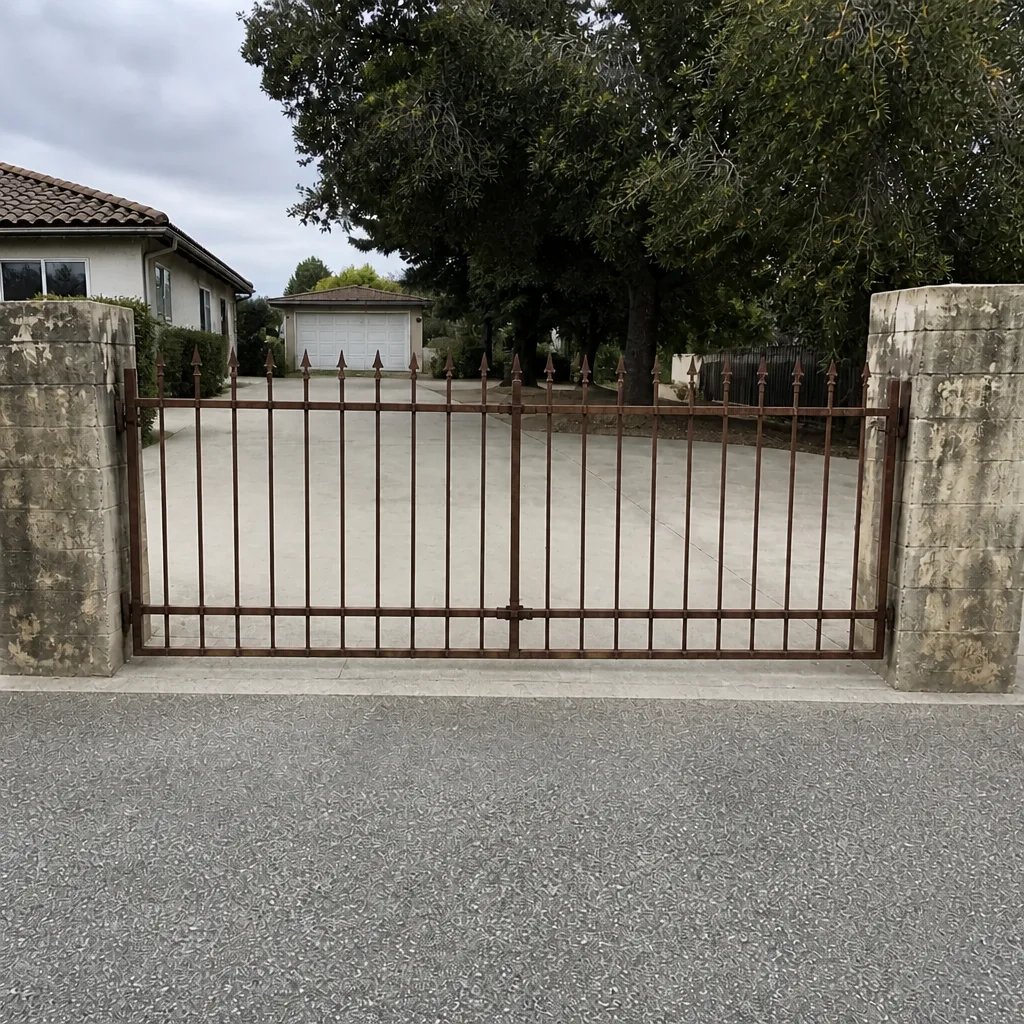
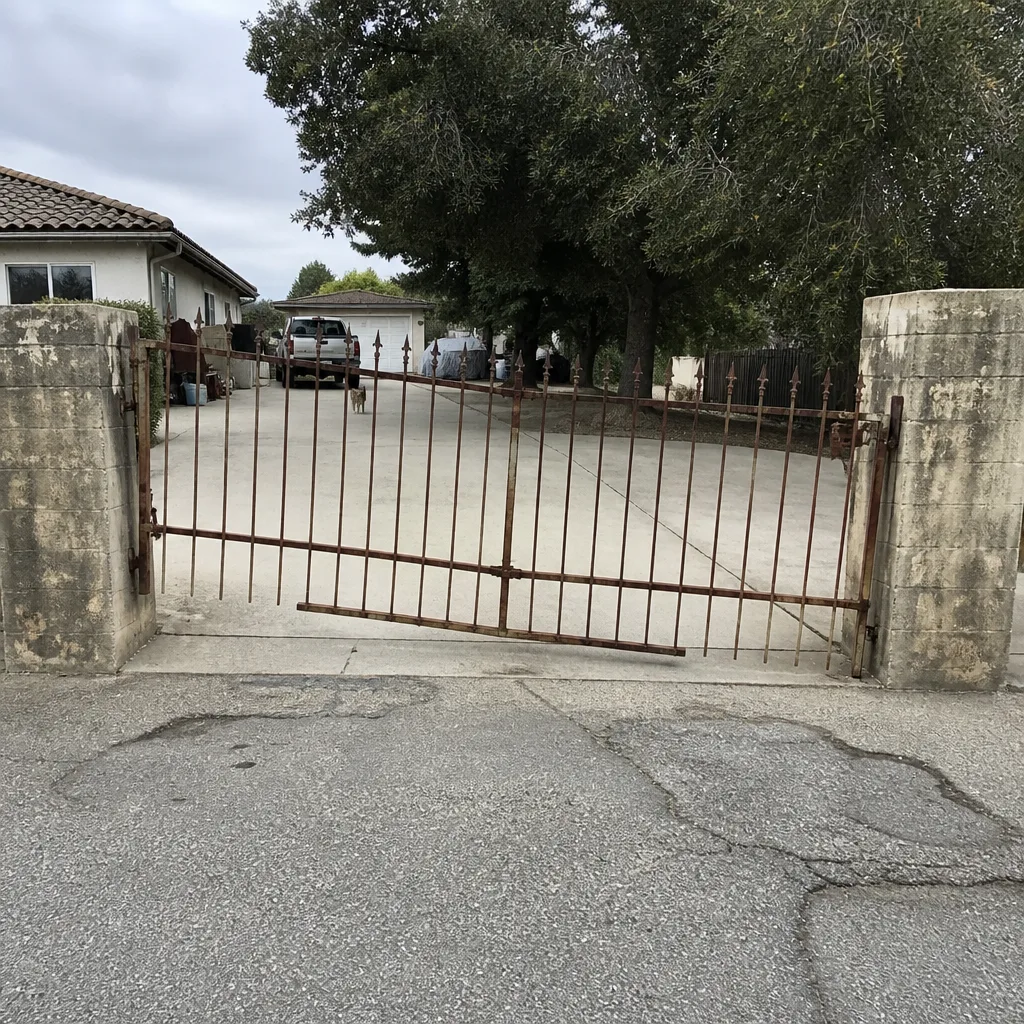 Before
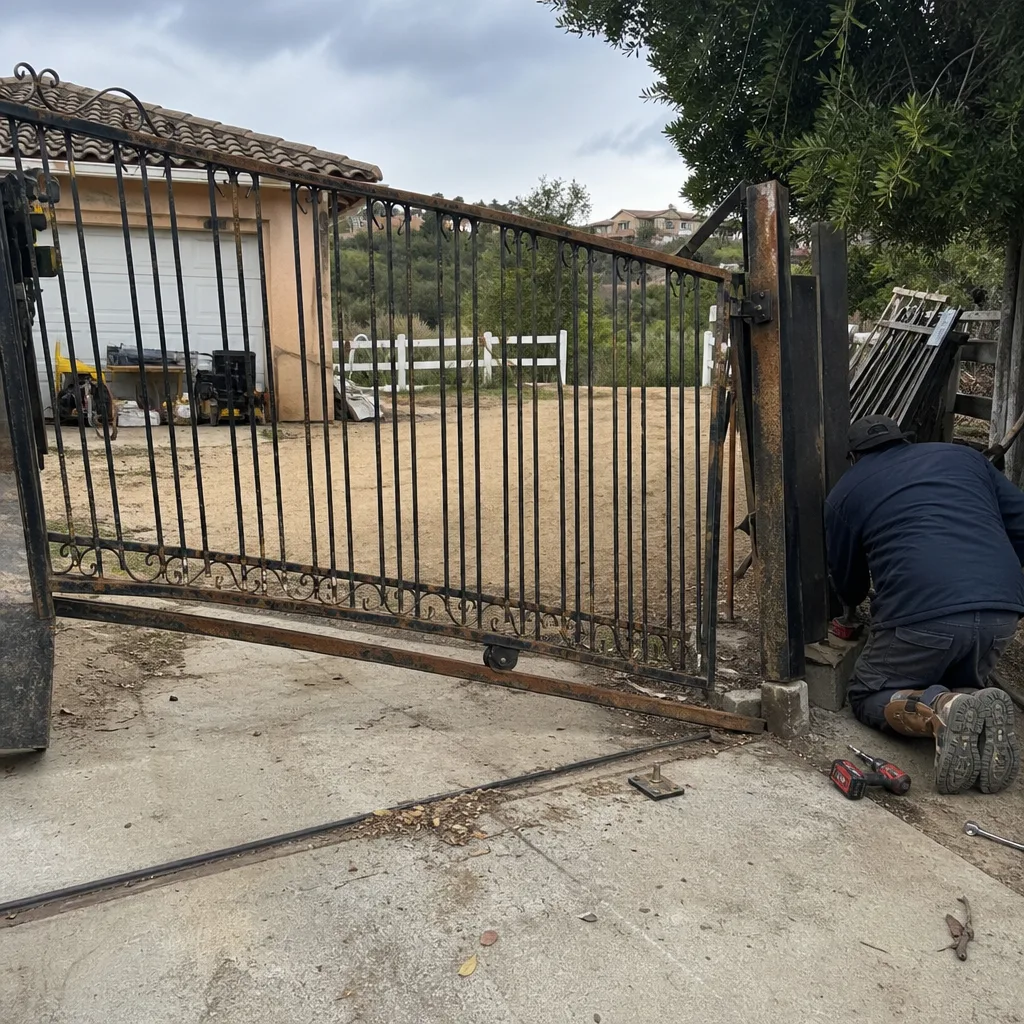
 After
 Before
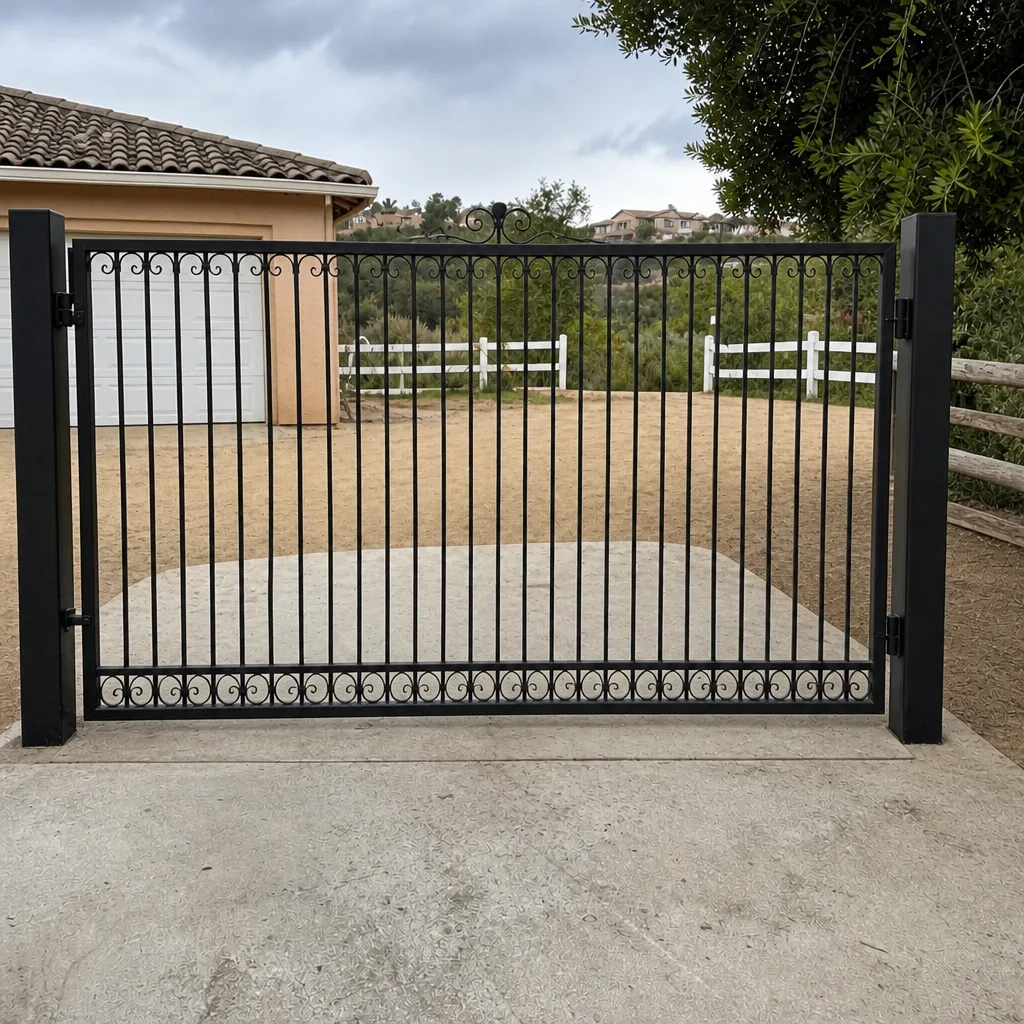 After
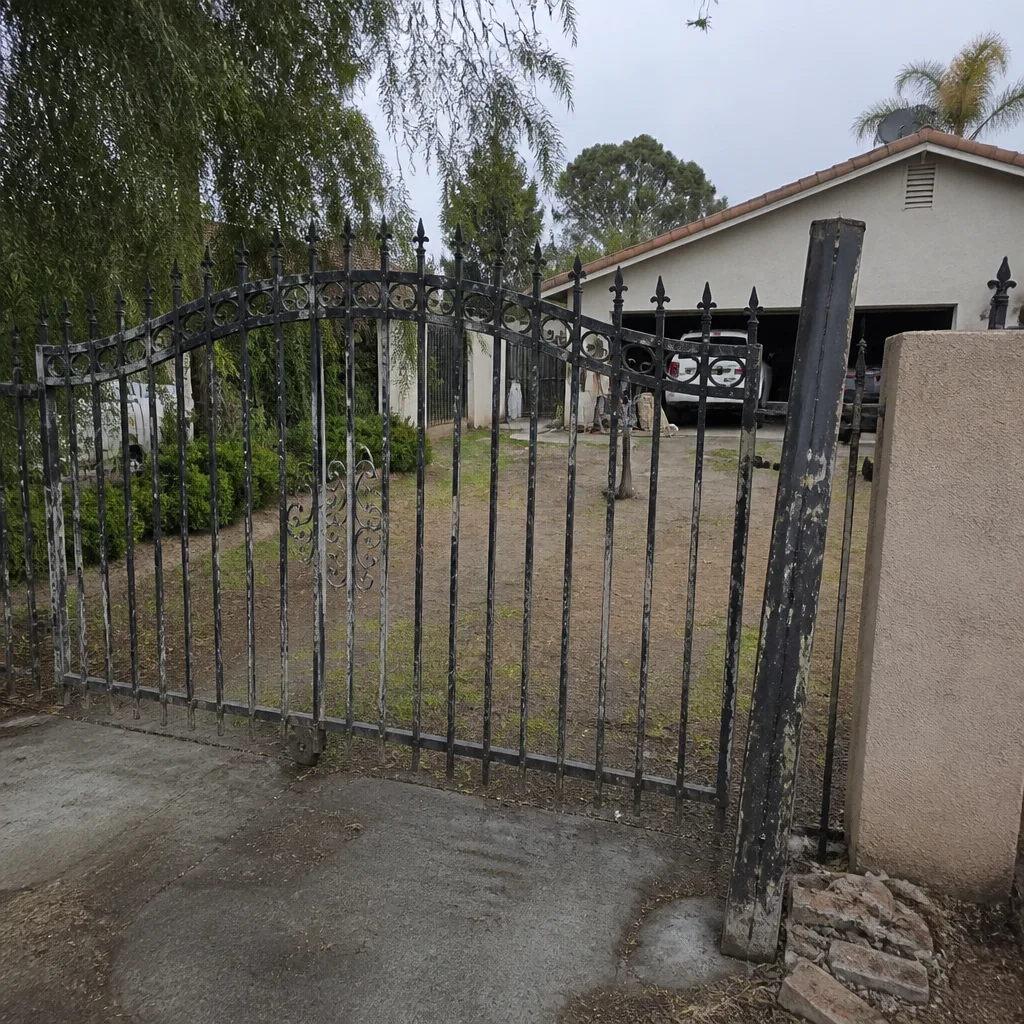 Before
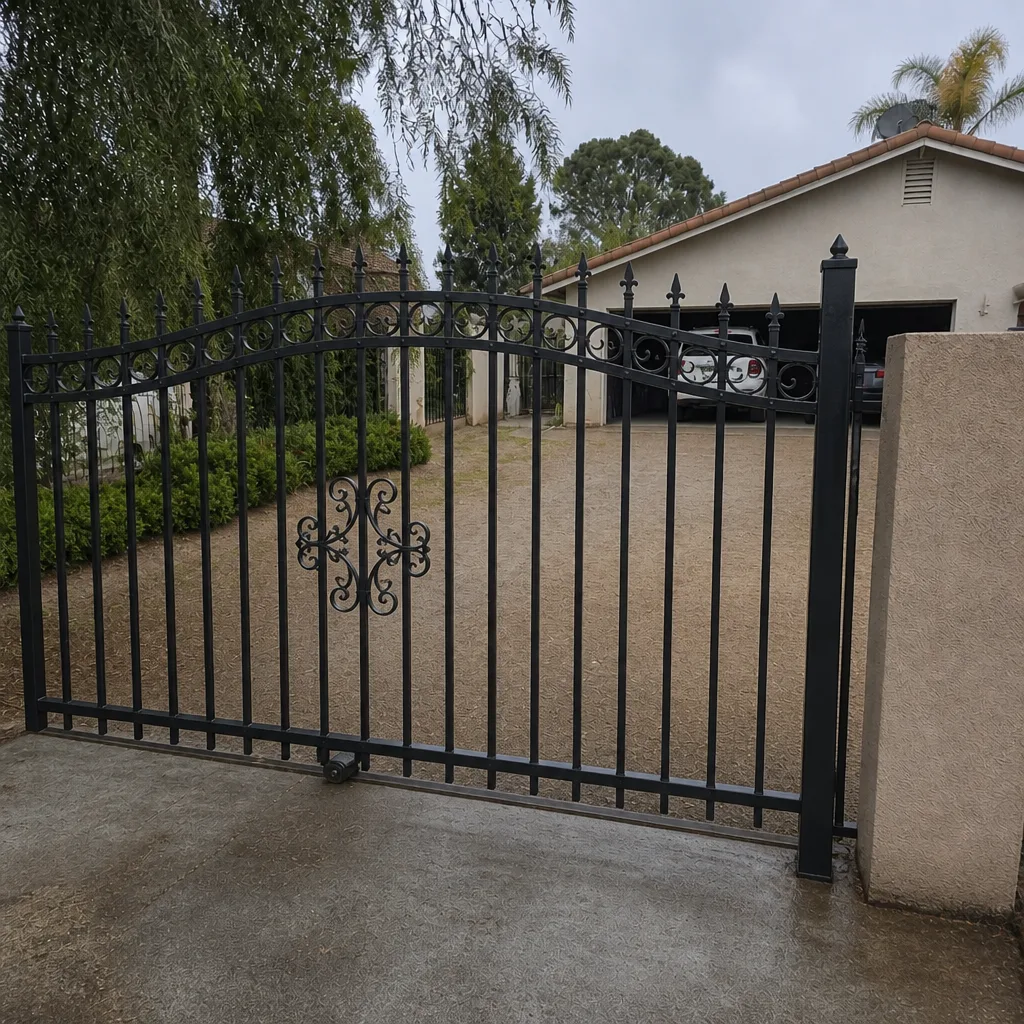 After