
Last updated November 4, 2026
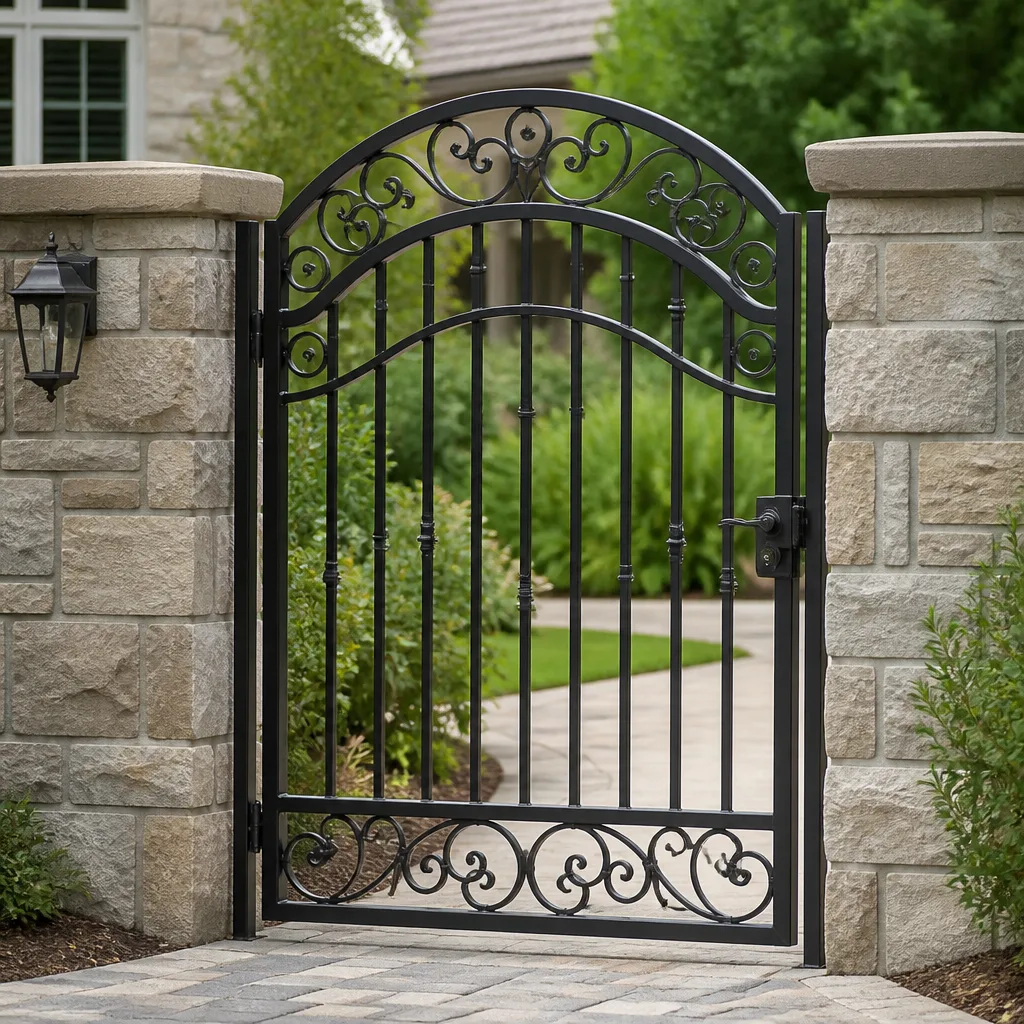 Wrought iron
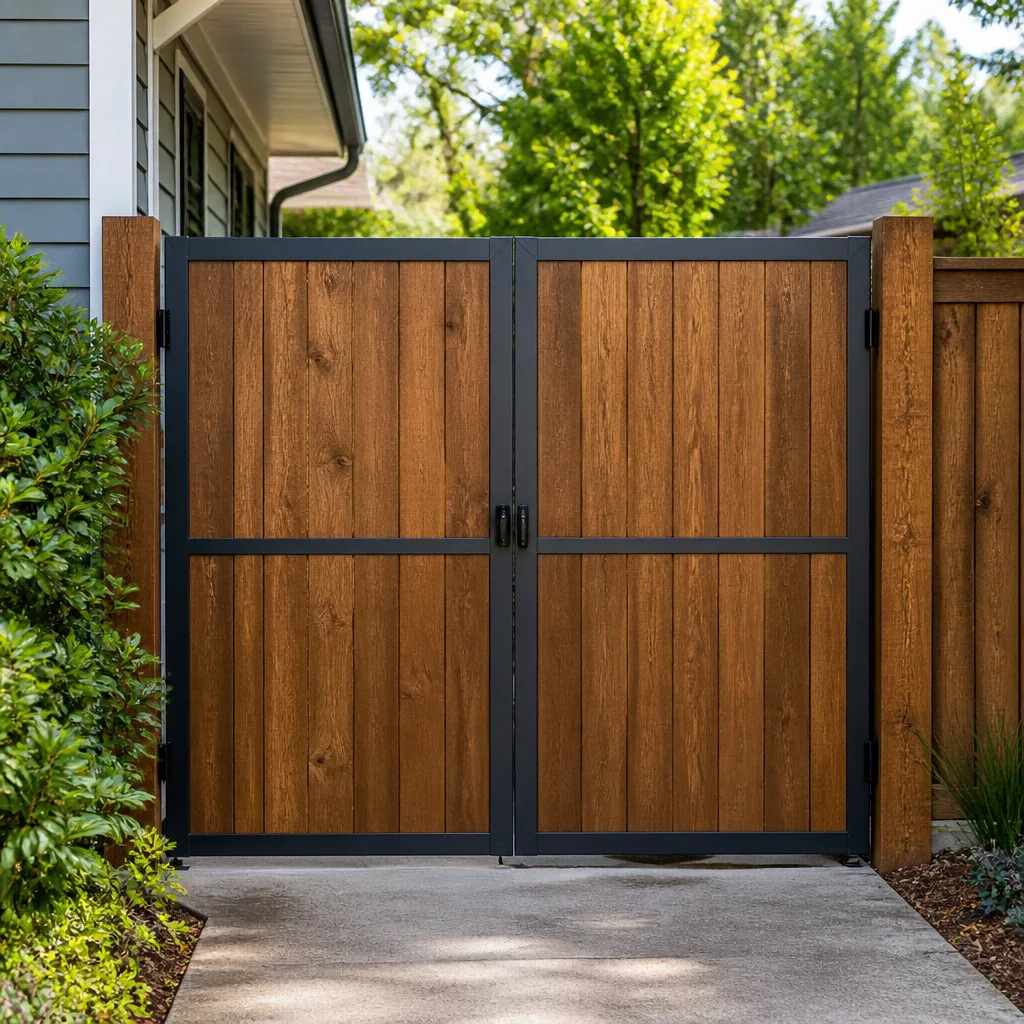 Wood & steel frame
 Farm & ranch
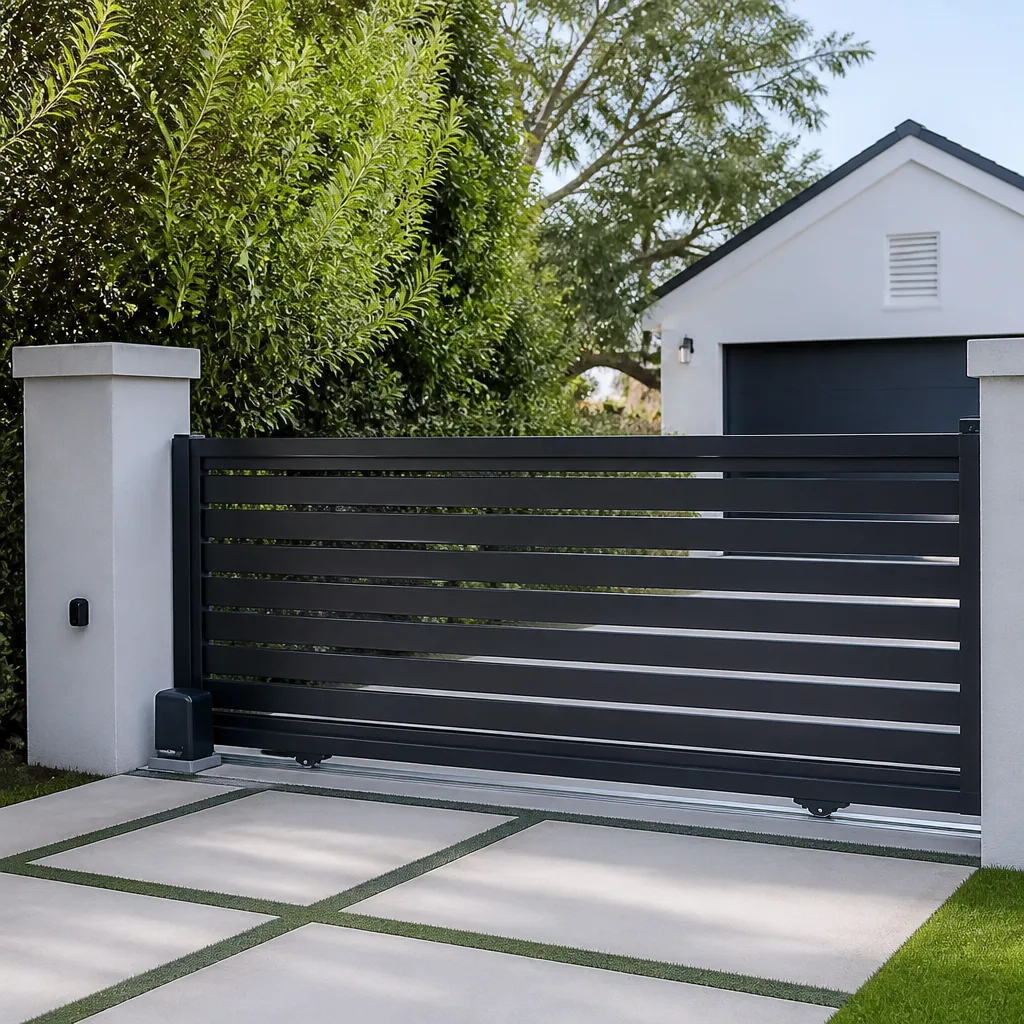 Sliding driveway gates
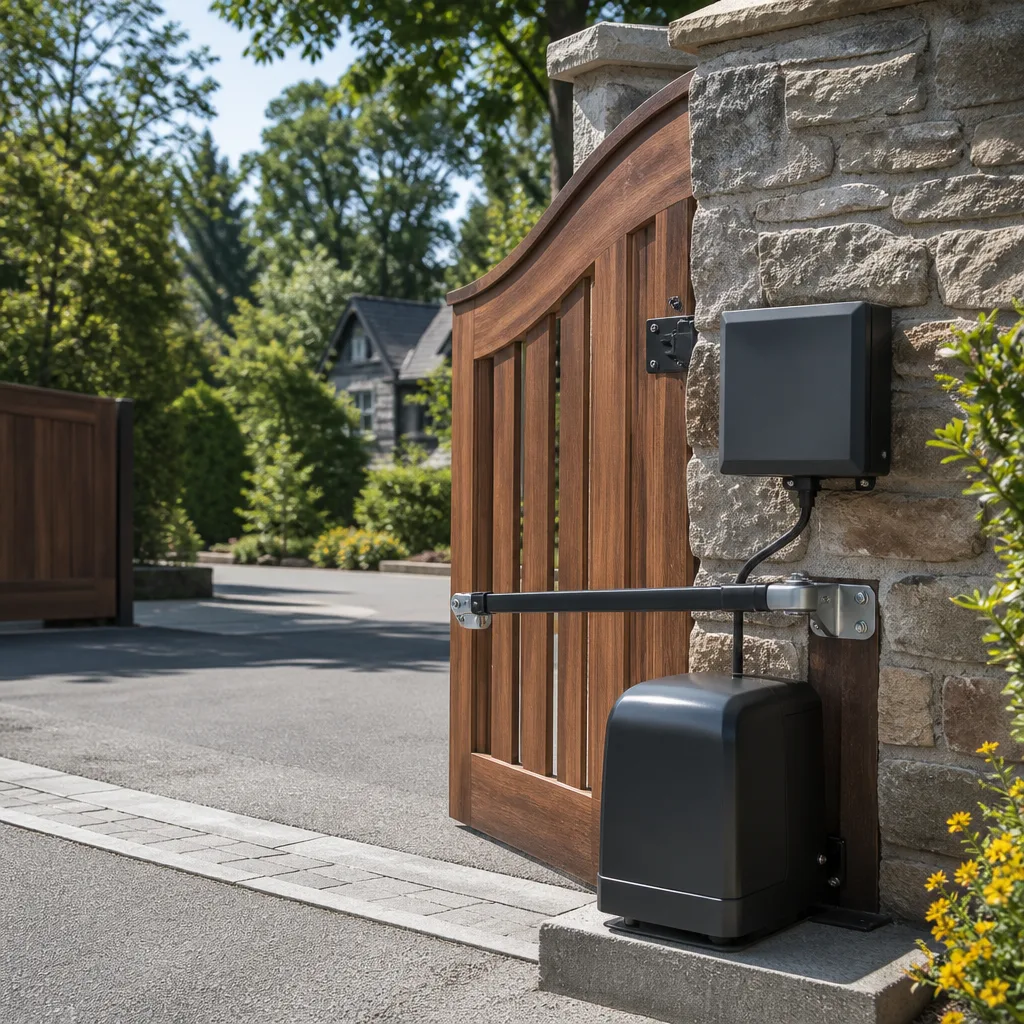 LiftMaster operators
Free on-site gate assessment - hinges, posts, and your LiftMaster or Nice gate operator checked before anything is quoted
The assessment is free and the quote is the invoice.
Get your free estimateGate Repair Maintenance Checklist for Temecula Homeowners
Most gate maintenance advice you’ll find online was written for somewhere with snow, ice, and a real winter. It tells you to check for freeze damage and lube everything once a year. That template misses what actually kills gates in Temecula: our daily 40-degree temperature swing between dawn and mid-afternoon. That thermal cycling works hinge bolts loose, stresses weld seams, and bakes grease inside your operator until it turns into a grinding paste, often within 18 months. This checklist is built around those local stressors, with pass/fail thresholds instead of vague “inspect regularly” instructions. You’ll learn what to check monthly, what to test seasonally, and which warning signs mean call a gate technician before a minor issue becomes a gate that won’t open at all.
Quick Answer
A proper gate maintenance routine for Temecula homeowners checks hinge torque every 4 to 6 weeks, tests safety reversing edges monthly, lubricates moving parts with material-matched products every 3 to 4 months, and inspects solar panel output and operator wiring before and after each summer. Hard water scale from Temecula’s 350+ ppm municipal supply requires descaling lock mechanisms and pivot points every 60 to 90 days. Skip the generic annual checklist; our thermal cycle demands shorter inspection intervals on hardware that moves constantly.
Styles & brands we work with
- Wrought iron
- Wood & steel frame
- Farm & ranch
- Sliding driveway gates
- LiftMaster operators
Table of Contents
- Why Temecula’s Thermal Cycle Demands More Frequent Checks
- Monthly Visual and Mechanical Checklist
- Hinge Torque Re-Check Intervals for Temecula’s Climate
- Testing Solar-Powered Gate Operators After Summer
- Hard Water Scale Removal for Locks and Pivot Points
- Go/No-Go Test for Safety Reversing Edges and Photo Eyes
- Lubrication Compatibility by Gate Material
- Common Mistakes to Avoid
- When to Call a Professional
- Frequently Asked Questions
Why Temecula’s Thermal Cycle Demands More Frequent Checks
Temecula sits inland, where summer days routinely hit the mid-90s and nights drop into the 50s. That 40°F swing happens every single day from June through September, sometimes into October. Metal expands when it heats and contracts when it cools. A 16-foot steel gate can grow by roughly 1/8 of an inch across a hot afternoon and shrink back by morning. Do that thousands of times and you get fasteners that back out, hinge brackets that shift, and powder coating that develops hairline cracks where moisture then gets underneath.
Manufacturers write maintenance schedules assuming a milder diurnal range, maybe 15 to 20 degrees. Temecula doubles that. We see gates that were installed correctly start sagging within two years because nobody re-torqued the hinge bolts after the first full summer. The fix is not complicated: shorter inspection intervals and a torque wrench applied to the right hardware. The same thermal stress affects operators too. The gearbox grease inside a Linear or Viking operator thickens faster under repeated heat cycling, which increases motor amp draw, which shortens the life of the control board. A 60-second hinge check once a month catches the mechanical drift; a seasonal operator inspection catches the electrical side.
What makes this guide different from a generic template is that every task ties to a measurable threshold. You’ll know what “good” looks like, what “watch it” looks like, and what “call a gate specialist” looks like. If you’d rather have a trained eye handle the whole list, gate repair in Temecula includes a full mechanical and electrical inspection as part of any service visit.
Monthly Visual and Mechanical Checklist
This is the 10-minute walk-around you do every 4 to 6 weeks. It catches the majority of failures before they strand you outside your own driveway or leave an HOA gate stuck open overnight.
- Check gate level. Stand 15 feet back and sight across the top rail. A gate that dips more than 1/2 inch from level at the latch corner needs hinge adjustment. If it dips more than 1 inch, stop using it and call for service; continuing to cycle a badly sagged gate bends the hinge pins and strains the operator.
- Inspect hinge bolts and brackets. Grab each hinge bracket and try to move it by hand. Any movement at all means the fasteners have loosened. See the torque section below for the exact re-check procedure.
- Look for cracks at weld joints. Focus on the corners where horizontal rails meet vertical stiles, and where the hinge brackets attach to the post. Stress cracks here grow fast in thermal cycling. Hairline cracks can be welded; anything wider than the edge of a dime needs a structural repair.
- Check the latch and lock operation. The latch should engage without lifting or forcing the gate. If you have to lift the gate to get the latch to align, you have hinge sag, not a latch problem.
- Inspect the ground track and rollers (cantilever and slide gates only). Rollers should turn freely without wobble. A flat spot on a roller creates a thump-thump-thump as the gate moves. Debris in the track should be cleared before each cycle.
- Look at the operator mounting plate. Bolts that secure the operator arm or motor plate should be tight, with no rust staining around the bolt heads. Rust staining means moisture is working into the threads.
- Check battery backup (if equipped). Press the test button on the battery unit. If the test light is amber or red instead of green, or the gate moves slowly on battery power alone, the battery is nearing end of life.
Keep a small log on your phone or in a notebook. Note anything that looks different from last month. That baseline makes it much easier to spot slow drift before it becomes a breakdown. We work on the system you already have, LiftMaster, FAAC, Viking, and more, so the monthly check looks similar across brands but the specifics may differ; when in doubt, ask.
Hinge Torque Re-Check Intervals for Temecula’s Climate
A generic maintenance guide says check hinge hardware once a year. In Temecula, that leaves at least 11 months between checks while the gate cycles through roughly 300 days of 40-degree temperature swings. Here’s what we recommend instead, based on the hardware type.
Standard barrel hinges on tubular steel gates
These are the most common residential swing gate hinges. The two bolts on each leaf, the pivot pin, and the set screw all need to be checked. Re-torque every 6 to 8 weeks during summer, every 10 to 12 weeks the rest of the year. If the gate is used more than 20 cycles per day, use the shorter interval. Torque spec is typically 25 to 35 foot-pounds for 3/8-inch hardware, but you should match what the manufacturer lists for your specific gate. If you don’t have the spec, snug them down with a wrench and mark the bolt head position with a paint pen. A bolt that has moved from the mark has loosened.
Adjustable hinges with threaded barrel
These allow fine leveling adjustments but add a second threaded connection that works loose. Check the jam nut against the barrel every 4 to 6 weeks in summer. If the jam nut is no longer tight against the barrel, the hinge has shifted and the gate is out of level.
Heavy-duty butt hinges on commercial gates
Commercial cantilever and slide gates in Temecula retail centers and HOA entries see dozens to hundreds of cycles daily. Hinge bolts on these should be re-torqued every 30 days during peak traffic seasons. We recommend using a torque wrench with a socket that fully seats; a partially seated socket rounds the bolt head and ruins the next check.
Here’s the key insight: a re-torque is not the same as tightening. A re-torque means bringing the fastener back to its specified torque value. That requires checking it with a torque wrench, not just seeing if it moves. If you find a bolt that has loosened more than twice in a season, the hinge needs thread locker or replacement; repeated loosening means the threads have worn past their holding tolerance.
Testing Solar-Powered Gate Operators After Summer
Temecula gets more than enough sun for solar gate operators most of the year, but summer heat degrades solar panel output and battery capacity. A panel that produces full voltage in May can drop below its threshold by September, and the first sign is usually a gate that opens slower in the morning before the sun hits the panel.
Here’s the go/no-go test we use. You’ll need a basic multimeter.
- Wait for full sun. Test between 11am and 2pm, with the panel face pointing as it normally does. No clouds, no shade.
- Disconnect the panel from the operator. Test open-circuit voltage at the panel leads. For a 12-volt system, you should read 17 to 22 volts DC. For a 24-volt system, 34 to 44 volts DC. Anything below 16 volts on a 12-volt panel under full sun is failing.
- Check voltage under load. Reconnect the panel and test voltage at the operator battery terminals with the gate cycling. On a healthy 12-volt system, voltage should stay above 13.2 volts while the gate is moving. If it dips below 12 volts during the cycle, the panel cannot keep up with demand, either because the panel is losing capacity or the battery is sulfated and can’t hold a charge.
- Test battery voltage after sundown. After a full day of charging, disconnect the panel and let the battery sit for 30 minutes, then read voltage. A healthy 12-volt deep-cycle battery reads 12.6 to 12.8 volts. If you read 12.2 or below, the battery has lost roughly half its capacity and will fail within the season.
Solar systems on electric gate repair calls are often misunderstood. The most common failure we find is not the operator or the board; it’s a battery that tests fine in winter and gives up in August. If your solar gate gets sluggish in late summer but works fine the rest of the year, test the battery first. Ghost Controls and Mighty Mule DIY operators are especially sensitive to voltage sag because they run on smaller batteries that have less reserve capacity.
Hard Water Scale Removal for Locks and Pivot Points
Temecula’s municipal water averages over 350 ppm total dissolved solids, which puts it firmly in the hard water range. That mineral load affects gate hardware in two ways: scale builds inside keyways and latch mechanisms, and irrigation overspray leaves mineral crust on lower hinges and pivot points. A lock that worked fine in March can seize by July purely from scale, especially on gates near sprinkler sprays.
Here’s the removal protocol we recommend for Temecula homeowners.
For keyed locks and mechanical latches
- Flush first. Spray the keyway and latch internals with compressed air or an electronics duster to clear loose dust. Don’t blast water in; you’ll push scale deeper.
- Apply a descaling solution. White vinegar works, but a commercial calcium-lime-rust remover is faster and more thorough. Apply it into the keyway and latch throat with a needle applicator, wait 10 minutes, then flush with fresh water and dry with compressed air.
- Lubricate after descaling. Use a dry PTFE-based lock lubricant, not graphite. Graphite mixed with hard water scale forms a paste that is worse than the scale alone. One drop in the keyway, one on the latch bolt, cycle the lock 10 times to distribute.
For hinge pivot pins and roller bearings
- Scrub the crust. A stiff nylon brush removes surface mineral deposits from hinge barrels and pivot pins. Use a brass brush for stubborn deposits, never steel wool; the steel fibers embed and rust.
- Apply acid-based descaler sparingly. Wrap a cloth soaked in descaling solution around the pivot pin and let it sit for 15 minutes. Keep it off powder-coated surfaces; acid dulls the finish.
- Flush and dry. Rinse with water, dry thoroughly with compressed air or a clean rag, then re-lubricate per the chart below.
If a lock is already too scaled to turn, don’t force it; you’ll snap the key or bend the latch mechanism. That’s a service call, and it’s usually quick for a gate technician who deals with this every week.
Go/No-Go Test for Safety Reversing Edges and Photo Eyes
Safety reversing edges and photo eyes are not optional accessories; they’re what stops a 400-pound gate from closing on a child, a pet, or a car. A gate that doesn’t reverse properly is a liability, not just an inconvenience. Here’s the pass/fail standard we use, written so any Temecula homeowner can run it in five minutes.
Photo eye alignment test
Stand inside the gate path so you break the infrared beam between the two photo eye units. The gate should stop and reverse direction, or at minimum stop and hold. On most systems, the receiver unit has an indicator light. Pass: the gate stops or reverses within one second of beam interruption and the indicator light responds. Fail: the gate keeps moving, stops slowly, or the light doesn’t change. Realign the units if they’ve been bumped; if the light still doesn’t respond, the eye or its wiring has failed.
Reversing edge contact test
With the gate closing, press the rubber reversing edge firmly with your hand or a rolled towel. You should feel the edge compress and the gate reverse immediately. Pass: gate reverses within 1 to 2 seconds of edge compression, with the edge visibly compressing. Fail: gate continues closing, reverses slowly, or the edge feels hard and unresponsive. A hardened edge means the internal sensing strip has failed; replace it, don’t adjust around it.
Force sensitivity test
This tests the operator’s internal obstacle detection. Place a rigid object (a small traffic cone or a 2×4 on its side) in the gate path and close the gate against it. The gate should stop and reverse before bending the object or stalling the motor. Pass: gate reverses cleanly with no strain on the motor. Fail: gate pushes through the obstruction, trips a breaker, or buzzes without moving. The force setting is too high or the current sensor on the board has failed. Don’t just crank the force higher to clear a stiff hinge; fix the mechanical drag first.
DoorKing and Viking commercial operators have on-board diagnostic displays that show edge sensor status in real time. If you have one of these, watch the display during the test; an edge that doesn’t register is your smoking gun. Any failed safety test is grounds to stop using the gate until it’s repaired. This is one area where Gate Repair Temecula always errs on the side of caution; we see gates with bypassed safety edges far too often.
Lubrication Compatibility by Gate Material
Different gate materials need different lubricants. The wrong product attracts dust, gums up in heat, or destroys bushings. Here’s the compatibility chart we use, matched to the materials most common in Temecula neighborhoods.
| Gate Material | Hinge Pivot Pins | Latch & Lock Mechanism | Slide Track & Rollers | Operator Gearbox (internal) |
|---|---|---|---|---|
| Wrought iron | White lithium grease, light coat every 3 months | Dry PTFE spray or lock lubricant, monthly | Not typical (swing gates) | Factory-specified gear oil only |
| Tubular steel | White lithium or marine grease, every 3 months | Dry PTFE spray, monthly | Dry graphite or silicone on track, monthly | Factory-specified gear oil only |
| Aluminum | Silicone-based grease only, every 3 months | Dry PTFE spray, monthly | Silicone spray on rollers, monthly | Factory-specified gear oil only |
| Wood-frame composite | Silicone spray on hardware, every 2 months | Dry PTFE spray, monthly | Silicone spray, monthly | Not typical (manual gates) |
The most common lubrication mistake we see is using WD-40 as a lubricant. It’s a solvent and water displacer. It strips the existing lubrication and leaves a thin film that evaporates in Temecula’s summer heat, which leaves your hinge drier than before. Use it for cleaning, not lubricating. In second place: using heavy axle grease on hinge pins. It attracts dust and hardens in the heat, creating the exact grinding paste this guide opened with.
A note on powder-coated finishes: keep degreasers and acids off the coating. Powder coat that gets repeatedly wetted with solvent loses adhesion and flakes. If you clean the hardware, protect the finish with a rag or tape off the area first.
Common Mistakes to Avoid
- Lubricating without cleaning first. Adding fresh grease on top of hard water scale and fine dust makes an abrasive slurry. Clean the pivot or roller first, then lubricate. In Temecula’s dry summer, that dust is finer than you think and it grinds bushings quickly.
- Ignoring a gate that moves slowly in the morning. Sluggish operation when the gate is cold is almost always a failing battery or a stiff hinge, not a cold-weather issue. It won’t fix itself; it gets worse until the gate won’t move at all.
- Re-tightening hinge bolts without checking gate level. If you torque the hardware while the gate is sagging, you’re locking in the sag. Lift the gate back to level with a pry bar, then torque the bolts. If you’re not comfortable doing that, hire a professional.
- Using a pressure washer on gate hardware. Temecula’s hard water at 3,000 psi drives water past seals and into bearing surfaces. It also strips powder coat. Hand wash only.
- Replacing the battery without testing the panel. A new battery on a weak solar panel will fail within months. Test both, replace the component that actually failed.
- Bypassing a safety reversing edge because it’s “too sensitive.” This is the most dangerous shortcut we see. The edge exists for a reason. If it trips too easily, the gate likely has a mechanical bind or an alignment issue; that’s the repair, not the bypass.
- Skipping the operator interior inspection because “it’s still working.” By the time an operator fails, the wear inside the gearbox and on the control board has usually been building for months. The failure is just the final symptom. An interior inspection once a year catches slow death while it’s still cheap to fix.
When to Call a Professional
Some maintenance tasks are homeowner territory; some are not. Call a professional if you find any of the following: a cracked weld at a hinge point, a gate that has sagged more than an inch, a safety reversing edge or photo eye that fails the go/no-go test, an operator that buzzes without moving, a solar battery that reads below 12.2 volts after a full charge, or any exposed wiring inside the operator housing. These failures involve structural integrity or electrical components where a mistake creates a genuine safety hazard. The wiring inside a gate operator carries enough current to injure you, and a weld that fails under load drops the entire gate. Temecula homeowners can call us for a free estimate; we work on manual gates, automated systems, and full replacements. Call (877) 358-4544. We answer 24/7. Fast dispatch from 7am to 7pm, Sunday through Friday.
Frequently Asked Questions
Every 4 to 6 weeks during summer and every 10 to 12 weeks the rest of the year. Temecula’s 40-degree daily temperature swing works hinge bolts loose faster than in milder climates, so the generic annual recommendation leaves too much time between checks. Call (877) 358-4544 if you find movement in your hinge brackets.
Heat degrades both the solar panel and the battery, and the combination pushes an aging system below its operating threshold. The battery is usually the first to fail. Test it after sundown; a healthy 12-volt battery reads 12.6 to 12.8 volts. Call (877) 358-4544 for a free estimate on solar gate repair in Temecula.
That’s hard water scale. Temecula municipal water averages over 350 ppm dissolved solids, and that mineral load builds up inside lock keyways and latch mechanisms. Descale with vinegar or a calcium-lime-rust remover every 60 to 90 days, then lubricate with a dry PTFE lock lubricant. If the lock is already seized, call us rather than forcing it; you’ll snap the key.
With the gate closing, press the rubber edge firmly with your hand. A passing edge compresses and reverses the gate within 1 to 2 seconds. If the gate keeps moving or the edge feels stiff and unresponsive, the internal sensing strip has failed and needs replacement. Don’t bypass it. Call (877) 358-4544 for a free estimate.
White lithium grease on hinge pivot pins every 3 months and dry PTFE spray on the latch and lock monthly. Avoid WD-40 as a lubricant; it strips existing lubrication and dries out fast in Temecula’s heat. Avoid heavy axle grease, which attracts dust and hardens.
Yes. We’re trained on nine gate brands including LiftMaster, FAAC, BFT, Linear, Viking, Ghost Controls, DoorKing, Elite, and Mighty Mule. We diagnose first and recommend second, so the fix is based on the system you already have, not on what we happen to stock. Call (877) 358-4544 for a free estimate.
The Bottom Line
Your gate in Temecula lives in a tougher thermal and mineral environment than most maintenance guides account for. The daily 40-degree temperature swing loosens hardware faster, and hard water scale seizes locks and pivot points. A maintenance routine built around those two local factors, monthly hinge checks, seasonal solar testing, 60- to 90-day descaling, and pass/fail safety tests, keeps your gate moving and extends its service life by years. Most of this you can do yourself in under 10 minutes a month. When something fails the test, call a gate specialist before it strands you outside or creates a safety risk. Gates are all we do, which means every job gets a gate technician, not a generalist.
Call (877) 358-4544 for a free estimate. We answer 24/7. Fast dispatch from 7am to 7pm, Sunday through Friday.
Written by the team at Gate Repair Temecula, serving Temecula since 2016.
See the difference
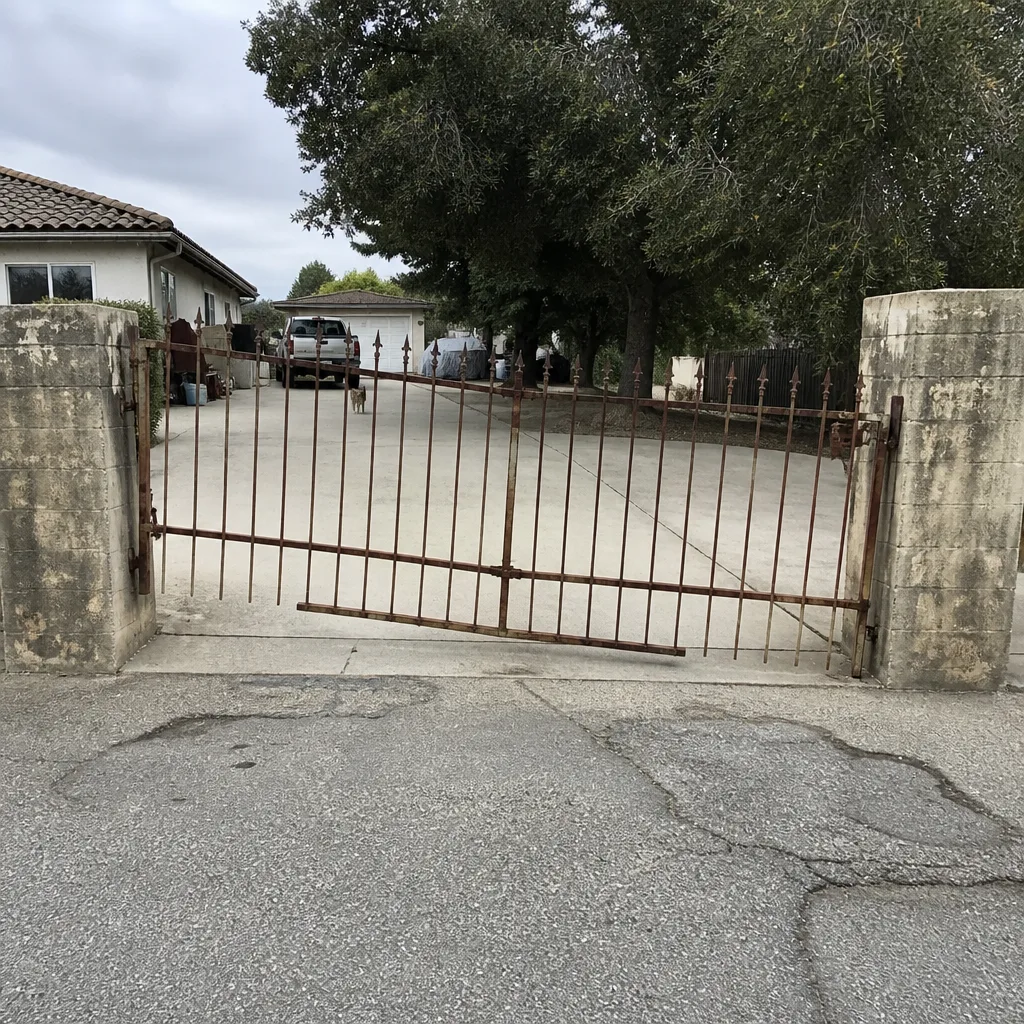 Before
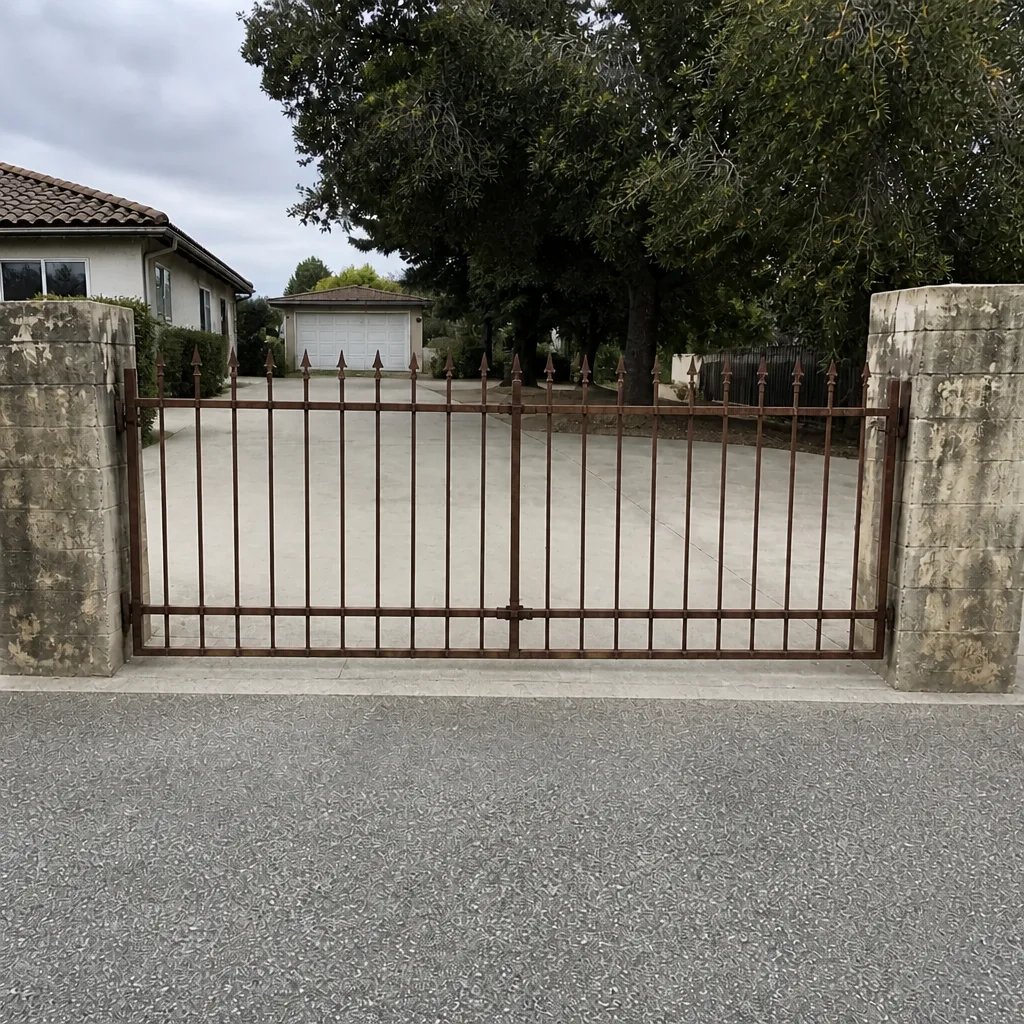 After
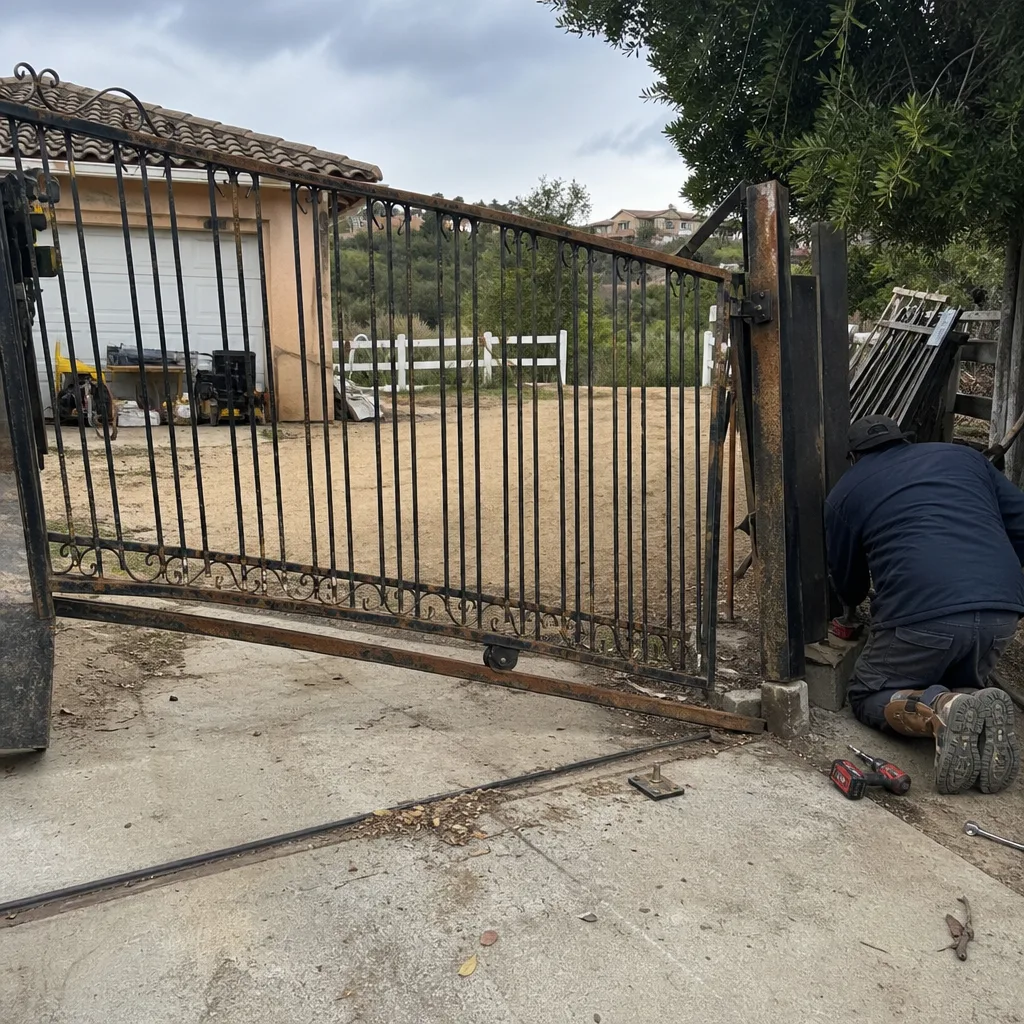 Before
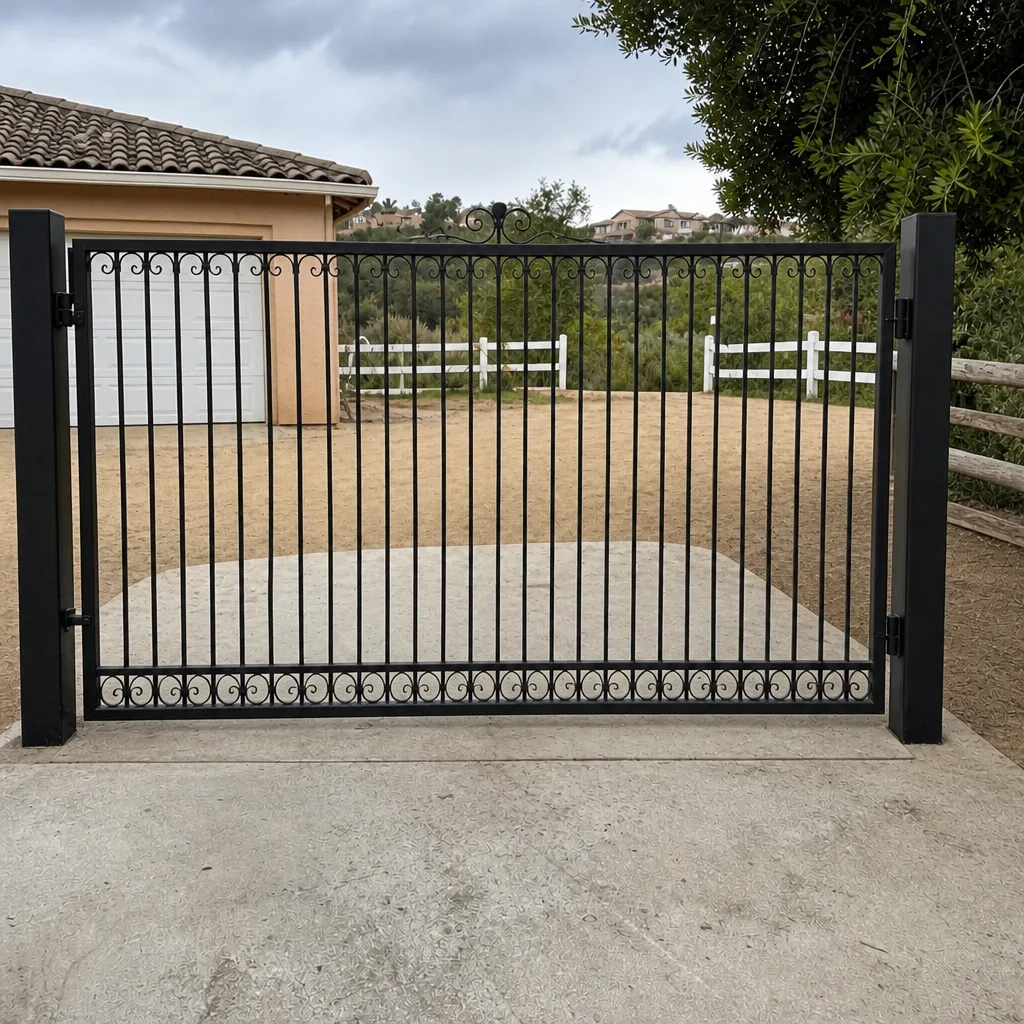 After
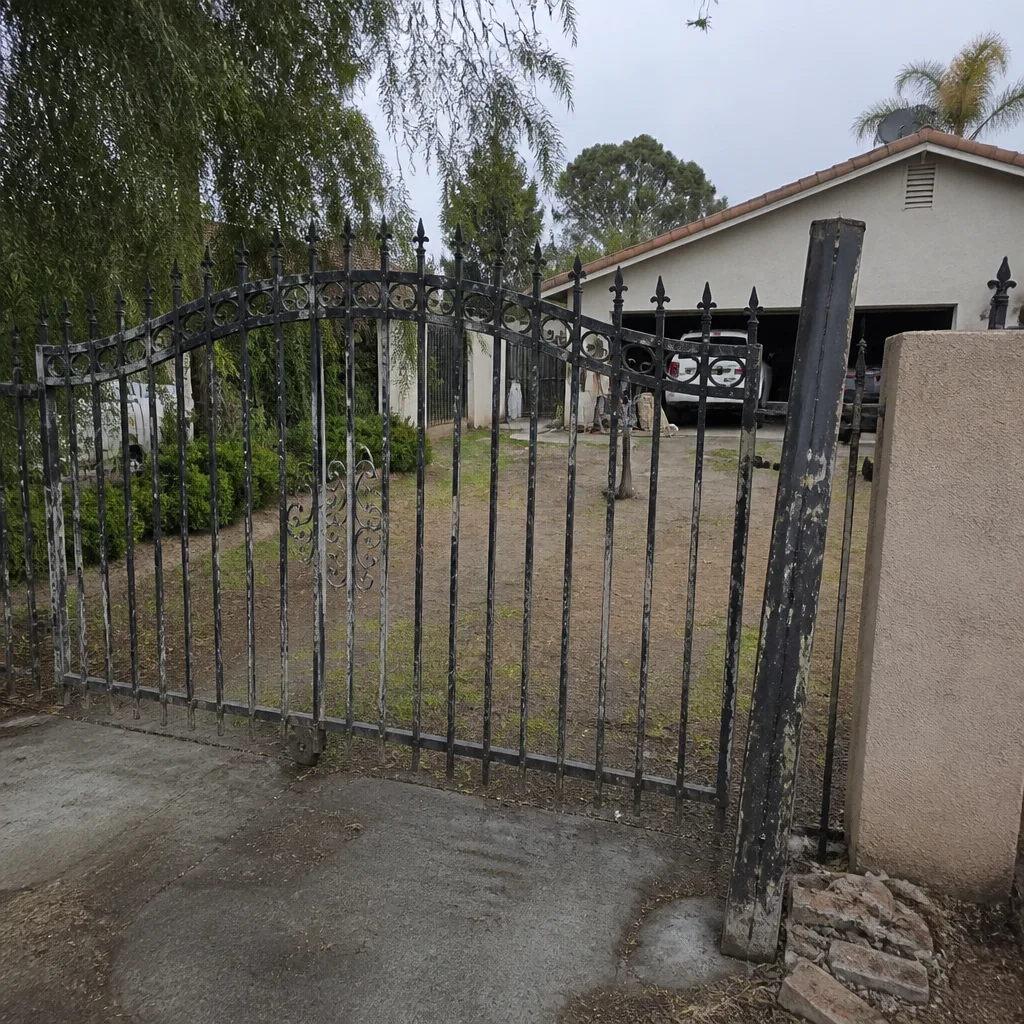 Before
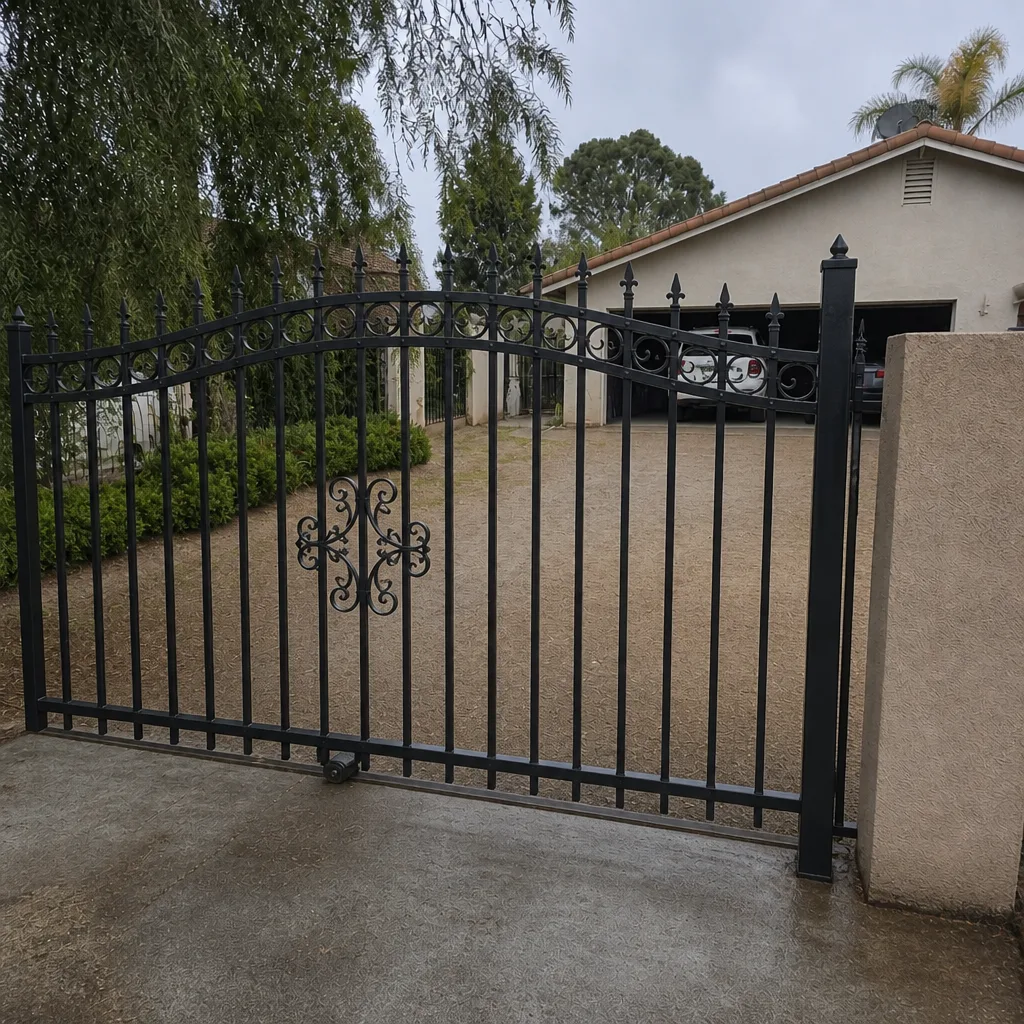 After