
Last updated November 4, 2026
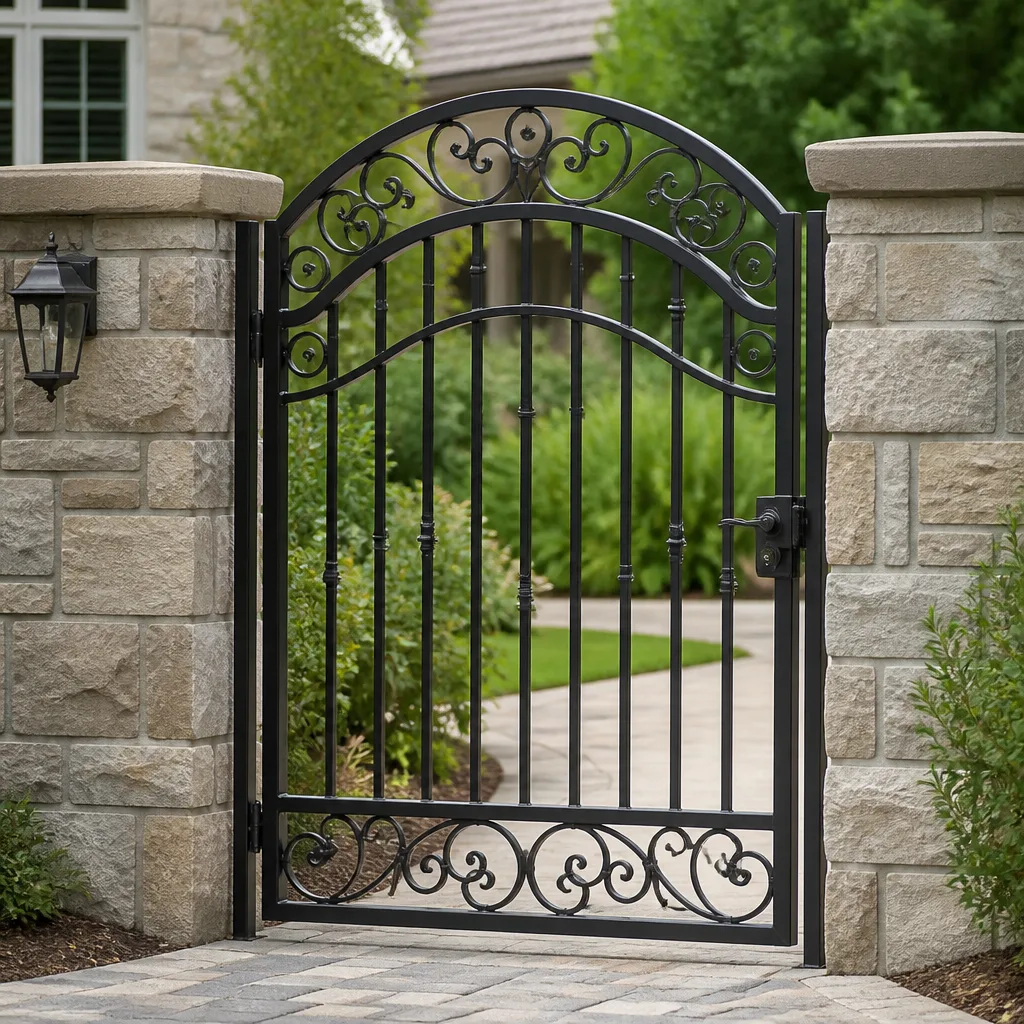 Wrought iron
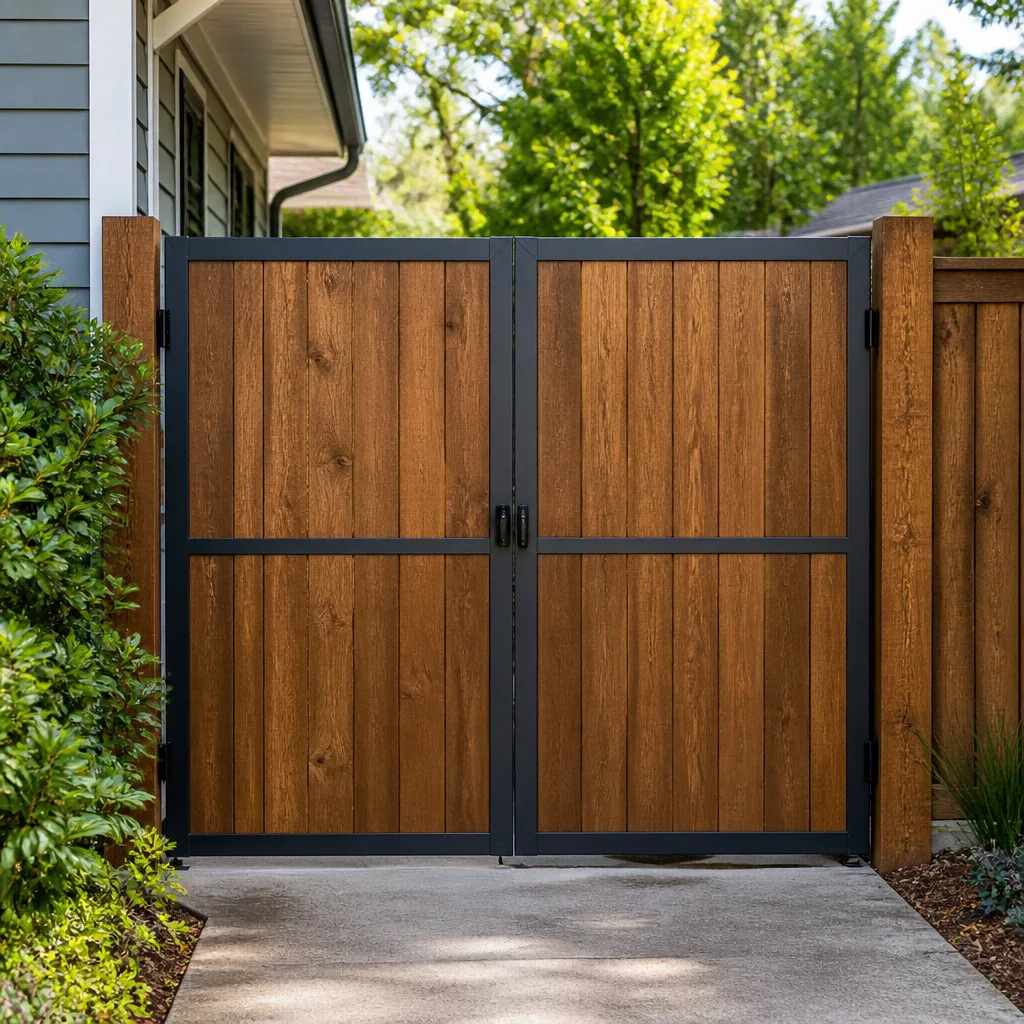 Wood & steel frame
 Farm & ranch
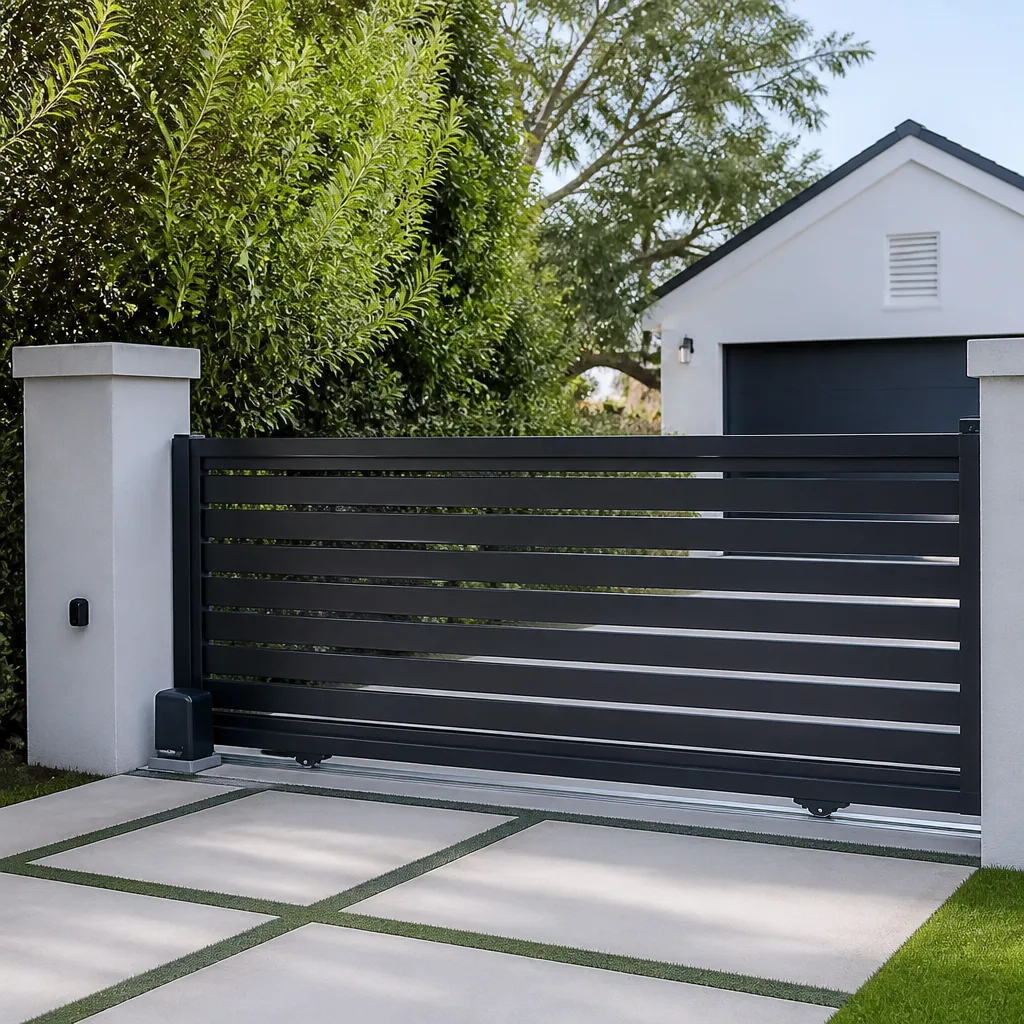 Sliding driveway gates
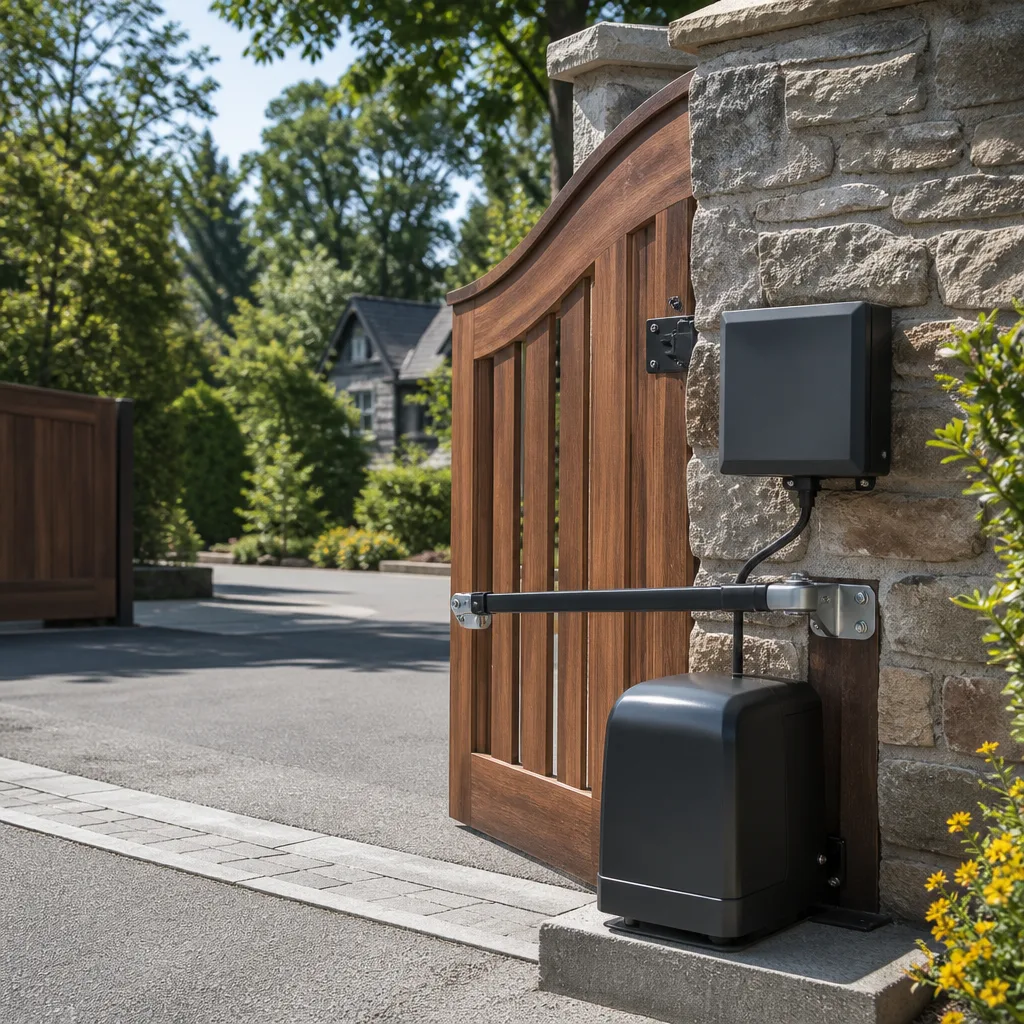 LiftMaster operators
Free on-site gate assessment - hinges, posts, and your LiftMaster or Nice gate operator checked before anything is quoted
The assessment is free and the quote is the invoice.
Get your free estimateGate Repair Permits, Codes & Inspections in Temecula, CA: What You Need to Know
Most Temecula homeowners assume a gate repair is a gate repair. Swap a hinge, replace a circuit board, done. The part nobody talks about is this: the moment you replace the operator on an automated gate, not just patch the old one, you may have crossed from repair into installation. And installation is where Title 24, Riverside County code, and the City of Temecula building department all want a say. Worse, if that gate later strikes a vehicle or a person and the installation was never inspected, your insurance carrier has a reason to walk away from the claim. This guide maps exactly which gate work triggers a permit in Temecula, what inspectors actually check, and how to handle a gate that was never compliant to begin with.
Styles & brands we work with
- Wrought iron
- Wood & steel frame
- Farm & ranch
- Sliding driveway gates
- LiftMaster operators
Quick Answer
In Temecula, most gate repairs are exempt from permits: replacing a hinge, a wheel, a keypad, a circuit board, or rewiring a photocell does not require city approval. A permit is triggered when you replace the entire gate operator (the motor unit) or install a new automated gate system, because that work must be verified against UL 325 entrapment-protection standards. The inspection is usually done by a Riverside County building inspector, and it focuses on sensor placement, force settings, and warning signage. HOA approval runs as a separate, parallel track in many Temecula planned communities and can stop the project even when the city says yes. Call (877) 358-4544 for a free estimate on any gate work in Temecula.
Table of Contents
- What Gate Work Triggers a Permit in Temecula?
- The Repair vs. Installation Line: Where Code Really Kicks In
- UL 325 Entrapment Protection: What Inspectors Verify for Swing and Slide Gates
- HOA Approval in Temecula: The Parallel Track That Can Stop Your Gate
- What Happens During a Riverside County Gate Operator Inspection
- Pre-Existing Non-Compliant Gates: The Repair-in-Kind Exception
- Common Mistakes to Avoid
- When to Call a Professional
- Frequently Asked Questions
- The Bottom Line
What Gate Work Triggers a Permit in Temecula?
The simple rule we give gate repair customers in Temecula is this: if you are restoring the existing system to working condition with replacement parts of the same type and rating, it’s a repair and no permit is required. If you are changing the nature of the system – replacing the operator, adding automation to a manual gate, or installing a new gate from scratch – you’ve moved into installation territory, and that’s where the City of Temecula building permit requirement attaches.
Here’s the breakdown in plain terms:
- No permit needed: Hinge replacement, wheel or roller replacement, track adjustment, keypad replacement, circuit board swap on an existing operator, photocell or safety-edge replacement, rewiring of low-voltage controls on an existing operator, and masonry or stucco repair that does not alter the gate structure.
- Permit typically required: Full gate operator replacement (swapping the entire motor unit), converting a manual gate to an automatic gate, installing a new gate and operator together, and any structural work that changes the gate’s clearance, weight, or footprint.
- Maybe – ask first: Moving an existing gate to a new location, changing a slide gate to a swing gate or vice versa, or modifying the gate panel material in a way that changes its weight. These sit in a gray area, and the building department can tell you where your specific job lands.
A permit in Temecula is not a punishment. It’s the mechanism that triggers an independent inspection, and that inspection is your proof that the gate was installed the way the code requires. When a gate operates without that record, the homeowner carries the liability risk silently.
The Repair vs. Installation Line: Where Code Really Kicks In
The permit threshold in Temecula is not about how much you spend. It’s about what you’re doing to the system. A $4,000 circuit board replacement on a commercial-grade operator is a repair. A $600 budget operator swap on a residential swing gate is an installation. The cost is irrelevant. The scope is everything.
California’s Title 24 building code, which Riverside County and the City of Temecula adopt and enforce, requires permits for work that involves the “installation, alteration, or replacement” of electrical equipment and automatic gate operators. Replacing a burned-out control board falls under “repair” because the operator housing, motor, and safety system remain unchanged. Pulling the entire operator off its mount and bolting on a new unit changes the safety profile of the gate, and that’s exactly what the inspection is designed to verify.
In our experience, this is where well-meaning homeowners and even general contractors get it wrong. They assume a replacement operator is just a bigger repair. The building department does not see it that way, and an insurance adjuster looking at a claim will not see it that way either. If a gate strikes a car, a child, or a delivery driver, one of the first questions asked is whether the automated system was permitted and inspected. If the answer is no, the homeowner’s exposure changes.
This is also why we recommend working with an electric gate repair specialist who knows which jobs cross the line and which ones do not. The permit question is not a bureaucratic detail. It’s the line between a documented, defensible installation and a liability you did not know you were carrying.
UL 325 Entrapment Protection: What Inspectors Verify for Swing and Slide Gates
UL 325 is the national standard for automated gate operator safety. It exists because gates are heavy enough to hurt someone, and the motor that moves them does not stop on its own unless it’s told to. Every gate operator installed in Temecula must comply with UL 325, and the inspector’s job is to verify that compliance is real, not just claimed.
Here’s what the inspector checks on a swing gate:
- Entrapment sensors at the leading edge and hinge side. A swing gate has pinch points where the gate panel meets the post and along the bottom edge as it opens. The inspector verifies that sensors or safety edges are installed at each hazard point, not just at one.
- Force settings. The operator must reverse when it encounters resistance above a set threshold. The inspector may use a gauge to verify the gate reverses before applying enough force to injure.
- Warning signage. Each side of the gate needs a visible warning about automatic operation and keeping clear.
- Photo eyes or presence sensors in the gate’s travel path, wired to stop and reverse movement if a person or vehicle breaks the beam.
For a slide gate, the list shifts:
- Travel-path sensors. A slide gate’s danger is the open edge pinning someone against the fence or wall. Sensors along the leading edge and the trailing edge stop the gate before that happens.
- Track and roller condition. The inspector verifies the gate rolls true and cannot derail under motor load. A slide gate that comes off its track is a serious hazard, and the entrapment protection cannot compensate for a derailed panel.
- Wire and conduit integrity. Because a slide gate travels linearly, the wiring for the operator and sensors runs along the fence line. The inspector checks that it is anchored, protected, and out of the gate’s path.
- Warning signage on both the moving panel and the fixed fence or wall alongside it.
We work on the system you already have, including Linear, Viking, Ghost Controls, and DoorKing operators, and we’ve seen inspectors fail installations over a missing warning decal more often than over a sensor. The small details count because they’re the details a lawyer will ask about later.
HOA Approval in Temecula: The Parallel Track That Can Stop Your Gate
Temecula is a city of planned communities. Redhawk, Harveston, Morgan Hill, Paseo del Sol, Paloma del Sol – these neighborhoods carry architectural guidelines that govern gates, fencing, and anything visible from the street. That means a gate project in Temecula can require two separate approvals: the city permit for the operator and structure, and the HOA’s design review for appearance, height, materials, and setback.
The two tracks do not always agree. A city permit may allow a gate height that the HOA rejects as incompatible with the neighborhood’s look. An HOA may require solid ornamental iron while the city only cares about safety clearances. It happens regularly, and the order of operations matters. We always advise homeowners to check the HOA guidelines first, then apply for the city permit. The reverse order risks approving a design the HOA then vetoes, and now you’re resubmitting city paperwork too.
HOA rules in Temecula also run deeper than aesthetics. Many require that any new automatic gate be invisible from the street, or that the operator be screened by landscaping. Some restrict certain operator brands or require specific noise ratings. A few planned communities require a survey and a professional drawing submission before they’ll even schedule a review. None of this shows up in the city’s permit packet, which is why the HOA track catches people off guard.
If you’re in an HOA, treat the design review as a hard gate on your timeline, not a rubber stamp. Get the requirements in writing before you buy equipment.
What Happens During a Riverside County Gate Operator Inspection
Once a permit is pulled and the gate work is done, the county schedules an inspection. The inspector’s job is not to redesign your gate – it’s to verify that what was permitted is what was built, and that the installation meets the safety code. The process is usually short, but it helps to know what the inspector will walk through so there are no surprises.
A typical Riverside County gate operator inspection covers these items, in roughly this order:
- Permit card on site. The inspector checks the posted permit number against the work. If the card isn’t visible, many inspectors will reschedule rather than proceed.
- Operator identification. The inspector notes the make, model, and voltage of the operator and confirms it matches the permit description.
- Entrapment protection verification. Using the UL 325 checklist for the gate type (swing or slide), the inspector tests each sensor, safety edge, photo eye, and the manual release.
- Force setting test. The gate is operated against resistance to verify it reverses before applying dangerous force.
- Warning signage. Both sides of the gate, visible, legible, and mounted at the required height.
- Electrical inspection. The wiring, conduit, disconnect, and ground are checked for code compliance. Improper wire gauge is a common fail point.
- Structural check. Posts, hinges, track, and gate panel are examined for sound mounting. A loose post or sagging panel will fail the inspection because it compromises the safety system.
The inspection itself usually takes under half an hour. The most common reasons for a failed first inspection in our experience: missing signage, a photo eye that is wired to reverse in the wrong direction, and an operator force setting that is too high. All three are correctable on the spot or with a quick service call.
If a gate fails inspection, the fix is scheduled and a re-inspection is requested. It’s not a mark against you. It’s the system working the way it’s supposed to.
Pre-Existing Non-Compliant Gates: The Repair-in-Kind Exception
Here’s the situation we see often in Temecula: a homeowner buys a house with an automated gate that was installed years ago, possibly before current UL 325 standards tightened. The gate works, or mostly works, but it lacks modern entrapment protection. Then something breaks – an operator board, a safety edge, a keypad – and the owner calls for repair. What happens now?
In most cases, the repair-in-kind exception applies. You are allowed to repair the existing system back to working condition without triggering a full permit and re-inspection as long as the repair does not replace the operator itself and does not make the gate less safe than it was before. Replacing a broken keypad on an older system is a repair in kind. Replacing the entire operator is not.
This exception is practical, not a loophole. It recognizes that forcing every old gate through a full permit and inspection cycle for a simple repair would create an unreasonable burden. But it also has a boundary, and that boundary is the operator. If the motor unit must be replaced, the building department treats the job as a new installation, and the new operator must meet current UL 325 entrapment protection standards, including sensors and warning signage that the old system may never have had.
The practical effect: you can keep an old gate alive for years with repairs in kind, but the moment the operator itself dies, the new one has to be brought up to current code. That often means adding photo eyes or safety edges that weren’t there before, rewiring sensors, and pulling a permit. A gate specialist familiar with brands like Linear and Ghost Controls can tell you where your existing system stands and what a replacement will require before you spend a dollar.
Common Mistakes to Avoid
- Assuming a replacement operator is a repair. It isn’t. Swapping the motor unit is an installation, and it triggers the permit and inspection requirement. Skipping this step gives your insurance carrier a reason to deny a future claim.
- Getting HOA approval after the city permit. In Temecula’s planned communities, the architectural review can reject a design the city already approved. Check the HOA guidelines first, then pull the city permit.
- Skipping the warning signage. Inspectors check for it, and it’s the cheapest thing on the checklist. A missing decal has failed many a gate inspection.
- Using oversized wire for low-voltage runs, or undersized wire for the operator feed. Both cause problems: signal degradation on sensor circuits and voltage drop at the motor. The inspector looks at the wire gauge.
- Setting the operator force too high to overcome a sagging gate. This is a hazard. The gate should be mechanically corrected, not forced harder. Inspectors will test the reverse pressure and can fail the installation.
- Leaving the manual release inaccessible. The UL 325 standard requires a way to manually operate the gate if the power fails. If the release is missing or locked away, the gate fails.
- Hiring a generalist for automated gate work. Gates are all we do, and the reason matters: a general contractor who doesn’t know Linear from DoorKing from Mighty Mule is likely to misdiagnose the safety system as well. An electric or automated gate needs a specialist who understands low-voltage controls, entrapment protection, and operator programming.
When to Call a Professional
If your gate has an operator that is more than a few years old, has no visible warning signage, lacks photo eyes or safety edges, or reverses with more force than it should, you’re carrying compliance risk right now, even if the gate works. A professional can assess what you have against current UL 325 requirements and tell you whether a repair-in-kind path is available or whether the next failure will trigger a full permit and inspection cycle.
Other situations that warrant a call: the gate has struck a car or a person and you aren’t sure whether the safety system is functioning, the HOA has flagged your gate for review, or the operator is failing intermittently and you can’t tell whether it’s the board, the motor, or the sensors. Brand-trained, not brand-locked – we diagnose first and recommend second. Gate Repair Temecula offers free estimates in Temecula – call (877) 358-4544.
Frequently Asked Questions
No, replacing a circuit board, keypad, sensor, or safety edge on an existing operator is a repair and does not require a permit in Temecula. A permit is required when you replace the entire operator unit or install a new automated system. Call (877) 358-4544 for a free estimate and we’ll tell you which category your job falls into.
UL 325 is the national safety standard for automatic gate operators, and it requires entrapment protection like sensors, safety edges, and force limits that reverse the gate before it can injure someone. Riverside County inspectors verify UL 325 compliance on every permitted gate installation. A non-compliant gate is a liability exposure for the property owner.
Repairs that restore the gate to its original appearance and function usually do not require HOA approval, but any change to height, materials, color, or the addition of a new operator may trigger design review in Temecula’s planned communities. Check your HOA guidelines before you proceed.
No, replacing the entire operator unit crosses the line from repair to installation, and that work requires a City of Temecula permit and a Riverside County inspection. The new operator must meet current UL 325 entrapment protection standards even if the old one did not.
The inspector notes exactly what is wrong, typically missing signage, incorrect sensor wiring, or excessive force settings, and you correct the issue and schedule a re-inspection. Most failures are quick fixes, and the re-inspection is usually straightforward. Call (877) 358-4544 for a free estimate – we’ve corrected many failed inspections in Temecula.
The timeline varies with the city’s workload and HOA review timelines, but a simple operator replacement typically moves through permit issuance, installation, and inspection within a few weeks. HOA design review can run parallel and often takes longer than the city process. We answer 24/7. Fast dispatch from 7am to 7pm, Sunday through Friday.
The Bottom Line
A gate is a machine with real mass and real motor force, and the permit and inspection system in Temecula exists because that combination can hurt someone. The line between repair and installation is where your liability exposure lives, and it’s a line most homeowners don’t know exists. Repair in kind keeps your old gate alive without a permit. A new operator changes the game, brings UL 325 into the picture, and requires an inspection. HOA rules run on a separate track in many Temecula neighborhoods and can stop a project even when the city approves it. The goal is simple: a gate that works, complies, and does not create a legal problem you didn’t know you had. We work on the system you already have. If you need clarity on where your gate stands, call (877) 358-4544 for a free estimate.
Written by the team at Gate Repair Temecula, serving Temecula since 2016.
See the difference
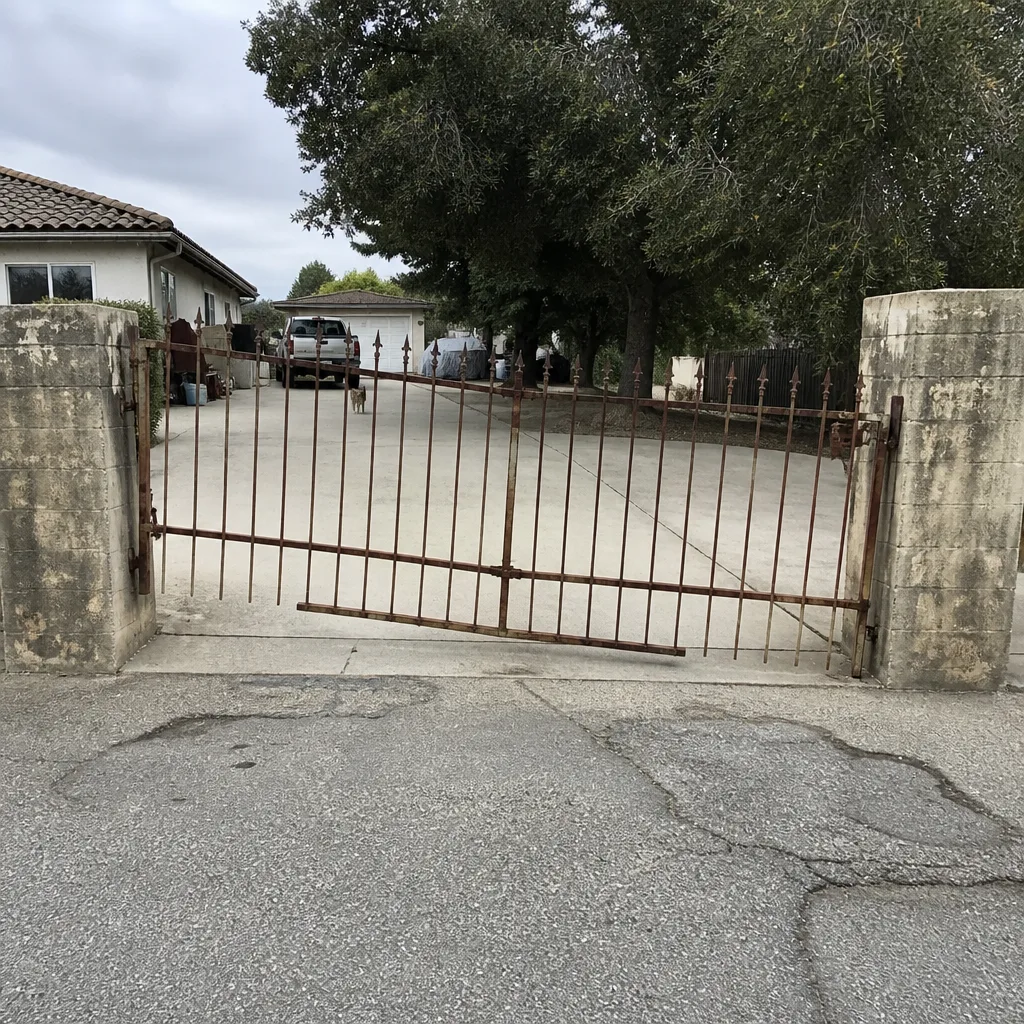 Before
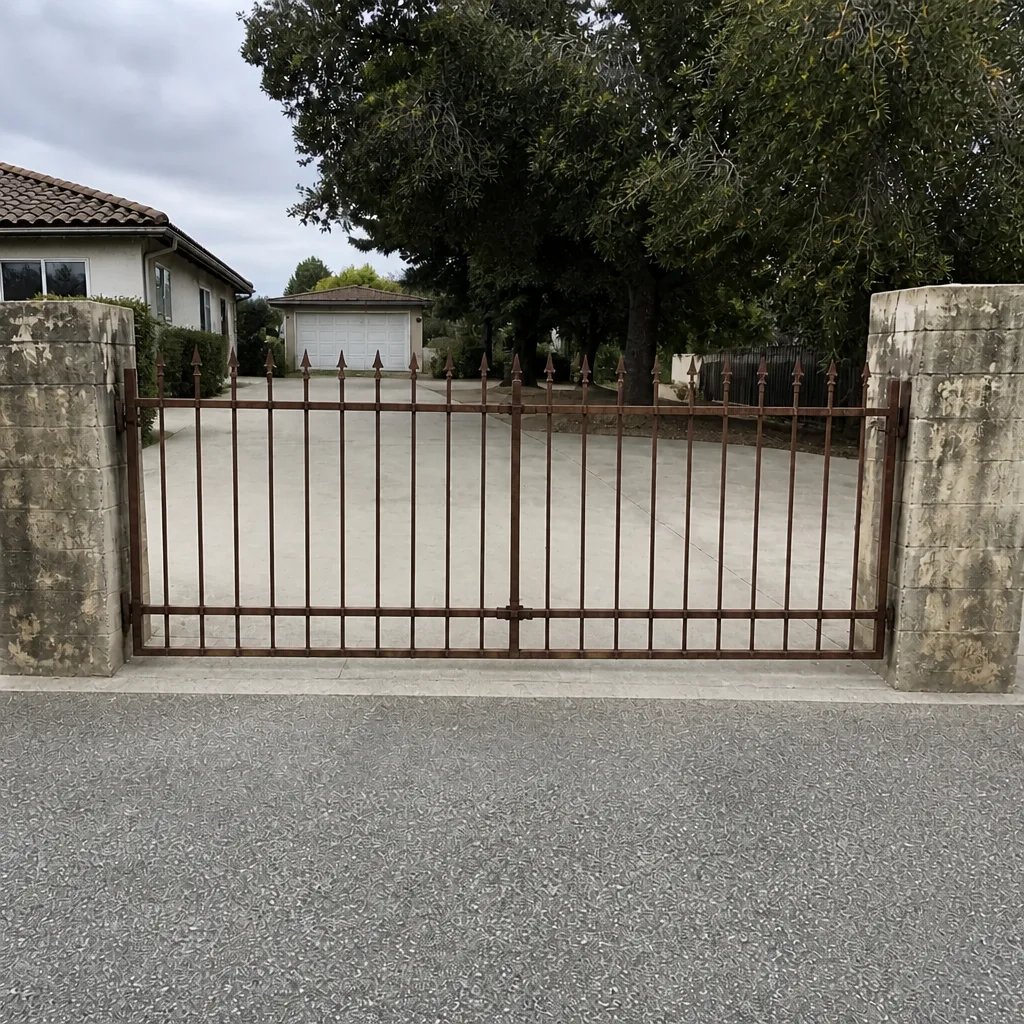 After
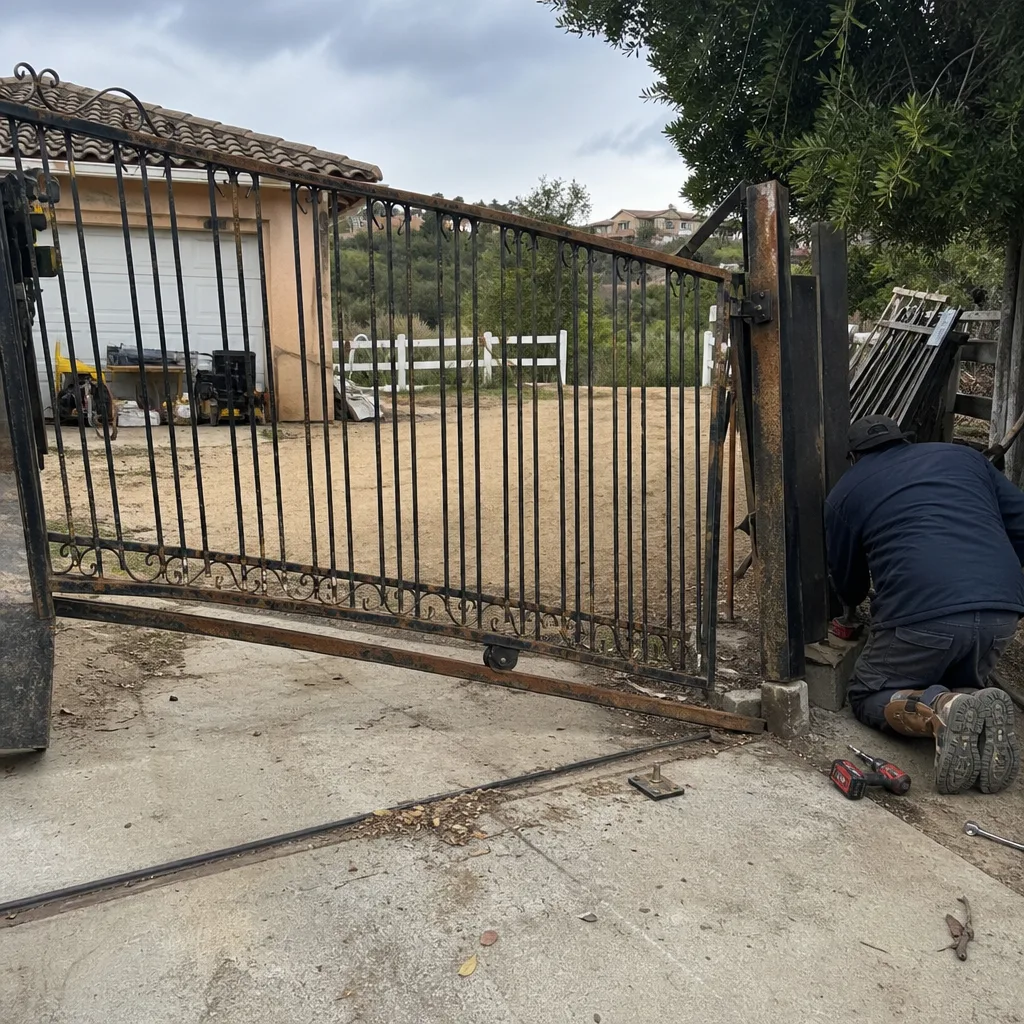 Before
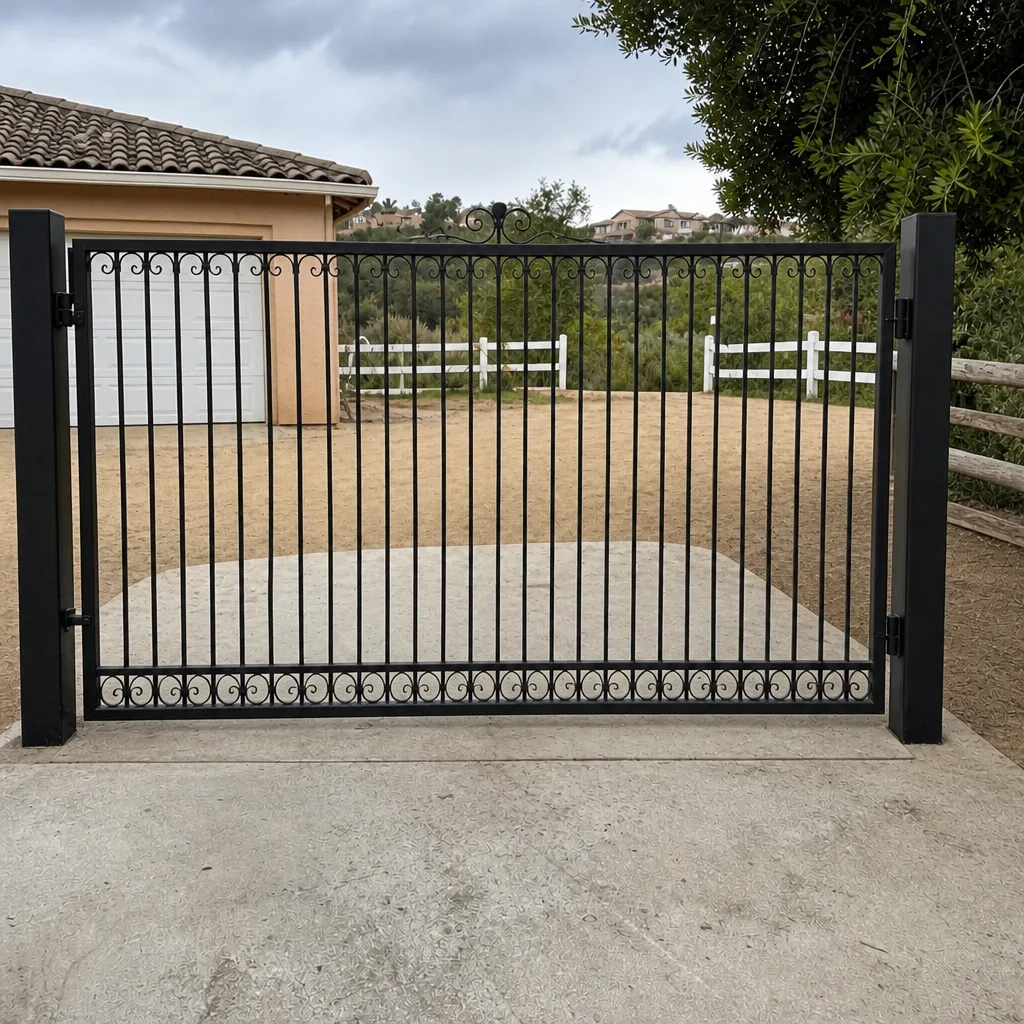 After
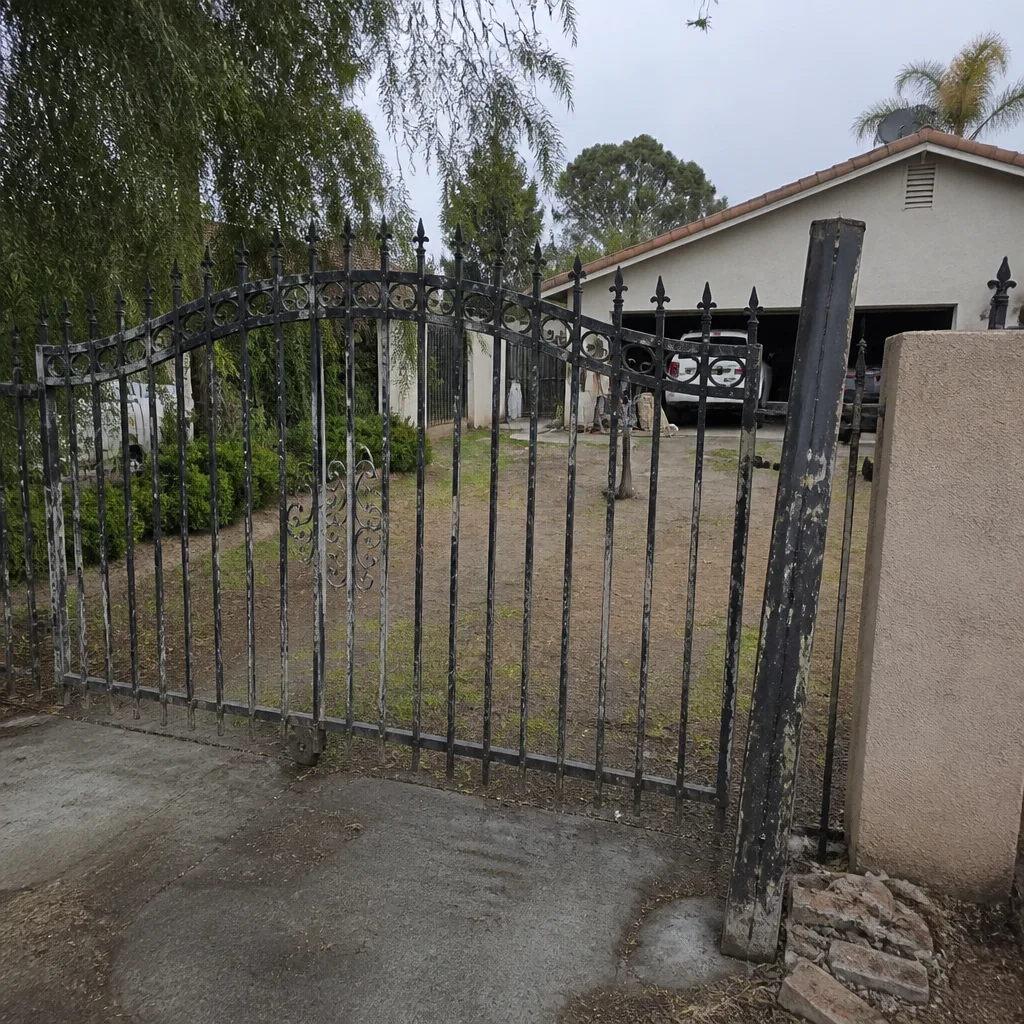 Before
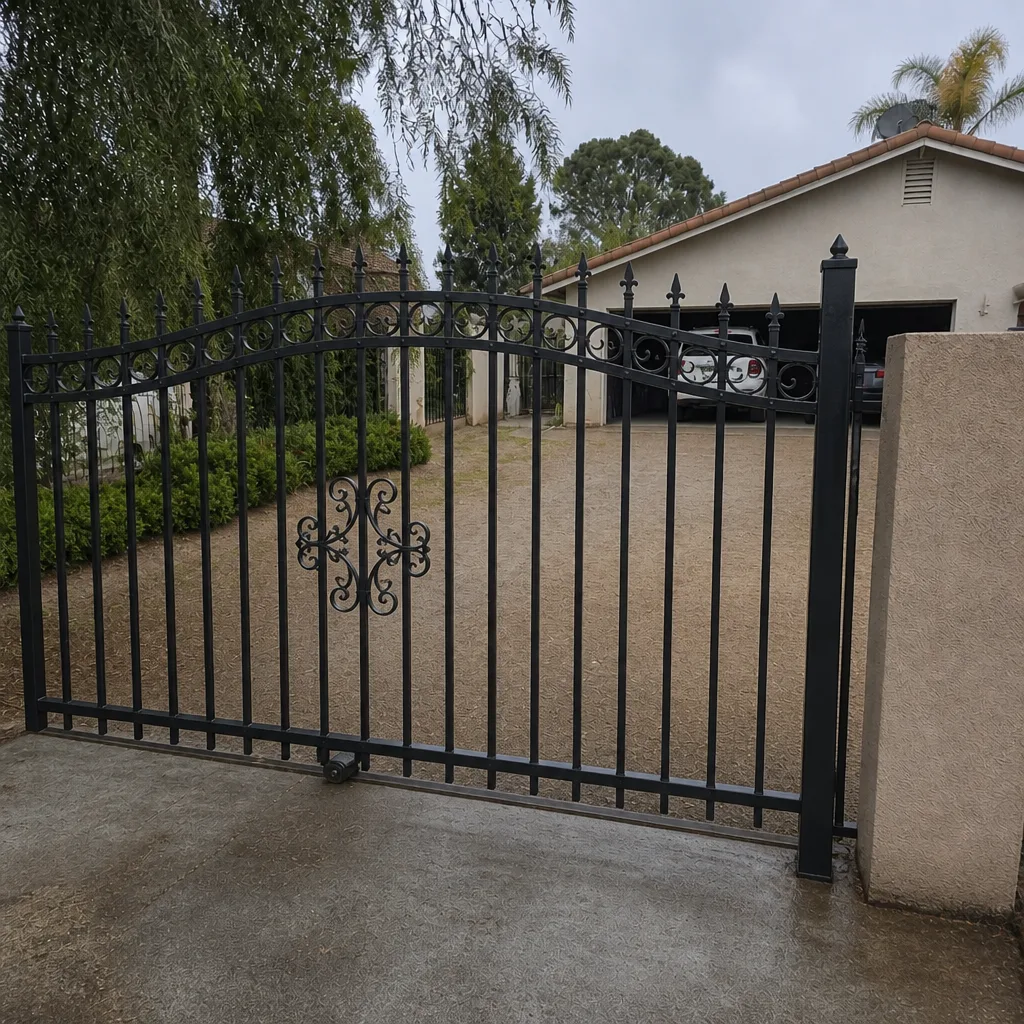 After