
Last updated November 4, 2026
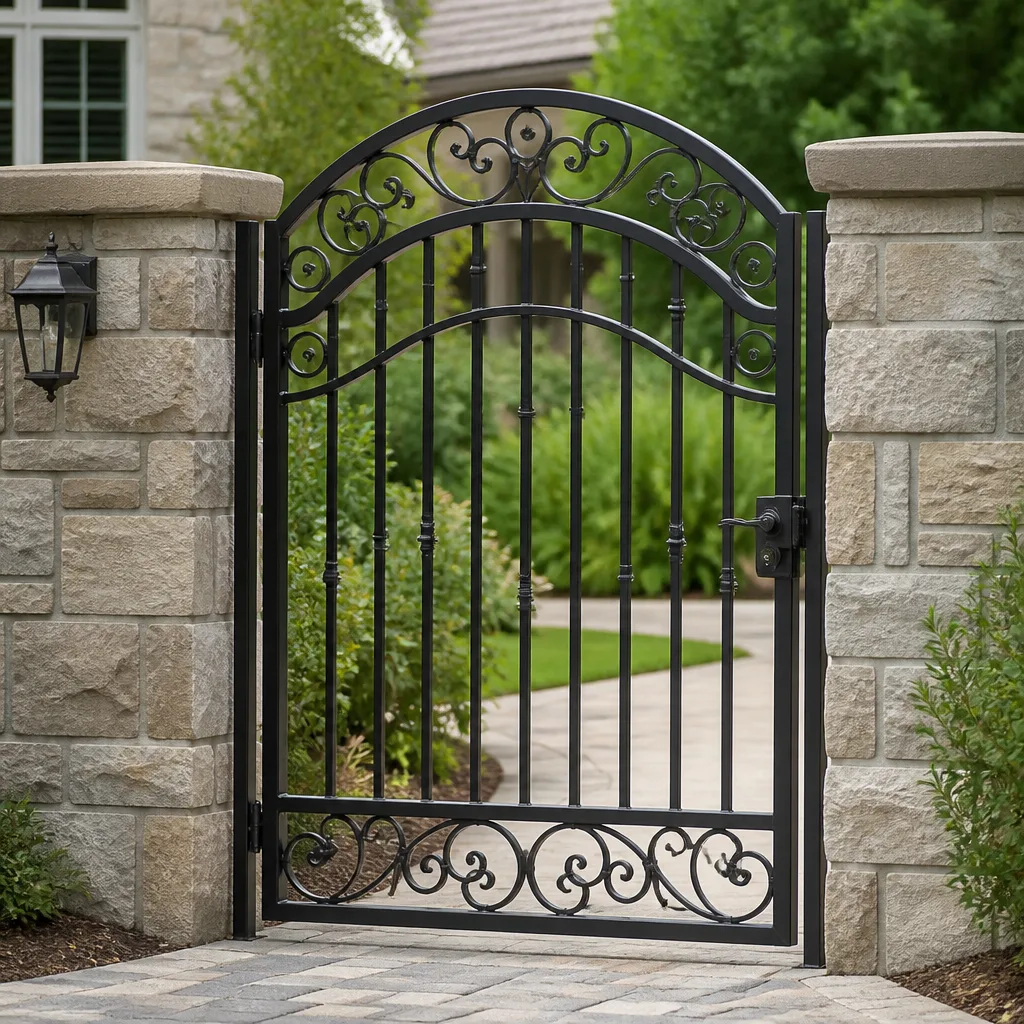 Wrought iron
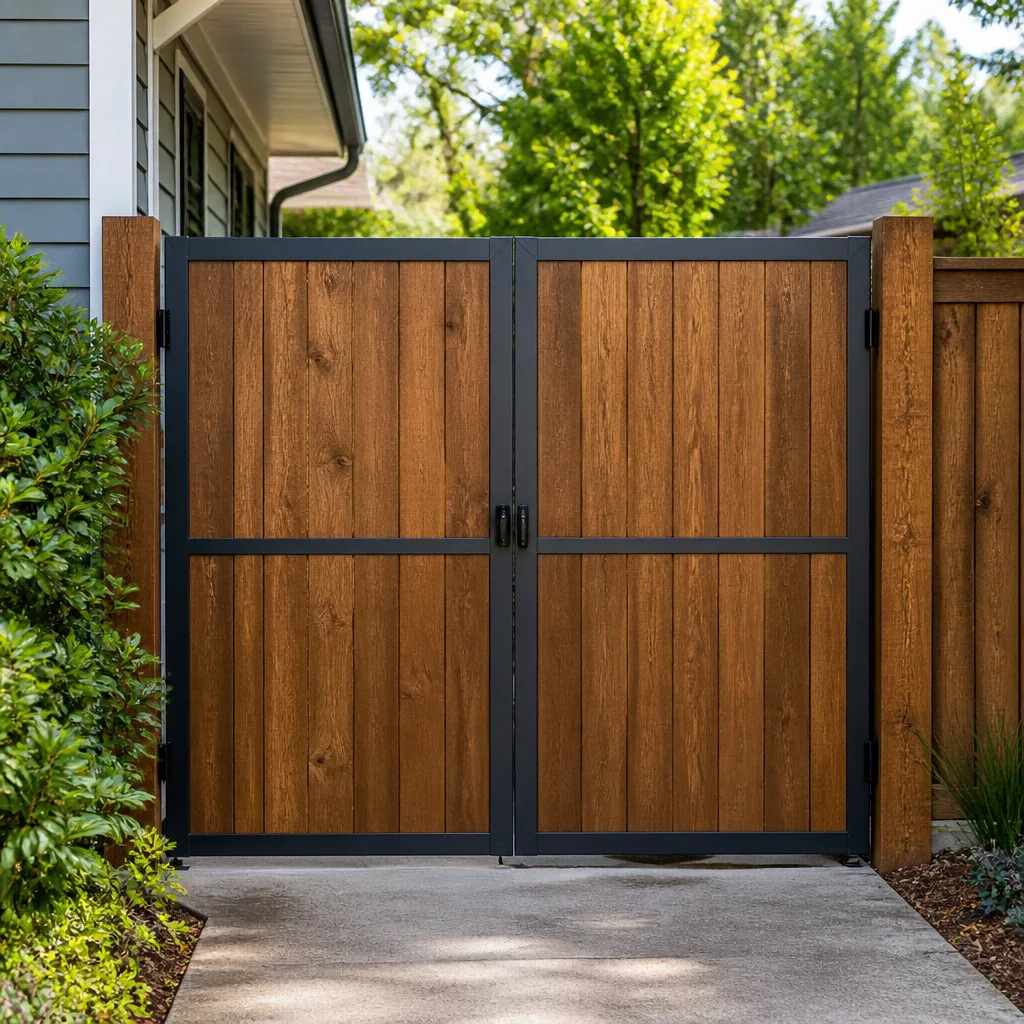 Wood & steel frame
 Farm & ranch
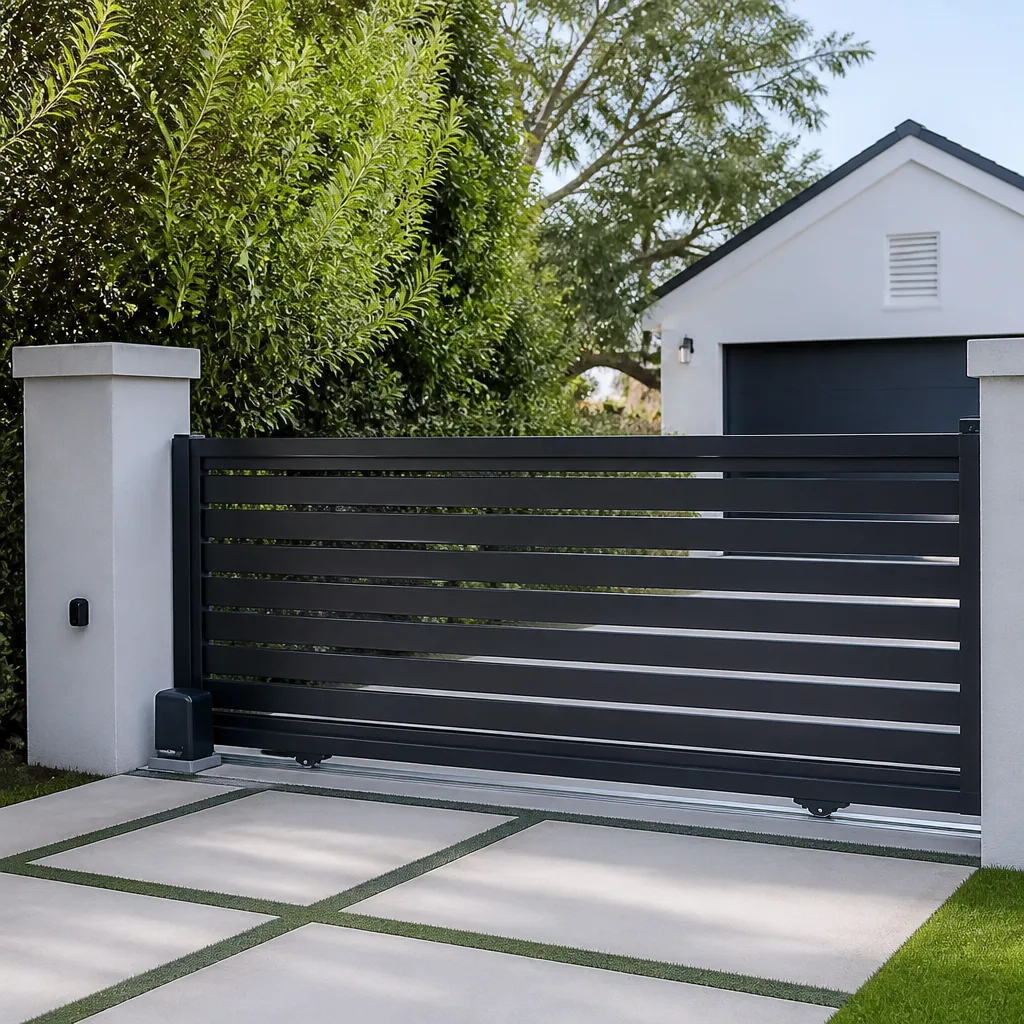 Sliding driveway gates
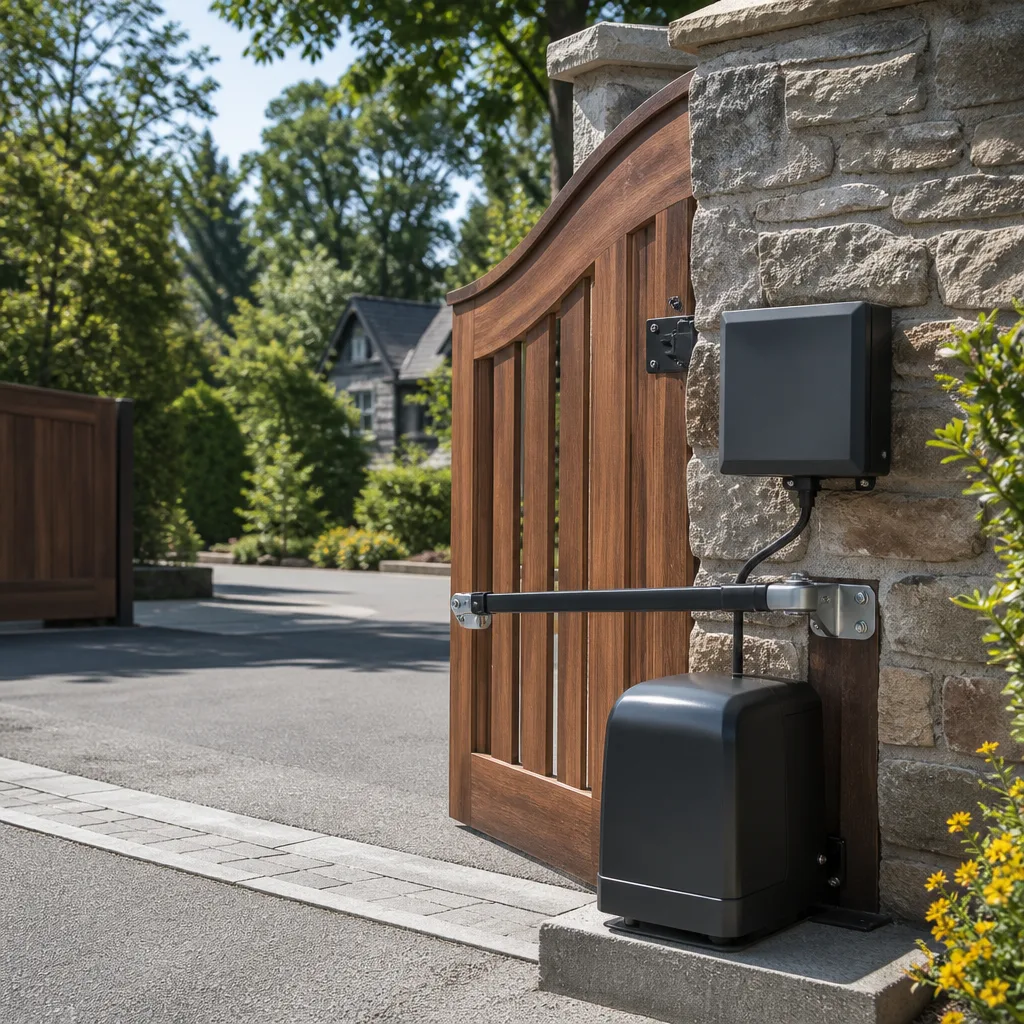 LiftMaster operators
Free on-site gate assessment - hinges, posts, and your LiftMaster or Nice gate operator checked before anything is quoted
The assessment is free and the quote is the invoice.
Get your free estimateGate Repair Troubleshooting in Temecula: Common Problems and How to Fix Them
Here’s a counterintuitive fact about gate repair most people don’t realize until they’re standing in front of a dead control board: a gate that won’t open and a gate that reverses halfway often share the same failing part. Both symptoms frequently trace back to limit switch calibration, not the motor itself. What looks like a catastrophic failure is often a ten-minute adjustment. This guide walks through the five root causes behind most Temecula gate failures, organized by what you actually see and hear, so you can narrow the problem before touching anything.
Quick Answer
Most gate failures in Temecula stem from one of five issues: miscalibrated limit switches, failing capacitors, control board damage from summer heat, obstruction sensor faults, or worn mechanical components. Start by identifying the exact symptom – won’t open, won’t close, reverses, runs slow, or makes noise – then work through the matching diagnostic path below. Many fixes are simple resets; others require component replacement before the gate becomes a safety hazard.
Styles & brands we work with
- Wrought iron
- Wood & steel frame
- Farm & ranch
- Sliding driveway gates
- LiftMaster operators
Table of Contents
- Symptom-to-Cause Decision Tree
- Temecula Heat and Control Board Failures
- Soft Obstruction Faults vs. Hard Limit Faults
- Safe DIY Resets vs. Must-Replace Components
- Brand-Specific Diagnostic Steps
- Common Mistakes to Avoid
- When to Call a Professional
- Frequently Asked Questions
Symptom-to-Cause Decision Tree
Think of gate troubleshooting as a branching path, not a checklist. The symptom tells you which branch to walk. Here’s how we diagnose every call we take in Temecula, from the simplest manual gate to a full commercial automated system.
Gate Won’t Open at All
- Dead control board: No lights, no clicks, no response. Check the breaker first, then look for a tripped GFCI outlet near the operator housing.
- Failed capacitor: The board has power and you hear a faint hum, but the motor doesn’t turn. Capacitors fail quietly and often get misdiagnosed as motor failure.
- Thermal shutdown: The gate worked earlier today, then quit during an afternoon when temperatures climbed above 100°F. Let it cool for 20 minutes and try again. If it works, the board is overheating and needs ventilation or replacement.
- Hard limit fault: The board shows a flashing error code. The gate thinks it’s already open or already closed, so it refuses to move. This is a limit switch issue, not a motor issue.
Gate Won’t Close Fully
- Obstruction sensor fault: Something is breaking the photoelectric beam or pressure edge. Check for overgrown brush, debris, or a sagging sensor bracket. In Temecula, dirt and dust from dry summer conditions collect on sensor lenses faster than people expect.
- Miscalibrated close limit: The gate closes most of the way, then stops short or reverses. The limit switch thinks the gate has reached the closed position when it hasn’t.
- Worn roller or track obstruction: Physical resistance triggers the reversing mechanism. Rollers grind down slowly over time, so the gate gets progressively worse instead of failing all at once.
Gate Reverses Before Closing
This is the symptom most often misread. The gate reverses because the safety system detects resistance or obstruction. That resistance can come from a real obstacle – or from a failing component inside the gate itself. A reversible gate with a failing limit switch will reverse at the same spot every time, even with a clear path. A reversible gate with an actual obstruction will reverse at different points depending on where the obstruction sits.
Gate Runs Slow
- Low voltage to the motor: This is common in Temecula where gate runs from the house to the back of a larger lot sometimes exceed 100 feet. Long wire runs create voltage drop that makes the motor labor.
- Capacitor degradation: A weakening capacitor delivers less starting torque. The gate moves, but sluggishly, and eventually won’t start at all.
- Lack of lubrication on chain or screw drive: Dry mechanical parts add resistance. This is regular wear, not a part failure, and responds to maintenance.
Gate Makes Noise
- Grinding: Typically a gear or chain issue. Grinding gets worse under load, which means the gate is heavier than the drive can handle or a gear is worn past tolerance.
- Squealing: Usually a belt slipping or a bearing running dry. Squealing often precedes outright failure.
- Clicking with no movement: The control board relay is engaging but the motor isn’t turning. This points to the capacitor or the motor’s start winding.
Temecula Heat and Control Board Failures
Temecula summers routinely push past 100°F, and that heat changes how electronic gate components behave. Control boards, capacitors, and transformers sit inside metal operator housings that absorb direct sunlight all afternoon. Internal temperatures can exceed 140°F even when the outside air reads 105°F.
Heat degrades circuit boards through thermal cycling. Components expand during the day and contract at night. Over several summers, solder joints develop microscopic cracks, and capacitors dry out faster than their rated lifespan predicts. The failure looks like a motor problem – the gate won’t respond – but the true cause is a board that can no longer deliver consistent power.
Thermal shutdown is a specific failure mode we see in Temecula that you rarely encounter in coastal cities. The board overheats, a thermal protection circuit trips, and the gate goes dead. The homeowner waits, tries again an hour later, and the gate works. That’s not a fluke. That’s a board warning you it’s on borrowed time.
What you can do: if your gate fails on a hot afternoon but works the next morning, note the pattern and call a gate technician. The board likely needs replacement or, in some cases, the operator housing needs better ventilation. Ignoring intermittent heat shutdowns eventually leads to a hard board failure that won’t recover.
Local Context for Temecula Homeowners
Many homes in Temecula neighborhoods – from Redhawk to Harveston to Paseo del Sol – sit on larger lots with gates that receive full western sun exposure. A gate facing west on a 105°F day absorbs heat for nearly eight hours straight. Gates under shade trees or on north-facing lots simply don’t experience the same thermal load. If your gate faces west and fails on summer afternoons, heat is your first suspect, not the motor.
Soft Obstruction Faults vs. Hard Limit Faults
Understanding this one distinction will save you more diagnostic time than any other single concept in gate repair. Every automated gate system reads two kinds of faults: soft faults and hard faults. They produce similar symptoms but demand completely different fixes.
Soft Obstruction Faults
A soft obstruction fault means the gate’s safety system detected resistance while moving and reversed to prevent damage or injury. The obstacle could be physical – a branch, a rock, a child’s toy – or environmental, like wind pushing against a solid gate panel. Soft faults reset automatically in most systems. Once the obstruction clears, the gate works normally again.
In Temecula’s dry season, soft faults spike. Dust coats the photoelectric sensor lenses, and the gate misreads a dirty lens as an obstruction. The fix is cleaning the lens, not replacing a part. Wind is another trigger, especially on wide driveway gates with solid panels. A sustained 20-mph gust can push hard enough that the operator reads it as resistance.
Hard Limit Faults
A hard limit fault means the gate’s travel limits are no longer telling the truth. The limit switch is miscalibrated, loose, or failed entirely. The board receives a signal saying the gate is somewhere it isn’t, so the gate refuses to move or stops at the wrong position. Hard faults don’t reset on their own. The symptom remains until someone physically adjusts or replaces the limit switch.
Here’s the practical distinction: if your gate reverses at random spots, look for an obstruction. If your gate reverses at the same spot every single time, look at the limit switch. That consistency is the tell.
Quick Comparison
- Soft fault reversal position: Varies – wherever the obstruction sits
- Hard fault reversal position: Same place every cycle
- Soft fault reset: Automatic once obstacle clears
- Hard fault reset: Requires manual adjustment or part replacement
- Common soft fault triggers: Dust, wind, debris, overgrown landscaping
- Common hard fault triggers: Worn limit switch, loose mounting bracket, broken internal contact
Safe DIY Resets vs. Must-Replace Components
Some gate fixes are genuinely safe for a homeowner to attempt. Others are not, and the distinction matters. Here’s our honest guidance on both sides of the line.
Safe DIY Resets
- Power cycle the operator: Turn off the breaker or unplug the operator for 30 seconds, then restore power. This clears transient board errors. It’s the gate equivalent of restarting your router.
- Check the GFCI outlet: Automated gates in Temecula are often wired to GFCI-protected outlets near the operator. If the outlet tripped, the gate is dead for a reason as simple as a power surge. Reset the outlet and test the gate.
- Clean the photoelectric sensor lenses: A soft, dry cloth removes the dust that triggers false obstruction faults. This single step resolves more gate problems in Temecula than any other homeowner fix.
- Clear visible debris from the track: If you can see gravel, dirt, or plant material in a slide gate track, sweeping it out is safe and often resolves hard-to-move symptoms. Turn the gate off before doing this.
- Check the remote battery: A dead remote battery mimics a dead gate. Replace the battery in the remote before calling anyone.
Must-Replace Components – Don’t Attempt These Yourself
- Control board replacement: Boards carry live voltage even with the gate unplugged, and wiring a new board incorrectly can destroy it instantly. Leave this to a gate technician.
- Capacitor replacement: Capacitors store an electrical charge that can discharge violently. Even a small capacitor can deliver a serious shock. This is not a DIY part.
- Limit switch replacement or recalibration: An improperly calibrated limit switch can cause the gate to overtravel and come off its track – a serious safety failure. The adjustment is precise and brand-specific.
- Any component inside the operator housing: The operator contains the motor, transformer, and high-voltage connections. Opening it exposes live wiring and energized capacitors. Gates are heavy enough to crush, and the electrical side is dangerous enough to kill. Call a professional.
A gate that reverses repeatedly, stalls under load, or trips its breaker is not something you reset and forget. Those are warning signs that a safety component is near failure. In Gate Repair Temecula, we treat every automated gate as a system, not a collection of parts, and we don’t reset a dangerous gate back into service. We fix the cause.
Brand-Specific Diagnostic Steps
Here’s something that separates a gate specialist from a general repair person: the same symptom on a LiftMaster, a FAAC, and a Viking can require a completely different first diagnostic step. Our technicians train on nine gate brands – LiftMaster, FAAC, BFT, Linear, Viking, Ghost Controls, DoorKing, Elite, and Mighty Mule – because brand knowledge changes the diagnostic sequence. Here are a few examples of what that looks like in practice.
Linear Operators
Linear residential operators are known for simple, reliable boards, but their limit switch assemblies wear at predictable rates. On a Linear gate that reverses at the same spot, the limit nut has almost always backed off its threaded shaft. The fix is a mechanical adjustment, not an electronic one. We see this pattern repeatedly on Linear gates throughout Temecula.
Viking Operators
Viking systems, particularly commercial models, use heavier-duty components but are sensitive to voltage drop. A Viking gate that runs slow on a large Temecula lot usually has an undersized wire for the operator’s draw over the distance from the panel. Check the wire gauge specification before touching any component on a Viking.
Ghost Controls
Ghost Controls makes affordable DIY-friendly operators that many Temecula homeowners install themselves. The most common Ghost Controls failure we see is a miscalibrated obstruction sensor after a wind event changes the panel resistance. Re-running the setup mode resolves most Ghost Controls issues without replacing anything. But Ghost Controls boards also fail faster under Temecula’s summer heat, especially in metal housings with no ventilation.
DoorKing
DoorKing operators are workhorses in commercial applications, and they’re the brand we see most often on Temecula HOAs and commercial properties. DoorKing gates that won’t open at all frequently point to the external loop detector, not the operator itself. The loop detector reads vehicle presence, and a failed loop or a damaged wire under the driveway interrupts the entire cycle. DoorKing diagnostics start with the loop, not the board.
This brand-specific approach saves hours. We work on the system you already have, diagnose first, and recommend the fix that matches your equipment – not whatever happens to be on the truck that day.
Common Mistakes to Avoid
- Replacing the motor first: Most “dead motor” diagnosis calls turn out to be dead capacitors, board failures, or limit switch faults – all significantly cheaper fixes. Replacing the motor without testing these first wastes money and often doesn’t solve the problem.
- Ignoring intermittent heat failures: A gate that quits on hot Temecula afternoons and works the next morning is not “fixed.” It’s failing gradually, and the board will eventually die for good – usually at the worst possible time.
- Lubricating with the wrong product: Spraying garage-door lubricant or general-purpose grease on a gate chain or screw drive attracts dust and accelerates wear. In Temecula’s dry climate, the wrong lubricant turns into abrasive paste within weeks. Use only lubricants specified for gate drives.
- Adjusting limit switches without understanding the system: A limit switch that’s set too far open or closed lets the gate overtravel, which can send a slide gate off its track or overload a swing gate’s hinge. The wrong adjustment creates a bigger problem than the one you’re fixing.
- Resetting a gate that tripped its breaker repeatedly: A breaker that trips once might be a fluke. A breaker that trips regularly means the motor is drawing too much current – a failed bearing, a binding track, or an undersized circuit. Resetting it repeatedly risks fire and motor burnout.
- Skipping sensor cleaning during dry months: Temecula’s dry season coats photoelectric sensors with dust that makes the gate reverse for no visible reason. Cleaning the lenses is free, takes two minutes, and solves a surprising percentage of gate problems.
- Assuming all gate brands diagnose the same way: A LiftMaster gate and a FAAC gate can show the same symptom for different reasons. Generic troubleshooting that skips brand-specific steps wastes time and often points to the wrong part entirely.
When to Call a Professional
Call a professional when the gate trips its breaker more than once, when it reverses at the same spot every cycle, when you hear grinding or clicking from the operator, or when the gate fails on hot afternoons and works again after cooling down. These symptoms mean a component is failing and the gate is becoming unpredictable – and an unpredictable automated gate is a safety hazard to people, vehicles, and pets. For electric gate repair on any of the nine brands we service, Gate Repair Temecula offers free estimates throughout Temecula. Call (877) 358-4544. We answer 24/7. Fast dispatch from 7am to 7pm, Sunday through Friday.
Frequently Asked Questions
A gate that reverses before closing usually has a soft obstruction fault – the safety system detected resistance, which could mean anything from dust on the sensor lens to wind pushing on the panel to an actual object in the gate’s path. The fix depends on whether the reversal happens at the same spot every time or at random positions. Consistent reversals point to a miscalibrated limit switch; random reversals point to a real obstruction or a dirty sensor. Call (877) 358-4544 for a diagnostic estimate in Temecula.
In Temecula’s summer, afternoon failures almost always mean thermal shutdown in the control board or a heat-weakened component inside the operator housing. The board overheats, a protection circuit trips, and the gate goes dead until it cools down. This pattern means the board is nearing failure and should be evaluated before it dies permanently. Call us at (877) 358-4544 and describe the pattern – the detail helps us diagnose faster.
No. Capacitors store a dangerous electrical charge even after the gate is unplugged, and mishandling one can cause a serious shock or damage the control board. A failing capacitor typically sounds like a humming motor that won’t turn. This is a replacement best left to a gate technician with the right training and tools.
Gate repair costs depend on the component that failed, but most repairs fall into predictable ranges: sensor cleaning or adjustment is the least expensive fix, limit switch replacement sits in a mid-range, and control board or motor replacement costs the most. The written estimate sets the final price before any work starts, and estimates are free. Call (877) 358-4544 and describe the symptom for an accurate quote.
Yes. We handle both residential and commercial gate systems across Temecula, including operators from DoorKing, Viking, and Linear, which are common on HOA entrances and commercial properties. Commercial gates often use loop detectors and more complex safety systems than residential gates, and we diagnose those systems directly rather than applying a residential fix to a commercial problem.
Before you call, check four things: the breaker and GFCI outlet near the operator, the photoelectric sensor lenses for dust, the visible track for debris, and the remote battery. These simple checks resolve a meaningful percentage of gate problems without a service call. If those are all clear and the gate still isn’t working, call (877) 358-4544 and describe what you found – it gives us a head start on the diagnosis.
The Bottom Line
Most gate failures trace back to five mechanical or electrical root causes, and the symptom you’re seeing tells you which one is in play. Start with the decision tree, respect the difference between a soft obstruction fault and a hard limit fault, and don’t fall for the temptation to replace the motor first – it’s rarely the motor. Temecula’s summer heat is hard on control boards, so intermittent afternoon failures deserve attention before they become permanent. When the problem is beyond a safe reset, a brand-trained gate specialist with experience on your specific system makes the difference between a guess and a diagnosis. We’re here when you need us: call (877) 358-4544 for a free estimate, or visit Gate Repair Temecula for more about how we diagnose and fix automated gates throughout the city.
Written by the team at Gate Repair Temecula, serving Temecula since 2016.
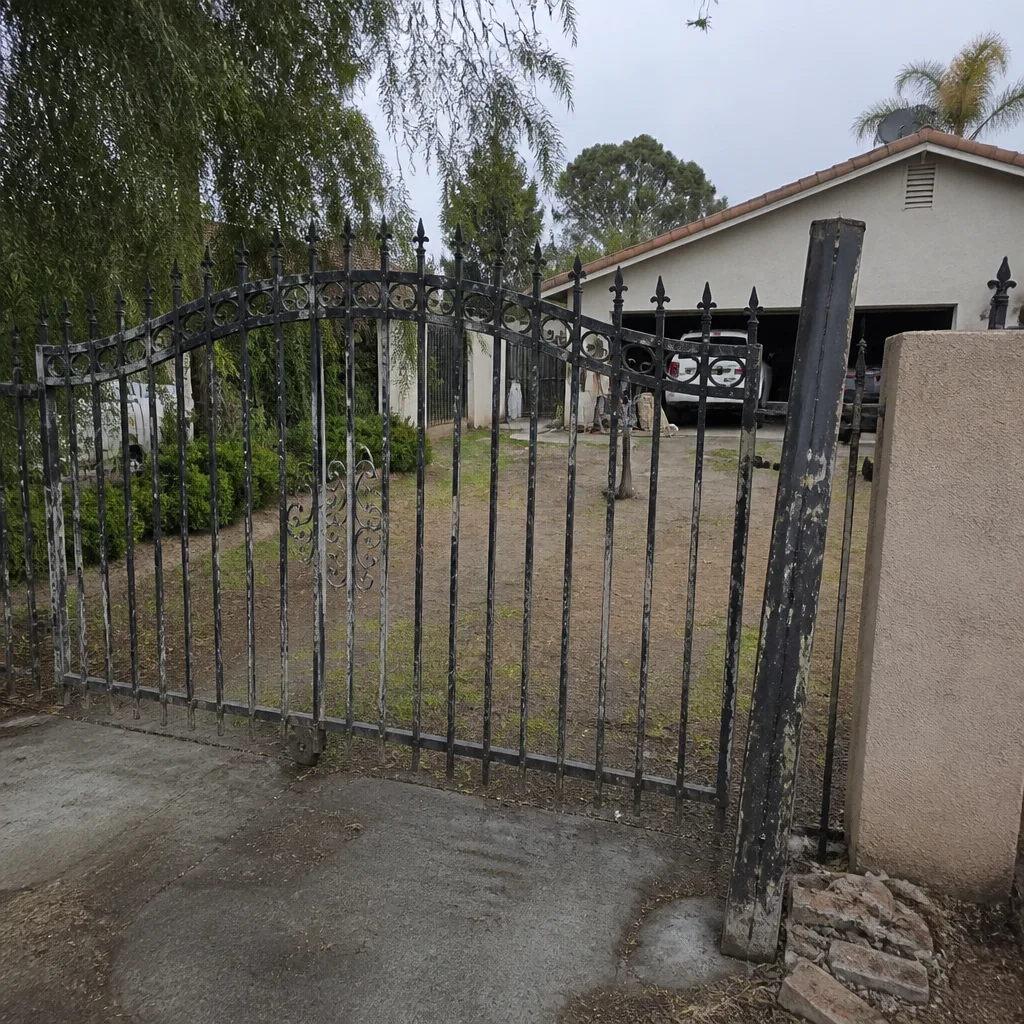
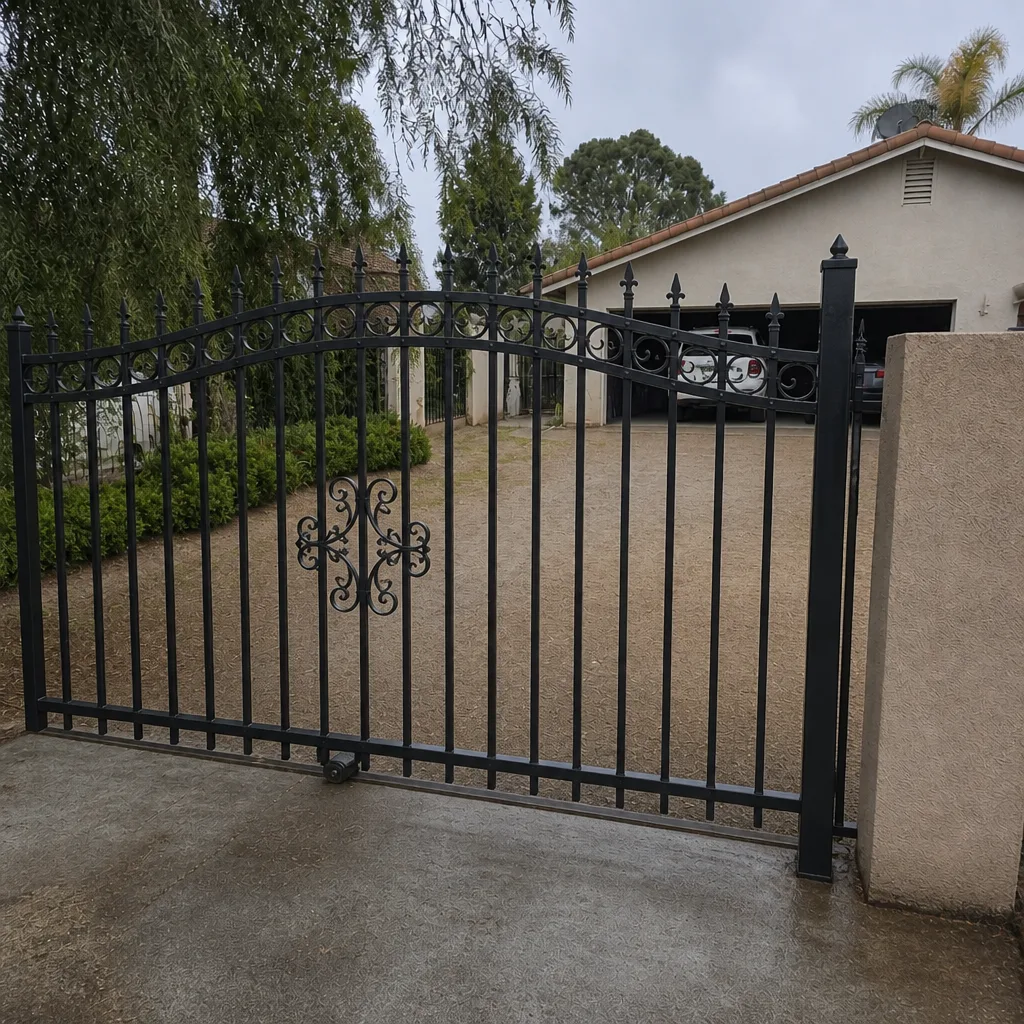
See the difference
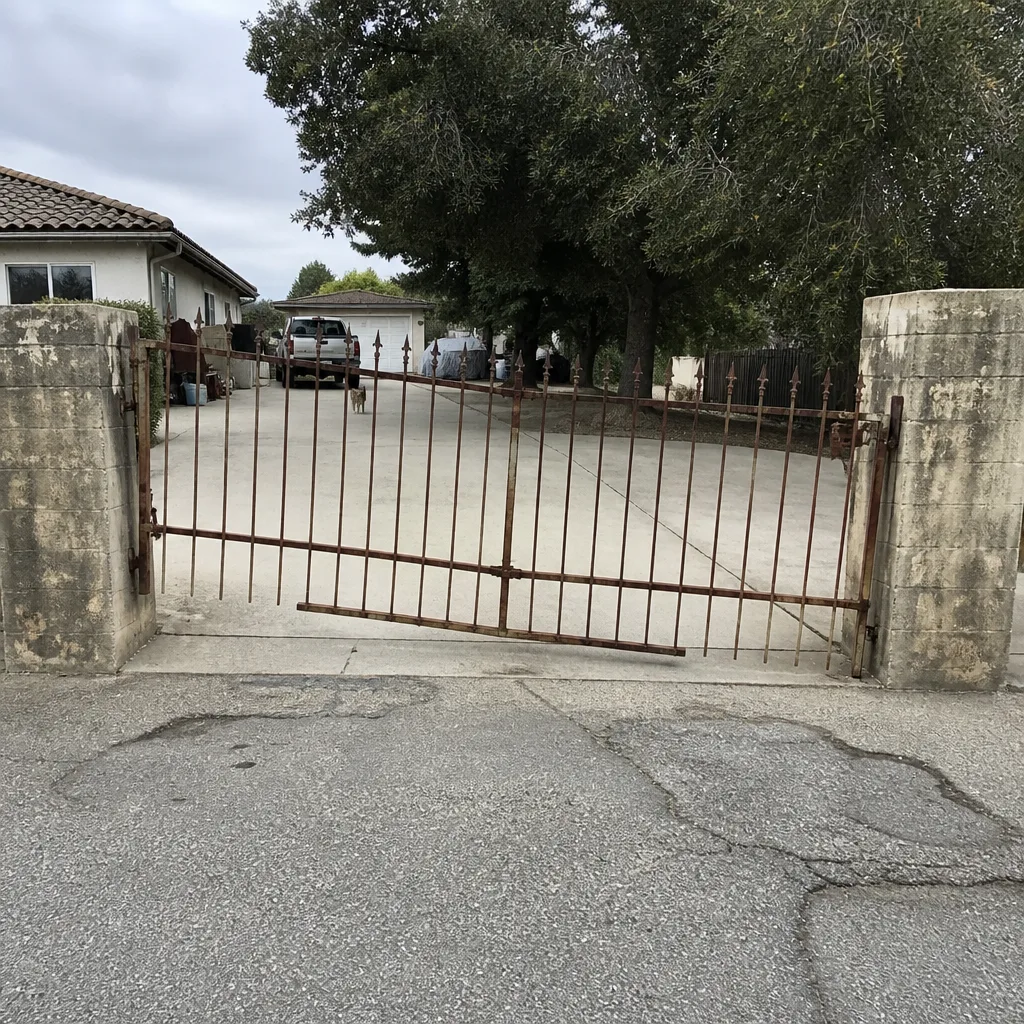 Before
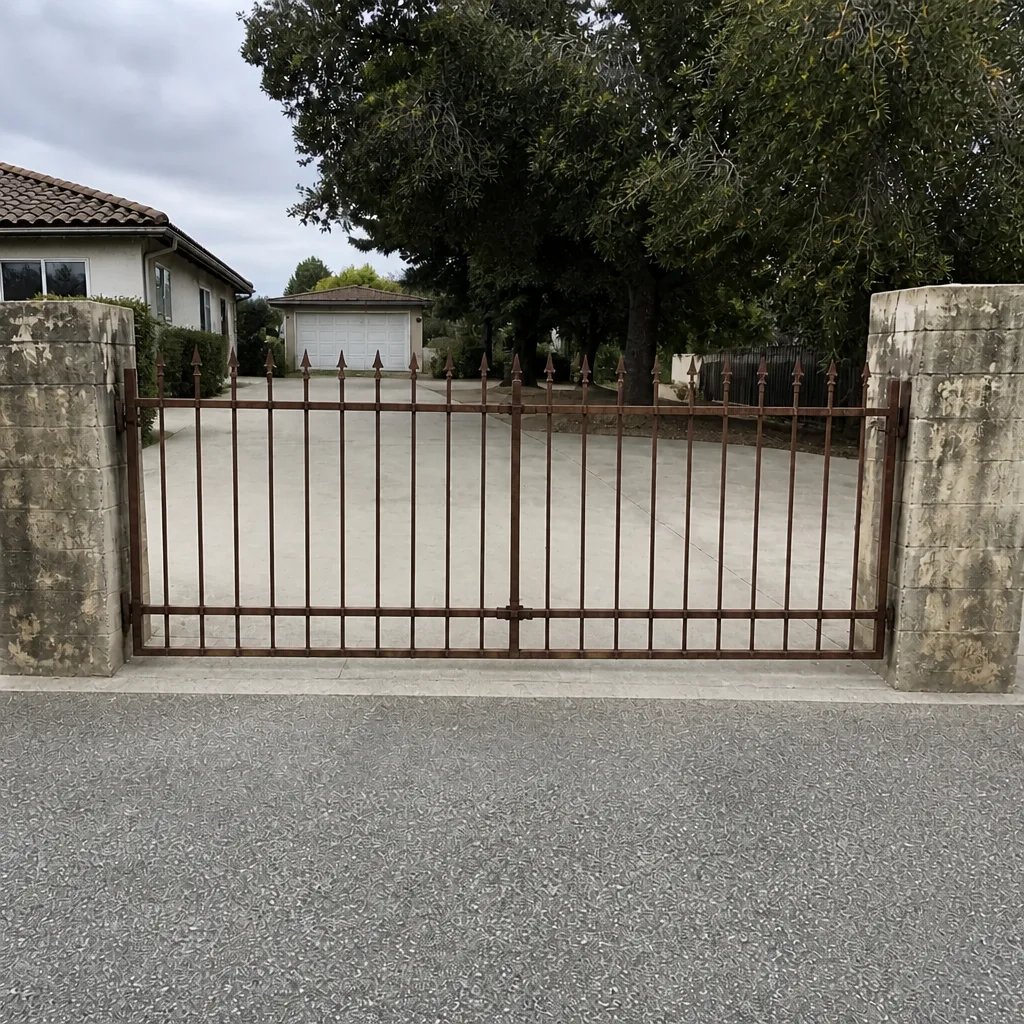 After
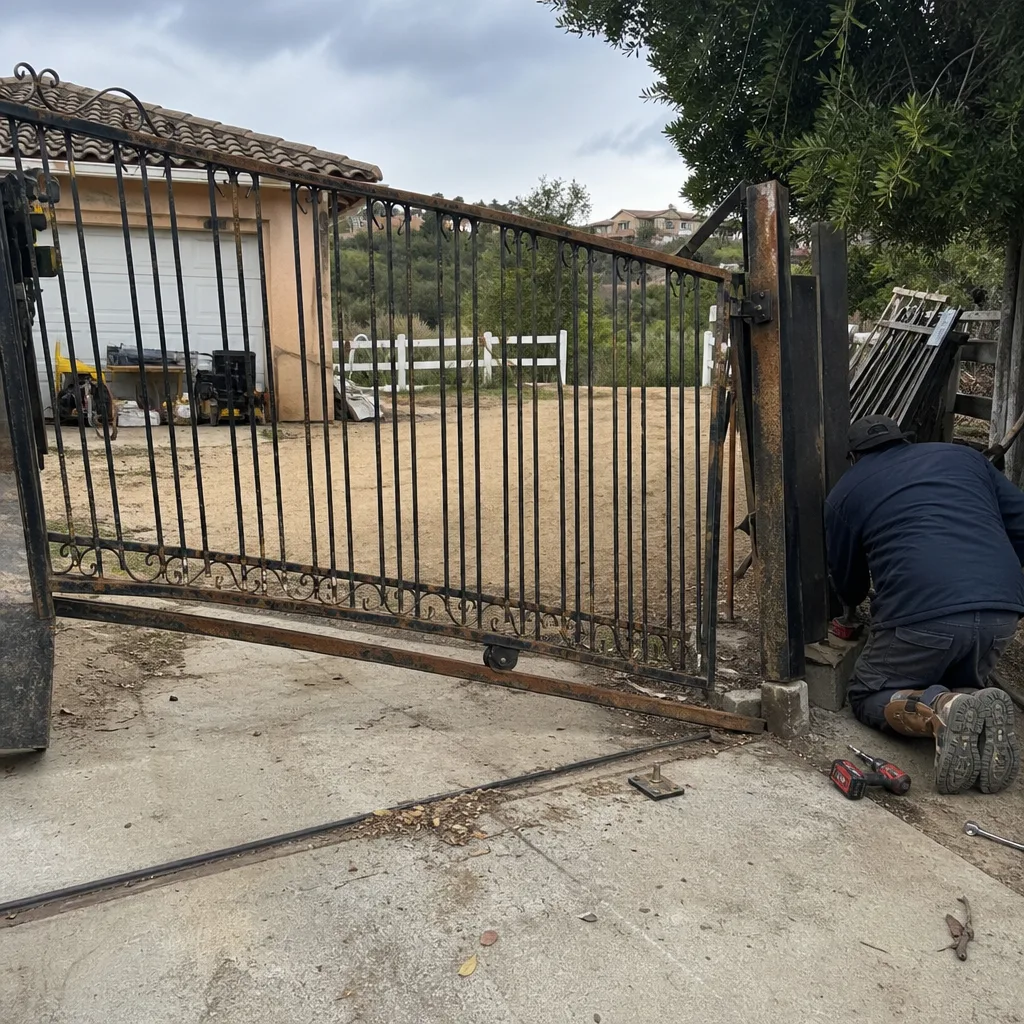 Before
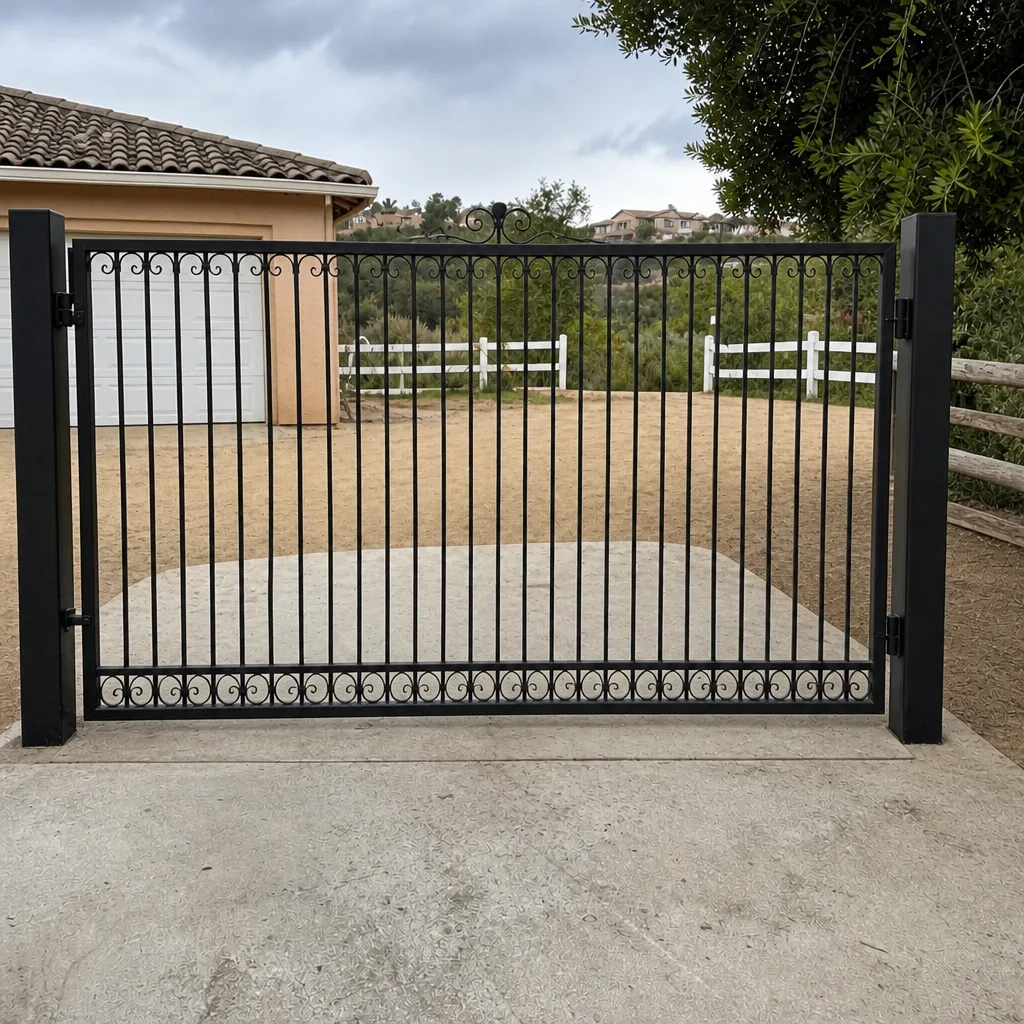 After
 Before
 After